

New Initiative Aims to Reduce Hospital Stays and Support Recovery at Home
A new home care program in Windsor is helping patients transition from hospital to home while easing strain on overcrowded healthcare facilities. The provincial government has allocated $2 million to Windsor Regional Hospital for the Hospital to Home initiative, which provides up to 16 weeks of post-discharge support.
Personalized Care for Vulnerable Patients
The program serves patients requiring at least two types of medical services after discharge, including nursing care, personal support, physical therapy, or nutritional guidance. SE Health, a healthcare provider organization, delivers these services directly to patients’ homes.
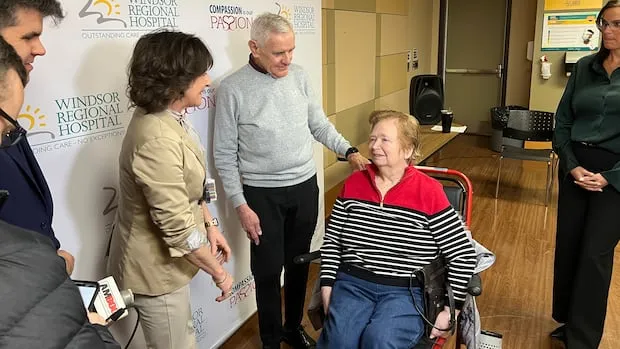
Chuck Davis, 82, described how the program supported his wife Doris after her hospitalization for multiple falls and low blood pressure. “It made me feel like we weren’t abandoned,” Davis stated during a recent announcement. “We transitioned seamlessly from hospital care to receiving quality attention at home.”
Addressing Systemic Healthcare Pressures
Since its October launch, 115 patients have participated in the program, with officials aiming to serve more than 230 by March’s end. Hospital president Karen Riddell emphasized the initiative’s dual purpose: “This ensures patients have proper care plans for safe discharges and smooth recoveries, while preventing readmissions and improving their healthcare journey.”
Provincial representative Andrew Dowie confirmed the Windsor funding is part of a broader $1.1 billion investment across Ontario. “These services ease capacity pressures in hospitals, ensuring beds remain available for those requiring urgent acute care,” he explained.
Broader Healthcare Context
The initiative launches amid ongoing debates about healthcare funding in Ontario. While officials highlight this program as a solution to hospital overcrowding and wait times, some labor organizations continue to raise concerns about systemic underfunding in the healthcare sector.
Though comprehensive impact data isn’t yet available, early participants like the Davises report significant benefits. “As her sole caregiver, this program has made a crucial difference for us,” Davis affirmed.
