

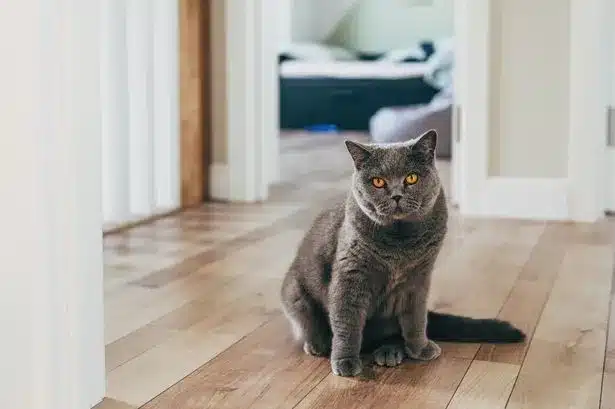
A cat owner experienced deep heartbreak after reviewing pet cam footage from the night she left her pet home alone. She had chosen to spend the evening at her mother’s house, an hour away, to avoid stressing her cat with travel. To monitor him remotely, she ensured the camera was active before departing.
Upon checking the recording the next day, she discovered her cat, named Chas, staring intently at the living room door throughout the night, waiting for her return. In a TikTok video, the owner explained: “I spent the night somewhere else… Chas spent the night waiting for me to come home. It broke my heart watching him on the camera stare at the door. I left my bedroom TV and light on—he usually hangs out there. I wasn’t expecting him to be in the living room at all.”
Heartbreaking Footage Details
The video shows Chas fixated on the door, hopeful for his owner’s arrival, but he waited until morning to reunite with her. This poignant scene prompted widespread reactions from viewers.
Viewers Share Similar Experiences
One commenter noted: “This makes me want to never leave my house again because why is my cat always at the door right as I’m walking in?” Another added: “I don’t understand owners who only have one pet, as if animals don’t get lonely or need companionship.” A third shared: “When we travel for a few days, we notice his voice is always coarse. Then we got cameras and realized he was walking around the house meowing, looking for us.” One suggested: “Did you learn your lesson? Now get him a companion so it doesn’t hurt so bad when you’re gone.”
Do Cats Get Lonely?
Cats often appear independent, yet they can react sensitively to routine changes, new environments, or relationship shifts. The Cat Protection organization explains: “For example, when a companion cat passes away, they may show signs of grief, including looking around for their lost friend, being more vocal, or appearing subdued. But this isn’t exactly loneliness as we define it in humans. It’s a reaction to the loss of a specific relationship, not a general longing for company.”
Behaviors like excessive meowing, destructive scratching, or hyperactivity are often mistaken for loneliness but typically signal boredom, stress, frustration, or medical issues, which require targeted solutions.
