

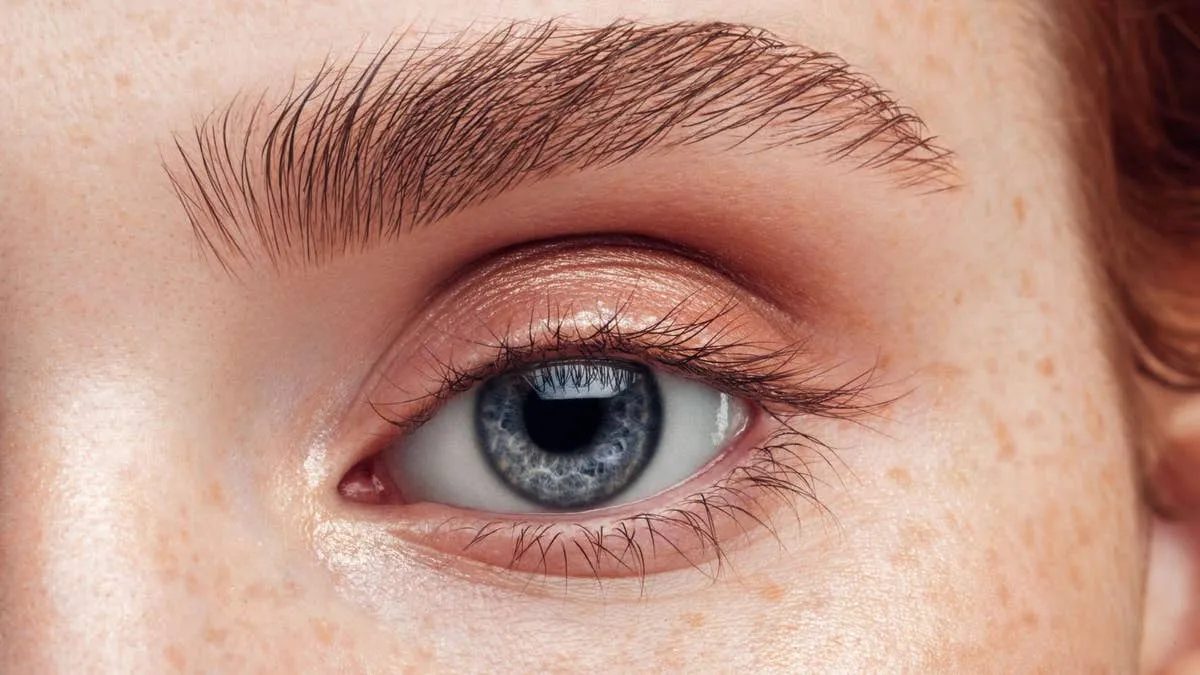
Considering brow lamination for that trendy brushed-up look? This semi-permanent treatment realigns and sets brow hairs, delivering volume and definition for a natural, groomed finish that endures weeks with proper care.
What Is Brow Lamination and How Does It Work?
Brow lamination smooths and grooms brow hairs to achieve a perfectly arched appearance. Almudena Bereciartua Martínez, beauty expert and director of the luxury lash salon Pestañas Premium in Madrid, describes it as a specialized process that straightens and tidies hairs using a solution to temporarily reform their structure. The hairs then set into place, maintaining the effect for 20 to 30 days.
Who Benefits Most from Brow Lamination?
This treatment suits individuals with sparse, unruly, or poorly defined brows seeking a set look without daily gel or makeup. Almudena notes it creates an optical illusion of fullness by brushing hairs over gaps, though it does not add new hair.
Brow Lamination vs. Microblading: Key Differences
Many opt for lamination over microblading due to its non-invasive, reversible nature. However, Almudena clarifies the treatments serve distinct purposes. Lamination alone struggles with extremely sparse brows lacking volume, while microblading builds definition, shape, and fullness from minimal hair. Combining them sets natural hairs while enhancing with pigment for a makeup-free, full brow.
“Microblading creates a perfect brow regardless of starting hair density, but lamination requires sufficient natural hairs for optimal results,” Almudena adds.
Combining Treatments: Hairstrokes or Shading?
Brow lamination pairs well with both hairstroke micropigmentation and shading. Mónica Aránguez, brow microblading and micropigmentation expert and founder of her aesthetic clinic in Spain, explains that hairstrokes implant pigment to mimic natural 3D brow growth for a hyper-realistic effect. Shading, meanwhile, delivers a soft, powdery finish ideal for added density and definition.
Best Order for Brow Treatments
Mónica recommends brow lamination first to align and lift hairs for a tidier look. Micropigmentation then implants semi-permanent pigment to enhance the shape. Performing micropigmentation prior risks clashing with later lamination, as reshaped hairs may conflict with the pigmented design.
“Lamination works with natural hair direction, ensuring harmony when pigment follows,” Mónica states. After healing, ongoing lamination remains optional. Consult a technician for safe timing between procedures and to align lamination with the tattooed shape, avoiding any masking of the pigment.
