

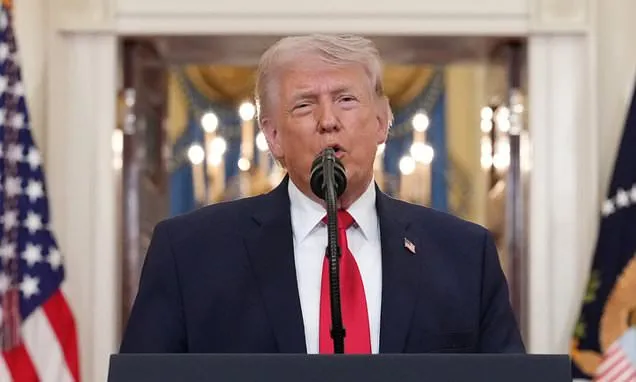
President Donald Trump’s recent address to the nation underscores the complex position in the ongoing conflict with Iran. He shifted between vows to devastate Iran militarily and assertions that U.S. forces have secured victory. Iran has sealed the Strait of Hormuz, disrupting a major portion of global oil shipments and sparking fears of an economic crisis surpassing the 1970s oil shocks across Europe, Asia, and beyond.
U.S. military operations have achieved significant gains, including strikes on 11,000 targets, elimination of key enemy leaders, and destruction of Iran’s navy. However, the regime in Tehran endures, with its forces continuing resistance. Observers note Trump’s pattern of major actions on weekends when markets are closed, such as the initial assault that eliminated Ayatollah Khamenei and the earlier capture of Venezuelan leader Nicolas Maduro. With the Easter holiday approaching, analysts anticipate potential decisive moves.
Trump campaigned on ending overseas conflicts, yet this engagement unfolded without prior allied coordination, echoing past U.S. challenges in Iraq and Afghanistan. Limited viable paths forward exist.
Declare Victory and Withdraw
A swift exit would halt immediate casualties, allowing Trump to proclaim success to supporters. The international community would then manage regional stability. However, this approach risks perceptions of defeat against a weaker adversary, emboldening leaders like Vladimir Putin and Xi Jinping. Iran would retain control of the Strait of Hormuz, potentially imposing tolls for passage and funding its operations. Terror groups such as Hezbollah and the Houthis would remain active threats, while Iran’s population faces ongoing repression.
Likelihood: 2/5
Full-Scale Invasion of Mainland Iran
An all-out ground operation could dismantle the regime, secure nuclear assets, and offset war expenses through resource control. Iran’s mountainous terrain, 83 million motivated defenders, and asymmetric capabilities like guerrilla tactics and drones pose immense risks. Current costs exceed $35 billion, with 15 U.S. fatalities and hundreds wounded. A broader campaign could surpass $1 trillion.
Likelihood: 1/5
Ceasefire and Negotiations
A truce and diplomatic deal offers the strongest resolution, enabling Trump to frame it as a win. Yet, deep divides persist. Iran leverages oil supply dominance and strikes on Gulf allies, demanding cessation of attacks on officials, reparations, and Strait sovereignty—conditions unlikely to gain U.S. acceptance without appearing as capitulation.
Likelihood: 1/5
Seize Control of the Strait of Hormuz
Ships face threats from coastal missiles and drones, necessitating a coastal foothold. Holding 100 miles of shoreline requires thousands of troops, with inland advances risking heavy losses. U.S. war games consistently highlight this chokepoint. Sources indicate Defense Secretary Pete Hegseth and Joint Chiefs Chairman General Dan Caine downplayed blockade risks.
Likelihood: 4/5
Blockade the Persian Gulf
Naval and air forces could halt Iran’s oil exports, straining its economy. Oil prices might exceed $200 per barrel, devastating Asia, Europe, and global trade, including U.S. fertilizer production. Gulf states would hesitate to resume shipments amid dangers.
Likelihood: 1/5
Assault Kharg Island Oil Hub
Capturing this key export facility may involve paratroopers from the 82nd Airborne Division, now deployed nearby. Iranian defenders hold terrain advantages, likely inflicting significant U.S. casualties before yielding. Resupply by air limits defenses, risking prolonged exposure or escalation to mainland invasion.
Likelihood: 3/5
Trump faces pressure to conclude the conflict without concessions that undermine U.S. credibility, yet escalation carries profound risks.
Sir Richard Shirreff, former Deputy Supreme Allied Commander Europe, NATO.
