

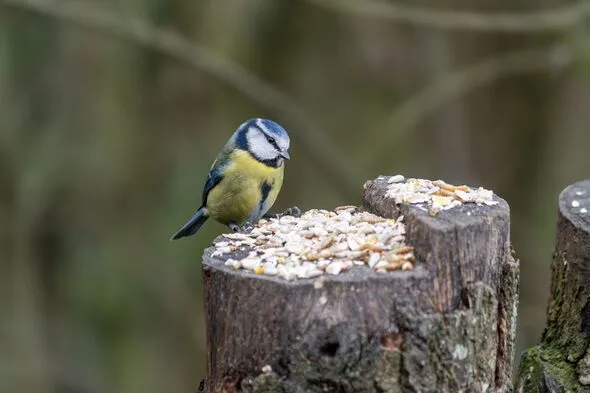
Gardeners can safeguard birds visiting their outdoor spaces by tackling three straightforward tasks this April. Research highlights a sharp drop in species like greenfinches, down more than 65% over the past three decades, linked to trichomonosis—a disease that spreads rapidly at feeding stations.
Clean Bird Baths and Feeders Weekly
Bird baths pose disease risks alongside feeders. Empty and scrub them thoroughly each week using a scourer and mild detergent, rinsing away all suds before refilling. Apply the same routine to feeders in use. Good hygiene remains vital to curb disease transmission among bird populations.
Adopt Seasonal Feeding Practices
Time bird feeding to match natural food availability and minimize disease risks. From May 1 to October 31, skip seeds and peanuts; opt for mealworms, fatballs, or suet instead. Abundant natural seeds and insects reduce the need for supplemented food during this period. Resume a full range of foods, including seeds and peanuts, from November through April.
Plant Wildflowers for Natural Support
Boost garden ecosystems by sowing wildflower seeds, which thrive with minimal care beyond occasional watering. These native blooms yield seeds for birds and draw pollinators like bees and butterflies. Sunflowers, left to seed, offer another reliable food source.
Core Recommendations for Safe Bird Care
The Royal Society for the Protection of Birds (RSPB) outlines essential practices for healthy garden bird support:
- Clean feeders and baths weekly; sweep up spilled food and droppings.
- Relocate feeders weekly to prevent debris buildup; space multiple feeders apart.
- Avoid placing feeders under trees to limit droppings contamination.
- Steer clear of flat surfaces like bird tables or tray feeders, where diseases spread easily.
- Refresh bath water daily using tap water, or skip it if daily changes prove impossible.
These steps not only shield birds but also foster thriving gardens for insects and wildlife.
