

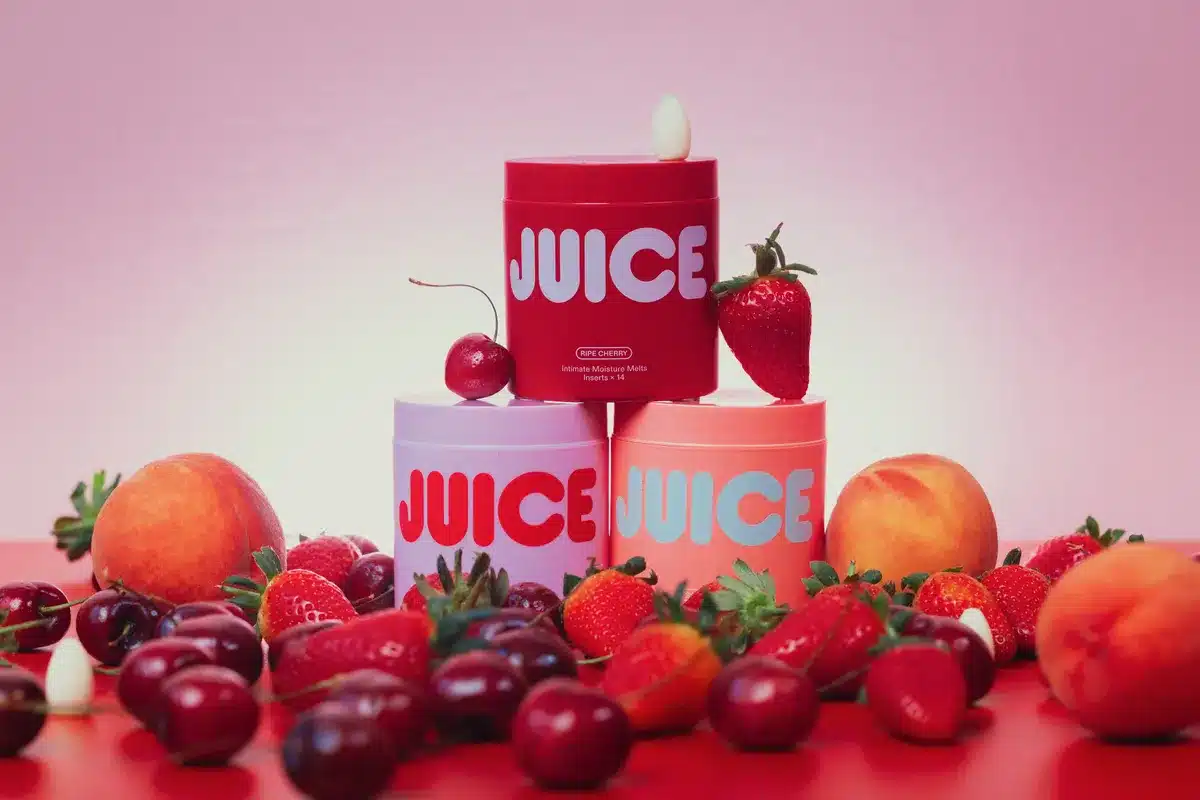
Online videos feature a 1950s-style housewife posing next to tubs of ‘self-care melts’ from intimate care brand Juice. Priced at £45 each, these suppository-like products insert like tampons and dissolve inside the vagina, aiming to infuse genitals with strawberry, cherry, or peach scents.
Juice promotes the idea that fruit aromas beat natural odors, a message echoed in social media clips. This approach joins a wave of intimate products, including Sure’s 2025 ‘whole body deo’ for 72-hour penile and vaginal freshness, and Kourtney Kardashian’s 2023 Lemme Purr gummies for enhanced vaginal taste.
Booming Intimate Care Market
The UK intimate care sector thrives, projected to expand by 5.39% through 2030. Research from Unilever reveals over 70% of consumers worry about body odor, fueling demand.
Experts: Vaginas Are Self-Cleaning
Dr. Aziza Sesay, a women’s health specialist, emphasizes that vaginas naturally smell like vaginas, not fruits or flowers. “These products exploit stigma and embarrassment around vulvovaginal health,” she states.
Intimate health expert Dr. Shirin Lakhani notes a healthy vulva carries a natural scent that varies with the menstrual cycle, hormones, exercise, and diet. “That’s biology, not a problem needing fixes,” she explains. “The vagina self-cleans and balances its bacteria; fragranced items can raise risks of issues.”
Marketing Fuels Insecurity
Dr. Lakhani observes these products prey on discomfort discussing intimate health, fostering isolation. Marketing phrases like “feel fresh” or “boost confidence” tie self-assurance to desirability. Juice’s 1950s housewife imagery evokes eras demanding constant polish from women.
“Modern intimate care frames itself as empowerment, but confidence links to pleasing others,” Dr. Lakhani adds.
Potential Health Dangers
Women’s health advocate Valentina Milanova, founder of gynaecological care brand Daye, highlights risks from ingredients like coconut oil, which weakens condoms and heightens pregnancy or STI chances. Other components—cacao butter, jojoba, flaxseed, almond and coconut oils, vanilla, stevia, vitamin E, and peach extract—may disrupt the vaginal microbiome, inviting irritation, infections, bacterial vaginosis (BV), candida, or UTIs.
Dr. Lakhani advises avoiding feminine hygiene products entirely. Instead, prioritize hydration, nutrition, and GP visits for perimenopause, menopause, discomfort, itching, or discharge changes.
Cultural Push for Perfection
“Our optimization-obsessed culture now targets vulvas,” Dr. Lakhani says. “Normalcy framed as flawed creates demand for unneeded solutions.”
