

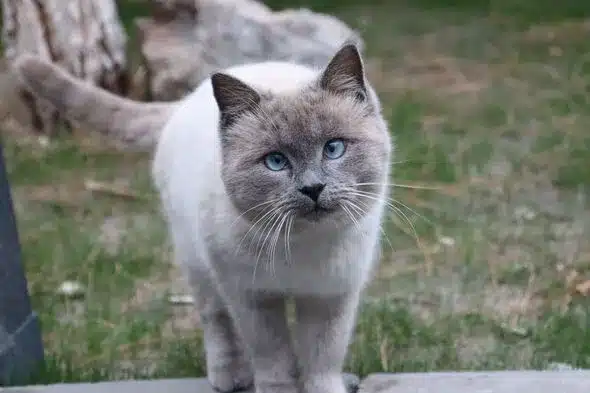
Choosing a cat breed involves careful consideration of lifestyle fit and long-term health. A veterinarian with extensive experience treating feline patients has identified five breeds he would avoid as pets due to prevalent health challenges.
Sphynx Cat
The Sphynx, recognized for its hairless appearance, lacks essential features like functional whiskers, which cats rely on for navigation and communication. Without fur, these cats struggle to regulate body temperature. They also face elevated risks of heart disease and reduced lifespans.
Munchkin Cat
Munchkin cats feature notably short legs, which impair mobility and lead to early-onset arthritis. This structural limitation creates unnecessary hardships for the animals.
Scottish Fold
Scottish Folds gain popularity from their distinctive folded ears, often celebrated by celebrities. However, every individual in this breed carries a genetic mutation that causes painful arthritis in young cats. Rising demand raises concerns, as many owners overlook these inherent risks.
Savannah Cat
As a hybrid of domestic cats and wild servals, Savannah cats grow larger and stronger, retaining strong wild instincts. They prove challenging to manage in typical home settings and can intimidate even experienced handlers.
Persian Cat
Particularly the flat-faced Persians suffer from breathing difficulties, chronic eye issues, recurrent infections, and grooming challenges stemming from their extreme facial structure.
Prioritizing Pet Welfare
The veterinarian emphasizes that health and quality of life must guide pet selection. “If you want a happy, healthy companion, buying a kitten that looks like this is not a good choice,” he states. The RSPCA echoes this view: “We shouldn’t be breeding animals for looks over welfare. They deserve better.”
Many agree, with one expert praising domestic shorthairs as ideal pets. Others note bans on certain breeds like Sphynx and Scottish Fold in regions such as the Netherlands due to welfare concerns.
