

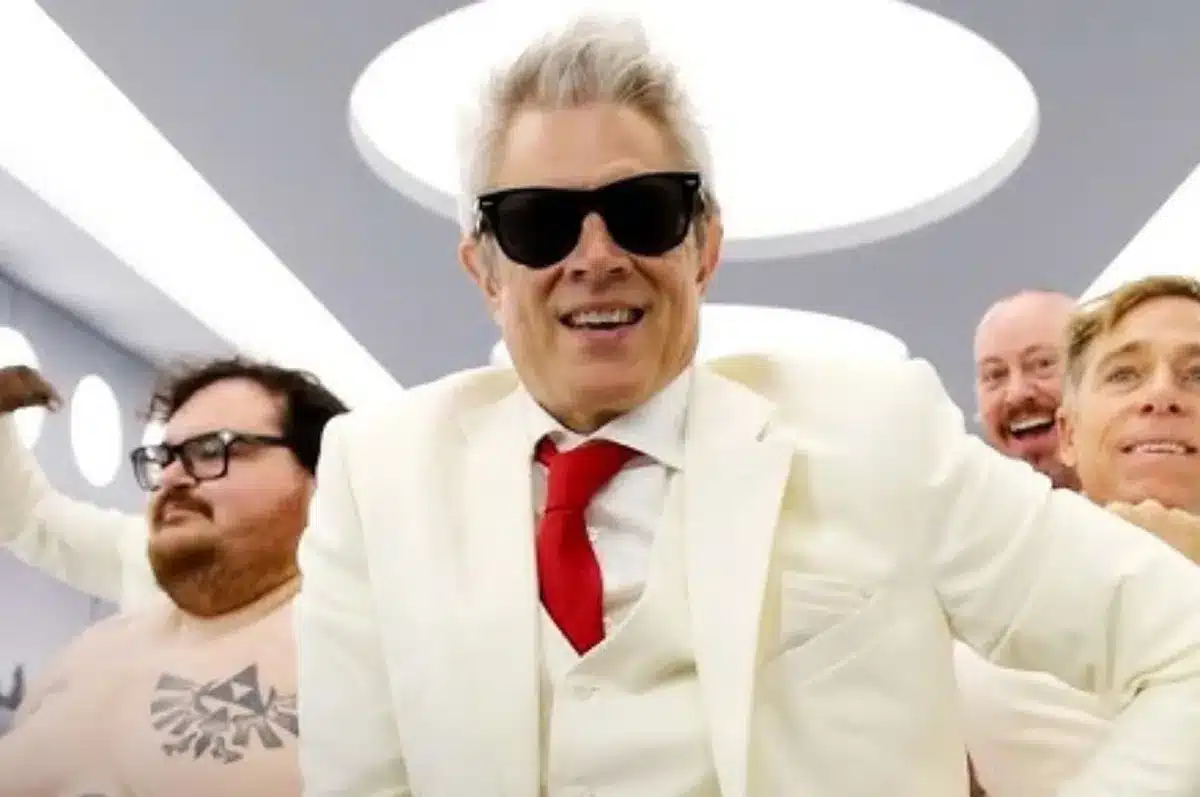
During a recent conversation at the UK premiere of the latest Jackass installment, Johnny Knoxville shared his profound emotional response to participating in the West Hollywood Pride Parade.
A Life-Altering Experience
Knoxville described the experience as a significant highlight of his life, expressing a long-held desire to have a float in the parade. He revealed that he was moved to tears on two separate occasions while traveling along the parade route. “Just the support we’ve received from the LGBTQ+ community over the years, it means a lot to be there,” he stated.
Masculinity and Femininity in Jackass
In a discussion about the show’s cultural impact, a fellow observer noted a personal connection, growing up torn between the femininity often seen in pop culture icons and the overt masculinity of shows like Jackass. Knoxville responded directly to this sentiment, asserting that the Jackass crew embodies more femininity than masculinity. This perspective offers a nuanced view of the group’s appeal, suggesting a blend of elements that resonates with a diverse audience.
The Enduring Legacy of Jackass
The Jackass franchise, defined by its slapstick stunts and often raucous pranks, became a cultural phenomenon of the early 2000s. Memorable stunts like the Toro Totter and the Butt X-Ray cemented the crew’s reputation for outrageous entertainment. The latest film, Jackass: Best and Last, reunites the original members, including Knoxville, Steve-O, Chris Pontius, Wee Man, Preston Lacy, Dave England, and Danger Ehren, alongside newer cast members, continuing the tradition of daring and unpredictable stunts.
