

A groundbreaking $2.3 million program is empowering the First Nations community of Yarrabah in Far North Queensland to take control of its cancer care. This initiative, tailored to the specific needs of the community located about an hour from Cairns, aims to provide culturally safe and accessible cancer support, detection, and prevention services. Local health workers involved in the program express optimism that it will significantly improve health outcomes for residents facing a cancer diagnosis.
Addressing Barriers to Cancer Care
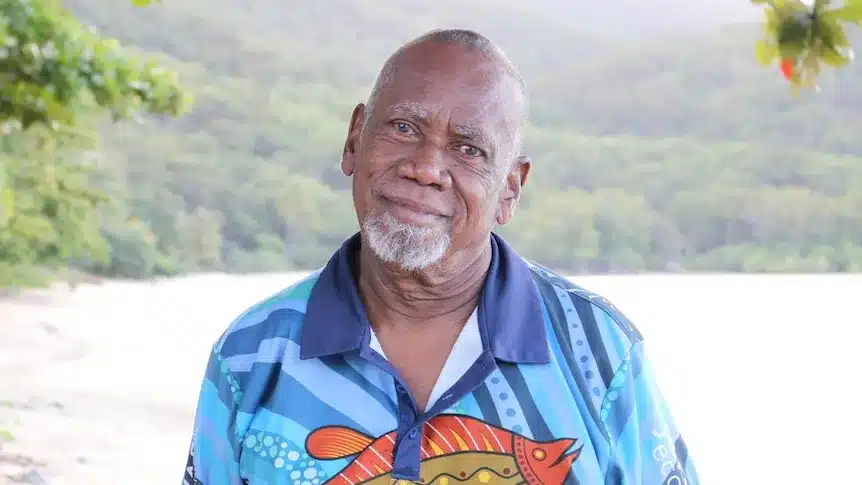
For many Yarrabah residents, receiving cancer treatment has historically meant prolonged periods away from their homes and support networks. Colin Costello, a cancer survivor from Yarrabah, recounted spending seven months away from his community for treatment in 2018. While his community remained his anchor, the necessity of relocating for care highlighted existing gaps in local support. The new program, launched in April, seeks to bridge these gaps by bringing essential services directly into the community, making the journey less arduous and more manageable for patients and their families.
Culturally Safe Support on the Ground
At the heart of this initiative are local cancer care support officers like Chanten Lefoe. After living away for 15 years, Lefoe has returned to Yarrabah, viewing his role as a way to give back to the community that shaped him. His responsibilities are diverse, encompassing driving patients to appointments, demystifying complex medical terminology for patients and their families, and offering emotional and practical support throughout the cancer journey. This hands-on approach is crucial, especially for individuals who may have had limited educational opportunities or a reluctance to travel.
“Some of my people, they didn’t grow up in a great education, and they don’t like to travel that much,” Lefoe explained. “So, they can just do everything from here, and we can… be a delegated voice for them.” This localized support system ensures that residents can access necessary care without the added stress of extensive travel, while also ensuring their needs and preferences are communicated effectively within the healthcare system.
The program also focuses on making essential trips to Cairns more efficient. Support officers help coordinate appointments with other necessary errands, such as grocery shopping. Furthermore, they recognize the importance of patient well-being beyond medical treatment, allowing for brief periods of relaxation, like a visit to the beach, to combat the boredom and emotional toll that can accompany a cancer diagnosis.
Community-Led Health Services
The $2.3 million program is being delivered by the Gurriny Yealamucka Health Services Aboriginal Corporation (GYHSAC), a community-controlled health organization. Funding for the initiative comes from the National Aboriginal Community Controlled Health Organisation, underscoring a growing recognition of the importance of Indigenous-led health solutions.
Jason King, head of clinical services at GYHSAC, emphasized the transformative potential of this community-driven approach. “For the people of Yarrabah, having an opportunity to have… not just a say but to carry out the care of their own people is incredibly powerful,” King stated. He believes the program will fundamentally alter how Yarrabah residents experience and manage cancer within their community.
Health Promotion and Prevention
Beyond direct patient support, the program incorporates a vital health promotion component. This involves delivering culturally safe education aimed at cancer prevention. King acknowledged the harsh reality faced by some residents: “It’s a reality for people who live here that you get sick, you go to the hospital, and sometimes, you don’t come back.” This stark reality is often exacerbated by a deep-seated fear of the mainstream health system among many Yarrabah residents, a fear that can lead to delayed diagnoses and poorer prognoses.
King highlighted that cultural safety is not merely an add-on but a fundamental aspect of addressing health disparities. “We talk about demographics and we talk about epidemiology, but cultural safety is a core layer of that,” he said. “A different experience of history, of government programs and racism, for example, leads directly to different outcomes in health.”
Addressing Socio-Economic Disadvantage
Yarrabah faces significant socio-economic challenges. According to 2021 Census data from the Australian Bureau of Statistics, it is ranked as the fifth most socio-economically disadvantaged local government area in the nation. This disadvantage is a significant driver of health outcomes, with King noting that it contributes to approximately 80 percent of patient presentations at the local clinic. The concentration of the ten most disadvantaged council areas in regional and remote Queensland and the Northern Territory, predominantly with First Nations populations, further underscores the systemic nature of these challenges.
The success of community-led initiatives like the Yarrabah cancer care program is therefore paramount. As governments increasingly look towards local solutions to complex health issues, this program serves as a powerful example of how empowering communities can lead to more effective and equitable healthcare delivery. Colin Costello, now a cancer survivor, expressed hope that the new program will make a profound difference for others in his community, stating, “There’s a lot of people here who are good at making decisions. Yarrabah knows what they need for health care.”
