

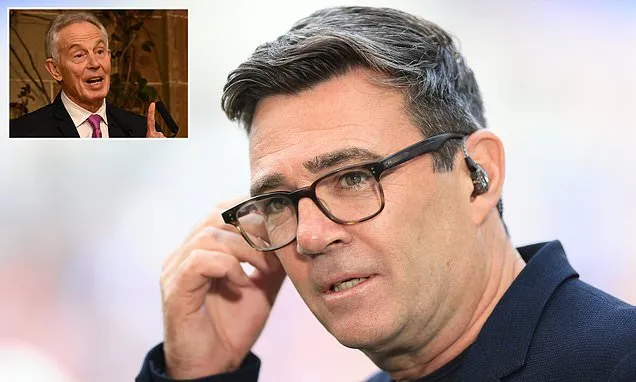
Andy Burnham is poised to become the next Labour leader and Prime Minister, but has received a stark warning from former Prime Minister Tony Blair about the realities of the role. Blair cautioned Burnham that he should not expect universal affection, stating, “I think you may think you’re going to be loved, but you’re not going to be.” This advice comes as Burnham secured the necessary nominations from Members of Parliament to lead the party without a formal contest, a move that has drawn both support and scrutiny.
Securing Leadership Without a Contest
Burnham officially surpassed the 323 MP nominations required to secure the leadership, reaching this threshold after gaining an additional 26 endorsements recently. This means no other potential candidate could gather the 81 nominations needed to challenge him. He is set to formally assume the role of Labour leader on Friday and Prime Minister on Monday. His ascent has been characterized by a rapid accumulation of support from within the Parliamentary Labour Party (PLP), leading some to describe his current phase as a “honeymoon period.”
Hustings and Policy Vagueness
Recent private sessions with the PLP, often referred to as hustings, have seen Burnham present a broad vision for the party. He has spoken of “change” and the importance of Labour being a “broad church,” emphasizing a desire to ensure “everyone is valued, seen and listened to.” However, reports suggest that the policy specifics, particularly concerning taxation and spending, were not deeply explored during these sessions. Some attending MPs noted that questions appeared to be pre-arranged, primarily coming from those who had already declared their support for Burnham, leading to perceptions of an easy ride.
Tony Blair’s Counsel and Concerns
Tony Blair, Labour’s most electorally successful leader, offered his advice during a recent summer reception. Beyond the warning about public perception, Blair stressed the critical importance of maintaining a strong relationship with the United States, regardless of who occupies the presidency. He also advised caution regarding ambitious net-zero policies, a notable divergence from the platform advocated by figures like Ed Miliband.
Blair, who previously appointed Burnham to a ministerial role, expressed his support for his successor: “I wish Andy well. I hope he succeeds. It’s important for the country he succeeds.” He also acknowledged Burnham’s personal qualities, describing him as “a genuinely people person” with a broad affection for humanity.
Potential Policy Directions and Criticisms
Despite the smooth path to leadership, concerns linger about the clarity of Burnham’s policy agenda. He is reportedly planning a “mega-Budget” in the autumn, intended to combine significant fiscal measures with a comprehensive spending review. Whispers suggest a potential focus on increasing taxes for wealthier individuals, with proposals such as a land tax, council tax revaluation, and an enhanced mansion tax being discussed to fund investments in council housing and public utilities.
However, Burnham has largely committed to adhering to the existing Labour manifesto and expanding devolution, without detailing specific tax or spending initiatives. Critics point out that his mandate is primarily derived from parliamentary support, with limited direct public endorsement. His recent by-election victory in Makerfield, while significant for that constituency, represented a small fraction of the national electorate, raising questions about his broader public backing.
The Path Ahead for the New Leader
Burnham’s imminent leadership marks a significant moment for the Labour Party. The challenge now lies in translating his parliamentary support into a clear and compelling vision that resonates with the wider public. The coming months will be crucial as he navigates the complexities of governing, manages expectations, and outlines the concrete policies that will define his premiership. The advice from seasoned figures like Tony Blair underscores the demanding nature of the role, highlighting the need for both strategic foresight and a realistic understanding of public sentiment.
As ministers and MPs begin to jockey for positions within the new administration, the focus will inevitably shift to the substance of Burnham’s plans. The potential for significant fiscal and policy shifts, particularly in taxation and public spending, will be closely watched. The success of his tenure may well depend on his ability to articulate these plans effectively and build a broad consensus, moving beyond the parliamentary corridors to connect with the concerns and aspirations of the entire nation.
