

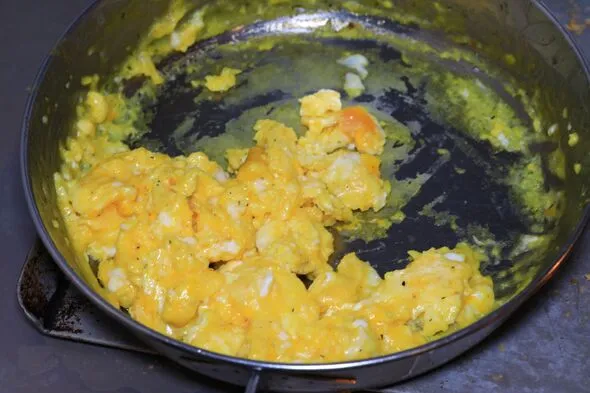
For those who enjoy their mornings with a side of scrambled eggs, a popular social media trend suggests a simple yet surprising ingredient swap can elevate the dish to new levels of fluffiness. The common practice of adding milk to scrambled eggs is being challenged by a method that uses water instead, with proponents claiming it yields a significantly lighter and more tender result. This culinary tip, shared widely online, has sparked a debate among home cooks and even drawn commentary from culinary experts.
The Viral Scrambled Egg Hack
The revelation gained traction after a home cook, identified as Kirsty, shared her experience on TikTok. She explained that she adopted the water-for-milk technique on the advice of a friend, admitting initial skepticism. “I had never in my life heard of that and freaked out,” Kirsty recounted. However, upon trying it, she was reportedly astonished by the outcome. “Well, they [eggs] turned out to be the fluffiest, most delicious scrambled eggs I have ever had in my life and I’ll probably never do them another way.” She emphasized the visual appeal, noting how the eggs appeared softer and fluffier when she gently moved them in the pan with her spatula.
Kirsty’s enthusiasm resonated with many viewers, and the comments section of her post quickly filled with similar anecdotes. One user shared, “I’ve always added a lil bit of water.” Another chimed in with a reference to a well-known chef, stating, “Gordan Ramsay recommends water in the eggs vs milk. Ever since he said that – always water for me.” A third commenter attributed the method to family tradition, explaining, “That’s how I do mine, and it’s because the water evaporates or something. My great-grandma showed me.” The sentiment was echoed by a fourth user who declared, “My eggs were so good. I will never make eggs without water again, so fluffy and so good.” Kirsty herself expressed her continued satisfaction, noting, “I haven’t stopped doing it since the first time I tried it! Never in my life would I have thought to do that if my friend didn’t show me!”
Expert Insights on Water in Scrambled Eggs
To investigate the validity of this popular hack, culinary resources consulted with professional chefs. The consensus among those interviewed was that adding water to scrambled eggs is indeed a beneficial technique for achieving a specific texture. Tim Bechtle, a chef and culinary training manager at Broken Yolk Cafe, elaborated on the science behind it. “Adding water to eggs steams the liquid, which slows the coagulation of the proteins, resulting in a looser protein network and fluffier eggs,” he explained. “Essentially, it adds air pockets to the scrambled eggs as you cook them.”
Bechtle further highlighted another advantage of using water: its role in preventing overcooking. “Cooking eggs with water also helps to prevent over or undercooking as it widens the window of the perfect cooking time so your texture is not compromised as easily,” he stated. This means the eggs are more forgiving during the cooking process, making it easier to achieve the desired fluffy consistency without them becoming rubbery or dry.
Water vs. Other Liquids for Scrambled Eggs
Nelson Serrano-Bahri, chef and director of innovation at The American Egg Board, offered a nuanced perspective, emphasizing that the choice of liquid depends on the desired outcome. “It really comes down to the kind of scrambled eggs you’re after,” Serrano-Bahri commented. “If you want them light and fluffy, water works very well.” This aligns with the experiences shared by home cooks and the scientific explanation provided by Bechtle. The evaporation of water during cooking creates steam, which gently cooks the eggs and incorporates air, leading to that coveted light texture.
However, Serrano-Bahri also pointed out that other ingredients can be used to achieve different results. “If you want them richer and creamier, ingredients like butter, sour cream, crème fraîche, or cheese can help take them in that direction,” he advised. Milk, while often used for its fat content which can contribute to a richer texture, can sometimes lead to denser, less fluffy eggs compared to water, especially if too much is added. The proteins in milk can also cook at a slightly different rate than eggs alone, potentially affecting the final texture.
The Science of Fluffy Eggs
The key to understanding why water works lies in the properties of protein coagulation and steam. When eggs are heated, the proteins within them begin to denature and link together, forming a solid network. This process is called coagulation. Adding a liquid like water introduces moisture that turns into steam as it heats up. This steam gently cooks the egg proteins, allowing them to expand and creating small air pockets. The steam also helps to keep the proteins from tightening up too quickly, which is what can lead to tough, rubbery eggs.
Milk, on the other hand, contains fats and sugars in addition to water. While these can add richness and a slightly different flavor profile, the fat can sometimes coat the proteins, inhibiting the formation of the airy structure that water helps to create. The sugars can also contribute to browning, which may not be desirable for all scrambled egg preparations. Therefore, for the specific goal of achieving maximum fluffiness, water appears to be the superior choice due to its ability to maximize steam production without adding interfering elements like fat or excessive sugar.
Tips for Perfect Water-Scrambled Eggs
To replicate the fluffy results seen online, home cooks can follow a few simple guidelines:
- Use Cold Water: Start with cold water, typically about one tablespoon per egg. This helps to temper the eggs slightly before cooking.
- Whisk Thoroughly: Whisk the eggs and water together vigorously until the mixture is uniform in color and slightly frothy. This incorporates air from the beginning.
- Gentle Heat: Cook the eggs over medium-low heat. High heat can cause the proteins to seize up too quickly, resulting in a less fluffy texture.
- Constant Movement: Stir the eggs gently and continuously with a spatula, scraping the bottom and sides of the pan. This ensures even cooking and helps to create soft curds.
- Don’t Overcook: Remove the eggs from the heat just before they reach your desired doneness, as they will continue to cook from residual heat. They should still look slightly wet.
Conclusion: A Simple Swap for Better Scrambled Eggs
The trend of using water instead of milk in scrambled eggs is more than just a fleeting internet fad; it’s a technique supported by culinary principles and expert opinion. By introducing steam during the cooking process, water helps to create a lighter, fluffier, and more tender scrambled egg. While milk and other dairy products can offer richness and creaminess, water provides a straightforward path to achieving that desired airy texture. So, the next time you’re reaching for the milk carton, consider a tablespoon of water for a surprisingly fluffy breakfast upgrade.
