

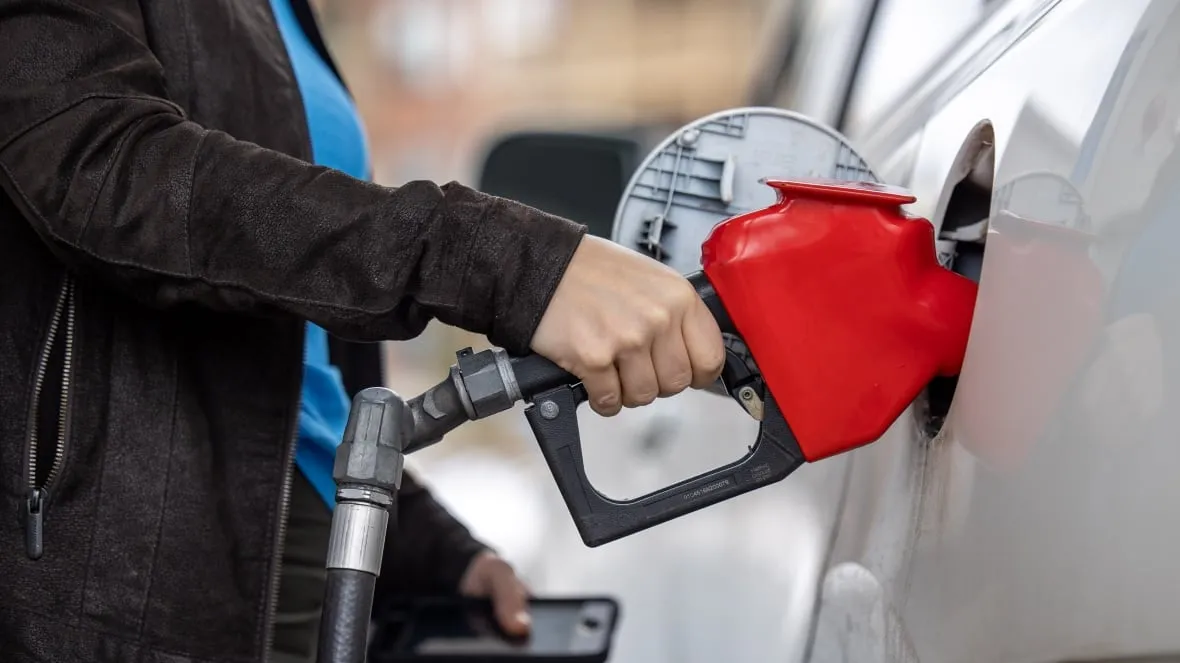
Drivers on Newfoundland’s Avalon Peninsula are now paying over $2 per litre for gasoline, as prices have reached a new high for the summer. This marks the fifth consecutive increase, with the latest adjustment seeing a jump of 2.6 cents per litre, bringing the maximum retail price to $2.014 per litre as of Friday.
Avalon Gas Prices Exceed $2 Per Litre
The Public Utilities Board (PUB), responsible for setting regulated fuel prices in Newfoundland and Labrador, announced the latest price adjustment, pushing the cost of gasoline past the significant $2 per litre threshold on the Avalon Peninsula. This latest hike means drivers are facing the highest prices seen since late May.
The PUB’s decision reflects the ongoing volatility in global oil markets, which has led to frequent price changes. The board has been providing daily updates to fuel prices to keep pace with these fluctuations. This recent increase is part of a trend, with gasoline prices climbing in each of the last five adjustment periods.
Provincial Price Variations
While the Avalon Peninsula now sees prices exceeding $2 per litre, other regions across the province are experiencing different, though still elevated, price points:
- Newfoundland: Maximum gasoline prices range from $2.02 to $2.17 per litre outside the Avalon.
- Labrador: Gasoline prices vary more widely, with costs between $1.89 and $2.14 per litre.
Other Fuel Prices See Declines
In contrast to the rising cost of gasoline, other fuel types experienced slight decreases in price following Friday’s PUB announcement. This mixed movement in fuel costs highlights the complex factors influencing different petroleum products.
Diesel and Furnace Oil Reductions
The price of diesel fuel saw a reduction of 3.2 cents per litre across Newfoundland. In Labrador, specifically in Labrador West and Churchill Falls, diesel prices dropped by 2.5 cents per litre. Similarly, furnace oil prices decreased by over 2.7 cents per litre throughout Newfoundland.
Stove Oil and Propane Fluctuations
Stove oil prices also experienced a decrease, falling by more than 1.9 cents per litre in Labrador West and Churchill Falls. Propane, which typically sees less dramatic price shifts, recorded the smallest change, decreasing by a mere 0.1 cents per litre.
Factors Influencing Fuel Prices
The Public Utilities Board’s mandate includes monitoring and adjusting fuel prices to reflect market conditions. The current trend of increasing gasoline prices is largely attributed to the instability in the international oil market. Factors such as global supply and demand, geopolitical events, and currency exchange rates all play a crucial role in determining the cost of crude oil, which directly impacts the price at the pump.
The PUB’s commitment to daily updates aims to provide consumers with the most current pricing information possible. However, the rapid and frequent changes can make budgeting for fuel expenses challenging for individuals and businesses alike.
Looking Ahead: Continued Monitoring
With fuel prices remaining a significant concern for many, the PUB is expected to continue its daily monitoring and adjustments. Consumers are advised to stay informed about the latest price changes, which will be updated again on Saturday. Understanding the dynamics of the fuel market can help consumers anticipate potential shifts and plan their fuel purchases accordingly.
The recent surge in gasoline prices underscores the sensitivity of local fuel costs to global economic forces. As the summer driving season continues, these elevated prices may impact travel plans and household budgets across Newfoundland and Labrador.
