

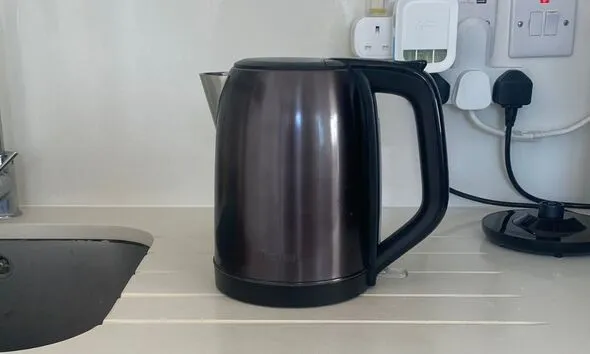
Tackling household chores can feel overwhelming, especially when balancing a busy schedule. Among the less urgent but necessary tasks is descaling a kettle, a job often postponed. Fortunately, a common household ingredient, citric acid, offers an effective and simple solution for removing stubborn limescale, proving more convenient than traditional methods like vinegar or baking soda.
Understanding Kettle Limescale
Limescale is a hard, chalky deposit primarily composed of calcium carbonate and other minerals. It forms when hard water, which contains a high concentration of dissolved minerals, is heated. Inside a kettle, these minerals precipitate out of the water and accumulate on the heating element and interior surfaces. While harmless, limescale buildup can significantly impact a kettle’s performance and the taste of beverages.
Why Descale Your Kettle?
- Improved Efficiency: Limescale acts as an insulator, coating the heating element. This means the kettle has to work harder and use more energy to heat the water, leading to increased electricity consumption.
- Better Taste: The mineral deposits can leach into water, imparting a chalky or metallic taste to tea, coffee, and other hot drinks.
- Extended Lifespan: Regular descaling prevents excessive buildup that could potentially damage the heating element or other components, prolonging the kettle’s operational life.
- Hygiene: Removing the accumulated mineral deposits contributes to overall cleanliness.
The Power of Citric Acid for Descaling
Citric acid is a weak organic acid found naturally in citrus fruits like lemons and limes. It is widely used in the food industry as a preservative and flavouring agent, making it a food-grade and non-toxic substance. Its effectiveness in descaling comes from its chemical properties, which allow it to react with and break down alkaline mineral deposits like limescale.
Unlike vinegar, which has a strong, pungent odour that can linger, citric acid is virtually odourless, making the descaling process much more pleasant. It also tends to be more potent against tough limescale than baking soda, which is alkaline and primarily useful for scrubbing or deodorizing.
How to Descale Your Kettle with Citric Acid: A Step-by-Step Guide
The process is straightforward and requires minimal effort. Here’s how to effectively descale your kettle using citric acid:
- Fill the Kettle: Pour fresh tap water into the kettle, filling it about halfway. Avoid overfilling, as this can lead to excess solution boiling over.
- Add Citric Acid: Sprinkle approximately two to three teaspoons of citric acid powder into the water. The exact amount may vary depending on the severity of the limescale. You should observe an immediate fizzing reaction as the acid begins to work.
- Boil and Soak: Turn on the kettle and bring the water to a boil. Once it has boiled, switch it off and let the citric acid solution sit in the kettle for about 15 to 20 minutes. This soaking period allows the acid to effectively break down the limescale deposits. For heavily scaled kettles, you might need to extend this soaking time or even repeat the process.
- Rinse Thoroughly: After the soaking period, carefully pour the solution down the sink. Rinse the inside of the kettle multiple times with fresh water to remove any loosened limescale particles and residual citric acid.
- Final Boil (Optional but Recommended): To ensure no trace of citric acid remains, fill the kettle with fresh water and boil it once more. Discard this boiled water. This step is crucial to prevent your first cup of tea or coffee from having any unexpected taste.
- Enjoy Cleanliness: Your kettle is now descaled, efficient, and ready for use. You can now enjoy pure-tasting hot beverages.
Benefits of Using Citric Acid
The popularity of citric acid as a descaling agent stems from several key advantages:
- Effectiveness: It efficiently dissolves limescale without requiring harsh scrubbing.
- Safety: Being food-grade and non-toxic, it poses no health risks when used as directed, especially important for appliances used to prepare food and drinks.
- Odourless: Unlike vinegar, it doesn’t leave behind unpleasant smells.
- Cost-Effective: Citric acid is readily available in most supermarkets and is generally inexpensive, offering a budget-friendly cleaning solution.
- Environmentally Friendly: It’s a natural product, making it a more eco-conscious choice compared to some chemical descalers.
Conclusion
Maintaining household appliances like kettles is essential for their optimal performance and longevity. Limescale buildup is a common issue that can be easily resolved with simple, effective household items. Citric acid stands out as a superior choice for descaling kettles, offering a safe, odourless, and highly effective method to combat mineral deposits. By incorporating this simple descaling routine, you can ensure your kettle remains efficient, your beverages taste great, and the appliance serves you well for years to come.
