

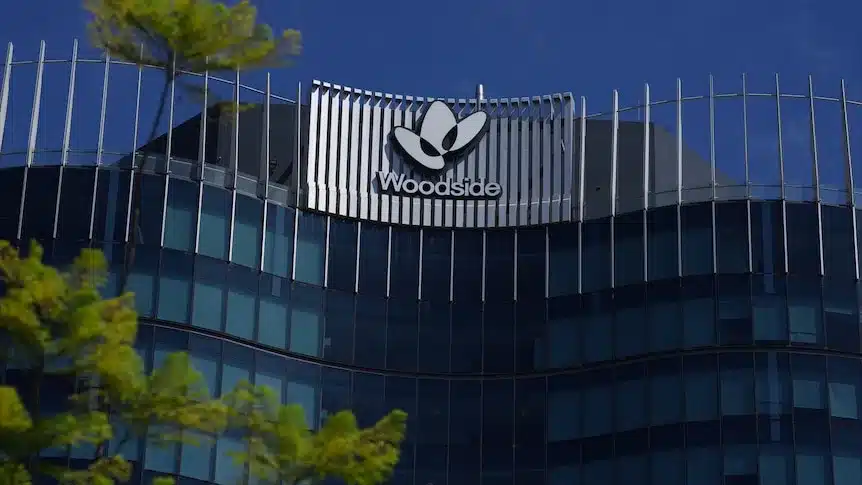
In a significant legal development, the Supreme Court has dismissed an attempt by energy company Woodside to compel climate activists to reveal detailed plans for a protest involving a noxious substance. The protest, which led to the evacuation of Woodside’s Perth headquarters, saw a ‘stink bomb’ deployed within the company’s downtown office lobby in 2023.
Legal Challenge by Woodside
Woodside had initiated a civil lawsuit against three activists who had previously been sentenced in relation to the incident. The company sought court orders compelling these individuals to produce any documents that could shed light on the individuals involved in the “planning, preparation and/or execution” of the protest. Furthermore, Woodside requested the court to authorize examinations of the activists concerning these documents.
Court’s Decision and Reasoning
Supreme Court Justice Matthew Howard delivered the ruling, rejecting Woodside’s application. Despite acknowledging the substantial resources the company had allocated to its legal pursuit, Justice Howard stated that Woodside had failed to demonstrate a compelling need for such an order to uncover further involvement. He concluded that the evidence and arguments presented by Woodside did not surpass the level of mere conjecture or speculation.
“I find that [Woodside’s] evidence and submissions do not rise above mere conjecture or speculation,” Justice Howard wrote in his judgment. He highlighted that the Western Australia Police had already undertaken a thorough investigation into the incident. Moreover, the identities of two other individuals involved in the protest, who were not charged by police, were already publicly known.
Implications of the Ruling
The court’s decision underscores the high legal threshold required to compel the disclosure of sensitive planning documents, particularly in the context of civil actions stemming from protests. Woodside’s effort to extract detailed information about the protest’s organization was ultimately unsuccessful, with the court finding insufficient grounds to justify overriding the activists’ potential legal protections.
Background of the Protest
The incident occurred in 2023 when a malodorous device, commonly referred to as a stink bomb, was activated within the lobby of Woodside’s multi-story headquarters in Perth’s central business district. The deployment of the substance necessitated the evacuation of the building, disrupting operations and drawing significant attention to the climate activism surrounding the company’s operations.
Activist Sentences
Following the protest, legal proceedings were initiated against several individuals. Three activists received sentences related to their involvement in the incident. The specifics of these sentences, including the nature of the charges and the penalties imposed, were determined in prior legal proceedings.
Broader Context of Climate Activism
This legal case occurs against a backdrop of increasing climate activism targeting major energy companies. Protesters frequently employ a range of tactics to draw attention to environmental concerns and to pressure corporations to alter their practices or transition away from fossil fuels. Such actions often lead to legal challenges from the targeted companies, seeking to identify all responsible parties and prevent future disruptions.
Legal Avenues for Companies
Companies facing disruptive protests often explore various legal avenues. These can include criminal charges for individuals involved in illegal activities, as well as civil lawsuits aimed at recovering damages or seeking injunctions. In this instance, Woodside pursued a civil route, attempting to leverage court powers to obtain information about the protest’s planning network. However, the court’s decision indicates that such broad discovery powers are not automatically granted and require substantial justification.
Conclusion
The Supreme Court’s dismissal of Woodside’s application represents a setback for the company’s efforts to uncover the full extent of the planning behind the stink bomb protest. Justice Howard’s ruling emphasizes the need for concrete evidence beyond speculation when seeking court orders for the disclosure of sensitive information related to activist movements. The case highlights the legal complexities and differing interests involved when corporate operations intersect with environmental activism.
