

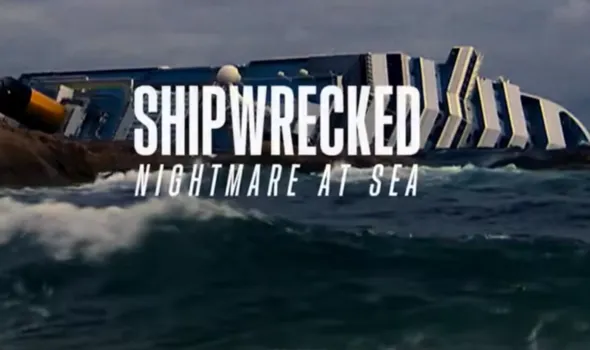
A new documentary, Shipwrecked: Nightmare at Sea, available on Netflix, is eliciting strong reactions from viewers who describe the film as “horrifying.” The documentary delves into the tragic events of the 2012 Costa Concordia disaster, meticulously reconstructing the sinking of the luxury cruise ship. By integrating survivor testimonies, personal mobile phone footage from the night of the incident, and translated recordings from the ship’s black boxes, the film aims to expose the critical errors in judgment made by the captain.
The Costa Concordia Disaster: A Factual Account
The Costa Concordia incident, which shocked the global community, occurred on January 13, 2012. The vessel, carrying over 4,000 passengers and crew, departed from Civitavecchia, Italy. Unbeknownst to those on board, Captain Francesco Schettino had deviated from the planned route. He had agreed to perform a “sail-by salute” near the island of Giglio, a maneuver intended to honor a retired crew member and his family. This unscheduled detour led the ship directly into a submerged rock reef.
Following the collision, the ship began to take on water, eventually listing heavily. Initial reports indicate that Captain Schettino and his bridge crew significantly understated the severity of the situation. They reportedly delayed calling for assistance from the Italian Coast Guard for a critical period. It was more than an hour after the initial impact before an emergency evacuation was formally ordered, by which time the ship’s tilt had increased dramatically, intensifying the panic among passengers.
Despite the efforts of many crew members and passengers, the evacuation was fraught with peril. The chaotic circumstances and the ship’s precarious angle made escape incredibly difficult. Ultimately, 32 individuals lost their lives in the disaster. The event highlighted profound failures in maritime safety protocols and leadership during a crisis.
Viewer Reactions and Lessons Learned
The visceral nature of the documentary has prompted significant discussion among viewers, particularly on online forums like Reddit. Many have shared their profound emotional responses to the film and the real-life events it portrays. A recurring theme in viewer feedback is the importance of situational awareness, even in seemingly safe environments.
One viewer expressed the impact of the documentary, stating, “This documentary absolutely horrified me. The one takeaway I had was to always map out a route to the emergency exit/lifeboats whenever I travel or stay in a hotel. You could find yourself in the pitch black needing to find your way to safety.” This sentiment underscores a newfound vigilance among those who have watched the film, emphasizing preparedness in the face of unexpected emergencies.
Another viewer focused on the leadership failures, commenting, “I just watched this recently, also. It was horrifying and tragic how terribly the captain and, therefore, the crew handled the situation.” The proximity of the ship to shore when the disaster struck was particularly disturbing to some. “It seems somehow worse that they were so close to shore, like you could see safety, but you couldn’t get there because the captain refused to admit that there was a problem,” added the same viewer.
The actions of Captain Schettino himself have drawn widespread condemnation. A third viewer remarked on his conduct, particularly his departure from the vessel: “The captain was a disgusting coward in my opinion. When he left on a lifeboat and was being ordered back and refused, that’s what sealed it for me. Horrible man.” This specific detail, the captain’s alleged abandonment of his post before all passengers were evacuated, appears to be a pivotal point of outrage for many.
Legal Consequences for Captain Schettino
Following the investigation into the Costa Concordia disaster, Captain Francesco Schettino faced severe legal repercussions. He was ultimately convicted on multiple charges, including manslaughter, causing a maritime accident, and abandoning ship. In 2015, he was sentenced to 16 years in prison for his role in the catastrophe that claimed 32 lives.
The legal proceedings and the subsequent conviction highlighted the immense responsibility placed upon ship captains during emergencies. The case served as a stark reminder of the devastating consequences that can arise from negligence, poor decision-making, and a failure to uphold duty of care in critical situations. The documentary Shipwrecked: Nightmare at Sea brings these events back into public consciousness, prompting reflection on safety, leadership, and human resilience.
