

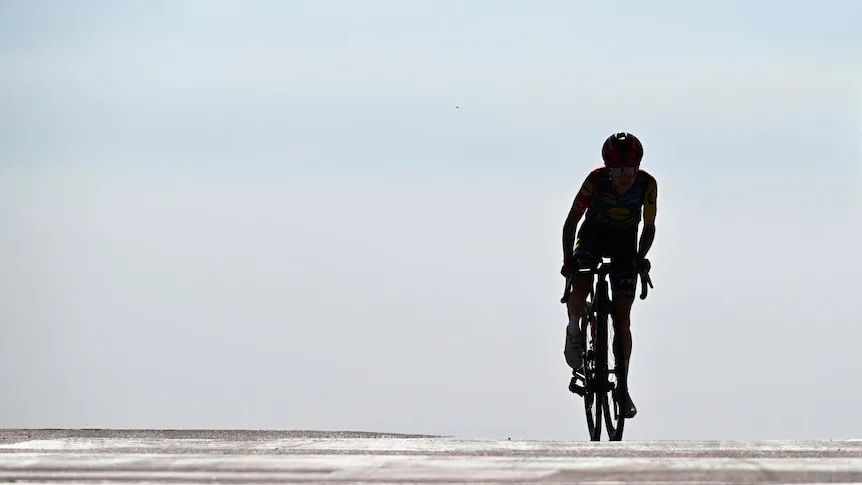
Fans of the Tour de France Femmes are expressing significant frustration over the limited live broadcast coverage of the prestigious cycling event. Despite a surge in viewership and a fiercely competitive race, only three out of the nine stages are being shown in their entirety from start to finish. This lack of comprehensive coverage has drawn criticism from commentators, riders’ unions, and fans alike, who argue that it fails to do justice to the growing excitement and talent on display.
Limited Live Broadcasts Frustrate Fans and Experts
The 2024 edition of the Tour de France Femmes has delivered thrilling action, with the top three riders separated by a mere 39 seconds and six different cyclists claiming stage victories. The race lead has changed hands multiple times, culminating in a nail-biting contest. However, the viewing experience for many has been marred by incomplete live broadcasts. Only three of the nine stages have been televised from start to finish, leaving fans unable to witness crucial race-defining moments.
This issue is a significant hurdle for the women’s cycling race as it approaches its conclusion. The Cyclists’ Alliance (TCA), a union representing women riders and headed by Australian former world and Olympic champion Grace Brown, has been vocal in its criticism throughout the event. “For the biggest race in women’s cycling, partial coverage is no longer enough,” the TCA stated on social media. “Fans will still miss the attacks, the tactics, and the moments that could define the race.”
Commentators Voice Strong Disappointment
Broadcaster Orla Chennaoui, who hosts coverage for TNT Sports in the UK, did not mince her words, expressing her strong dissatisfaction. “I’m getting really annoyed now. I’m getting really, really pissed off,” she shared in a social media video. Chennaoui highlighted the immense excitement and interest surrounding the Tour de France Femmes, noting the dynamic and dramatic nature of the sport that has been repeatedly proven. She observed a significant increase in social media engagement, with algorithms flooded with positive content about the race, including numerous articles, podcasts, and YouTube videos.
“And we still, despite this, despite how proven the interest is, we cannot get live TV coverage. ASO [Amaury Sport Organisation], what are you doing? Why can we not get to watch all stages live?” Chennaoui questioned, emphasizing the strong desire from broadcasters to show the entire race daily. She acknowledged that her candid remarks might lead to repercussions.
Disparities in Coverage Compared to Men’s Race
The disparity in coverage compared to the men’s Tour de France is a point of contention. All 21 stages of the men’s race were broadcast live in full. In contrast, on the same day that the third stage of the women’s race was only partially shown, the entirety of the men’s Tour de Pologne World Tour race, spanning over five hours, was broadcast live. This includes a full 234.2-kilometre flat stage.
While the total broadcast duration for the Tour de France Femmes has increased to 27 hours and 40 minutes this year, a rise of five hours and 20 minutes from 2024, the core issue of incomplete live coverage persists. Data from France Télévisions indicates a substantial 40 percent increase in viewership, with numbers rising from 18.3 million in 2024 to 25.7 million in 2025. “The demand is undeniable,” the TCA asserted. “We are asking for the coverage to catch up.”
Impact on Race Narrative and Fan Engagement
The consequences of missing live footage are significant. During stage three, a crucial breakaway move by Norway’s Sigrid Haugset, who attacked from 88km out, was entirely missed by television cameras because they had not yet started broadcasting. Similarly, an early crash involving pre-race favorite Demi Vollering, which could have major implications for the rest of the race, also went unseen by the cameras. Lizzie Deignan, a former world champion, commented on a podcast, “That was disappointing. There’s no substitute for footage. You can’t get a feel of the race, of the tension, of the atmosphere.”
Deignan further elaborated on the fan experience, comparing the difficulty of following the race from home to the “old days” of professional cycling, where fans had to constantly refresh news feeds to keep up with developments. This sentiment underscores the frustration of a modern audience accustomed to seamless, comprehensive live sports viewing.
Organizers Acknowledge Issues and Promise Future Improvements
Despite the criticism, the Tour de France Femmes is being broadcast in 190 countries, including by SBS in Australia. However, local broadcasters like SBS can only transmit the footage provided to them. France Télévisions is responsible for the production and distribution of the broadcast on behalf of the Amaury Sport Organisation (ASO), the same entity that manages the men’s Tour de France and other major cycling events like Liège-Bastogne-Liège and Paris-Roubaix.
ASO faced similar criticism for its coverage of the women’s Paris-Roubaix earlier this year, where less than 90 minutes of the three-and-a-half-hour race was shown. Chennaoui described this as a “step backwards” that did a “disservice to women’s racing.”
Race director Marion Rousse acknowledged the ongoing concerns and indicated that the race is moving towards full broadcast coverage. “We’re giving serious consideration to broadcasting all the stages in full in the future because the women deserve it,” Rousse told Cycling Weekly. “It works well in terms of audience figures. We’re currently giving it real consideration, which is a step forward. Things are moving in the right direction.” This statement offers a glimmer of hope for fans and participants who are eager for the Tour de France Femmes to receive the complete and consistent coverage it warrants.
Conclusion: The Road Ahead for Comprehensive Coverage
The Tour de France Femmes is at a critical juncture. While the race itself is thriving with exciting competition and growing fan engagement, the broadcast coverage lags behind. The persistent issue of incomplete live broadcasts, contrasted with the full coverage afforded to the men’s race, continues to be a major point of frustration. As viewership figures climb and the sport’s popularity soars, stakeholders, including ASO and broadcast partners, are under increasing pressure to provide the comprehensive live coverage that fans and athletes deserve. The commitment to consider full broadcasts in the future is a positive step, but the cycling community will be eagerly watching to see these considerations translate into tangible improvements for upcoming editions of this landmark women’s cycling event.
