

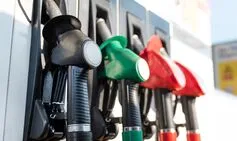
Drivers across the UK are being advised to ensure their fuel tanks are topped up before Thursday, as forecasters predict a return to significant heatwave conditions. The Met Office anticipates temperatures soaring, particularly in southern England, potentially reaching up to 36C by Thursday. This surge in heat is expected to impact fuel consumption, prompting warnings for motorists to prepare.
Heatwave Forecast and Fuel Consumption
The Met Office has forecast a notable increase in temperatures starting this weekend and peaking around Thursday. While specific highs vary by region, London and the south of England are expected to experience the most intense heat, with predictions of 31C on Sunday, August 9, and potentially reaching 36C by Thursday. This period of hot weather is anticipated to be the fifth heatwave of the summer season.
Beyond the immediate discomfort, hotter weather presents an often-overlooked challenge for drivers: increased fuel usage. Both driver behaviour and the vehicle itself contribute to a faster depletion of petrol and diesel during high temperatures. This phenomenon can catch drivers off guard, leading to unexpected fuel stops or even running out of fuel.
Factors Affecting Fuel Economy in Hot Weather
Several factors contribute to reduced fuel economy when temperatures rise:
- Air Conditioning Use: The primary driver of decreased fuel efficiency in hot weather is the use of a vehicle’s air conditioning system. The energy required to cool the cabin significantly increases fuel consumption. According to data from the US Department of Energy, running the A/C can reduce a conventional vehicle’s fuel economy by over 25% in very hot conditions, especially on shorter journeys. The impact can be even more pronounced on hybrid and electric vehicles.
- Driver Behaviour: Warmer weather can subtly alter driving habits. For instance, drivers might be more inclined to open windows at lower speeds or rely more heavily on air conditioning, both of which impact fuel efficiency.
- Fuel Gauge Accuracy: Extreme heat can even affect the accuracy of a car’s fuel gauge, potentially providing a misleading indication of the remaining fuel level.
While warm air can offer some minor benefits, such as faster engine warm-up and reduced aerodynamic drag compared to very cold air, these are generally outweighed by the increased demand for cooling systems and altered driving patterns.
Current Fuel Prices and the Importance of Efficiency
The advice to refuel comes at a time when fuel prices remain elevated. Recent surges, partly attributed to geopolitical events, have led to average prices of approximately 161.47p per litre for petrol and 181.45p per litre for diesel, according to RAC data. In this context, minimizing fuel wastage is particularly important for household budgets.
Avoiding Stranded Scenarios
Another crucial reason to ensure a full tank is to avoid being stranded during potential traffic jams on hot days. Experts emphasize that fuel levels can drop more rapidly than usual in warm weather, making normal estimations of remaining range unreliable. Being caught in a traffic jam on a hot day, with a dwindling fuel supply, is described as a particularly unpleasant scenario.
Debunking the ‘Exploding Car’ Myth
Concerns have previously circulated about the safety of filling car tanks during hot weather, with a myth suggesting vehicles could explode. However, automotive experts and organisations like the RAC have firmly debunked this. Fuel systems in passenger vehicles are designed to safely manage expansion and vapour pressure, meaning there is no risk of a fuel tank exploding from being filled fully, even in high temperatures.
Optimal Driving Temperatures
Interestingly, optimal fuel economy is not achieved in extreme heat or cold. Experts suggest that a ‘sweet spot’ for vehicle efficiency lies between 15C and 20C. Temperatures below this range, particularly in cold weather, can significantly reduce efficiency. For instance, fuel economy can drop by around 10% at -5C compared to 20C, with penalties reaching 20% or more on short trips under four miles. As temperatures rise above the optimal range, engine efficiency begins to decrease again, with significant reductions occurring above 32C and an increased risk of overheating.
Met Office Details and Regional Variations
The Met Office’s Deputy Chief Forecaster, Mike Silverstone, detailed the expected temperature progression. Temperatures are set to climb throughout the weekend and into the following week. Following a brief dip on Monday, high pressure is expected to establish itself, allowing a southerly airflow to bring warmer conditions. A widespread heatwave is likely across much of England and Wales. The peak of the heat is anticipated for Wednesday across England, Wales, Northern Ireland, and Scotland, with central and southern England and southeast Wales potentially reaching 34°C. East Anglia and the southeast of England could experience even higher temperatures on Thursday.
Conclusion: Prepare for the Heat
As the UK braces for a significant heatwave, drivers are advised to take proactive steps. Ensuring a full tank of fuel before the peak heat arrives on Thursday can help mitigate the impact of increased fuel consumption, avoid the inconvenience of running low or out of fuel during potentially congested conditions, and provide peace of mind during the warmer weather. While the risk of fuel tanks exploding is a myth, the reality of reduced fuel economy due to heat and air conditioning use is significant and warrants preparation.
