

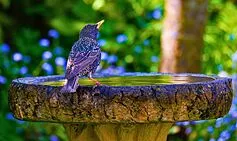
Maintaining a clean birdbath is essential for the well-being of garden birds, especially during warmer months when water sources can be scarce. While birdbaths offer vital hydration and cooling for feathered visitors, they can quickly become unsightly and unhygienic due to algae, bird droppings, pollen, and plant debris. Fortunately, a simple, natural household item can make cleaning birdbaths significantly easier: white vinegar. This readily available substance offers an effective and non-toxic solution for tackling grime and keeping birdbaths pristine.
The Importance of Clean Birdbaths for Garden Birds
Birdbaths serve a dual purpose for garden birds, providing them with a place to drink and a means to cool down during hot weather. This is particularly crucial in late summer, a period when young birds are leaving their nests and seeking out safe water sources. The presence of a birdbath can significantly increase their chances of survival, especially when natural ponds and puddles begin to dry up due to heatwaves. However, the primary challenge for many gardeners is the upkeep required to keep these water features clean and inviting.
Warm temperatures accelerate the growth of bacteria and algae, leading to the characteristic green film that often coats birdbath basins. Bird droppings, pollen, and fallen leaves further contribute to the buildup of organic matter, creating an environment that is not only aesthetically unpleasing but can also pose health risks to birds.
A Gardener’s Natural Cleaning Secret: White Vinegar
Mariah, a gardening enthusiast known online as the Country Plant Lady, has shared a simple yet effective method for keeping birdbaths clean using white vinegar. She highlights vinegar’s gentle, non-toxic nature, which allows it to break down algae and other buildup without the need for harsh chemicals. “Clean water helps keep your local birds healthy, reduce risk of disease spreading, hydrated, and coming back for more little splash baths,” Mariah explains.
White vinegar is a safe acidic ingredient that works by dissolving dirt, algae, and grime that adhere to the birdbath’s surface. Its mild acidity helps to loosen tough residues, minimizing the need for vigorous scrubbing. This makes the cleaning process less time-consuming and labor-intensive.
Why White Vinegar is an Ideal Choice
- Non-Toxic and Safe: Unlike chemical cleaners, white vinegar is safe for birds and the environment.
- Effective Algae Remover: Its acidic properties help to break down and lift algae growth.
- Mildly Antibacterial: Vinegar possesses natural antibacterial qualities that contribute to a cleaner water source.
- Readily Available and Inexpensive: A common household staple, white vinegar is affordable and easily found in most supermarkets.
The cost of a bottle of white vinegar is typically between £2 and £3, and many households already have it in their kitchen, making it an economical choice for regular birdbath maintenance.
How to Clean Your Birdbath with White Vinegar
Regularly emptying and refilling the birdbath is a good practice to ensure birds always have access to fresh water. While a full clean isn’t needed every few days, the vinegar method offers an efficient way to tackle accumulated grime.
Follow these steps for an easy and effective birdbath cleaning:
- Empty the Birdbath: Begin by tipping out the old water. It’s advisable to do this every few days to maintain water freshness.
- Prepare the Cleaning Solution: Mix equal parts white vinegar and warm water in a bucket or directly in the birdbath.
- Apply and Soak: Pour the vinegar-water solution into the birdbath, ensuring it covers the basin and any internal rocks or decorative elements. Let the solution sit for at least 20 minutes. This allows the vinegar to work on loosening the buildup of algae and grime.
- Scrub Gently: Use a bristled brush (a soft-to-medium stiffness is usually sufficient) to gently scrub the interior surfaces of the birdbath. The loosened grime and stains should come off relatively easily.
- Rinse Thoroughly: Once scrubbed, rinse the birdbath completely with clean water to remove all traces of the vinegar solution.
- Refill and Dry: Fill the birdbath with fresh, clean water. Allow it to dry properly before placing it back in its usual garden spot.
This cleaning process, typically taking less than 30 minutes, ensures that your birdbath remains a safe, healthy, and attractive water source for birds throughout the summer and beyond. By using this simple, natural method, gardeners can easily contribute to the well-being of local wildlife while enjoying the sight of birds flocking to their garden.
