

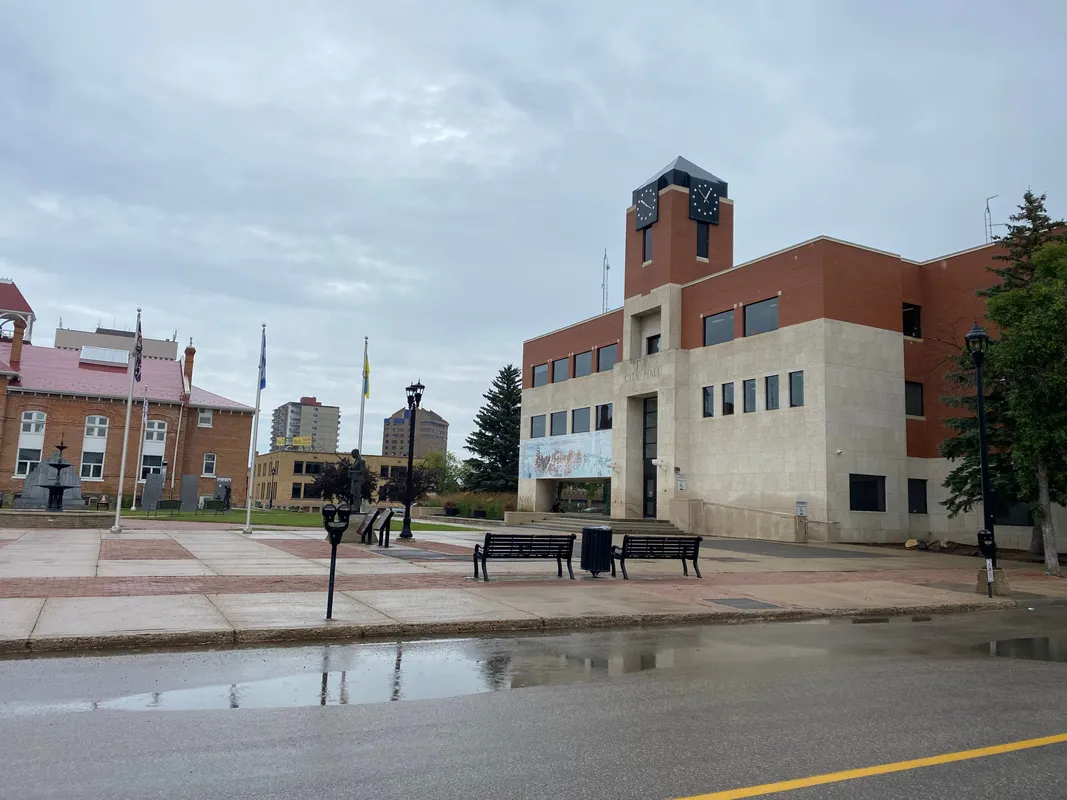
The City of Prince Albert is considering the implementation of a new tax subclass specifically designed to address the growing issue of derelict properties within the city. This initiative aims to encourage property owners to either maintain, repair, or demolish vacant and neglected buildings that have become a concern for residents and city officials alike.
Addressing Derelict Properties: A Growing Concern
The presence of numerous boarded-up houses and fire-damaged structures that remain unrepaired or are being addressed too slowly has prompted city council to explore new strategies. Councillor Blake Edwards, representing Ward 6, highlighted the problem during a recent executive committee meeting, stating, “We have too many boarded up houses in the city. We have too many homes that have had fires that are being left and not being dealt with, or maybe they’re being dealt with but not quick enough.” This sentiment was echoed by Councillor Darren Solomon of Ward 8, who expressed his shock at the condition of some properties he encounters in his ward, emphasizing the need to continue discussions on how to tackle these derelict sites.
Inspiration from Other Municipalities
The proposed tax subclass is inspired by a similar initiative successfully implemented in Edmonton. City councillors have been discussing this model as a potential solution for Prince Albert. The core objective is to create financial incentives for property owners. By potentially increasing the tax burden on neglected properties, the city hopes to motivate owners to invest in repairs, undertake necessary demolitions, or sell the property to someone who will develop it. The ultimate goal is to significantly reduce the number of derelict properties, thereby improving the aesthetic and safety of neighborhoods across Prince Albert.
Potential Bylaw Amendments for Nuisance Properties
Beyond the tax subclass, councillors also discussed the possibility of enacting or amending bylaws to address properties deemed as “nuisances.” One particular area of discussion involved a bylaw that could require property owners to bear the cost of security measures for sites experiencing active trespassing. This measure aims to prevent further deterioration and potential illegal activities on abandoned or neglected properties, holding owners more accountable for the condition and security of their land.
Next Steps: A Detailed Report
Following a comprehensive discussion, the executive committee unanimously voted to direct city administration to prepare a detailed report. This report will outline the specifics of introducing a new tax subclass for derelict properties. Key components of the report will include:
- A clear and precise definition of what constitutes a “derelict property” within the city’s context.
- An analysis of why the current tax and property maintenance systems are not yielding the desired outcomes in addressing these neglected buildings.
- An examination of the Edmonton model and its applicability to Prince Albert.
- Potential financial implications for both property owners and the city.
Councillor Edwards expressed a desire to see this initiative move forward swiftly, ideally with the bylaw in place before the upcoming budget deliberations. This suggests a sense of urgency within the council to find effective solutions to the problem of derelict properties.
Scope of the Proposed Tax Subclass
It is important to note that the proposed tax subclass is intended to apply to both commercial and residential properties. This broad scope indicates the city’s commitment to tackling blight across all property types, recognizing that neglected commercial buildings can also have a significant negative impact on the urban landscape and local economy.
Conclusion: Towards a Revitalized Prince Albert
The exploration of a new tax subclass for derelict properties represents a proactive step by the City of Prince Albert to confront a persistent urban challenge. By learning from other municipalities and considering a multi-faceted approach that includes potential bylaw changes, the city is signaling its intent to create a more revitalized and well-maintained urban environment. The forthcoming report from city administration will be crucial in determining the feasibility and specific mechanisms of this new tax strategy, paving the way for potential implementation and a reduction in the number of neglected properties.
