

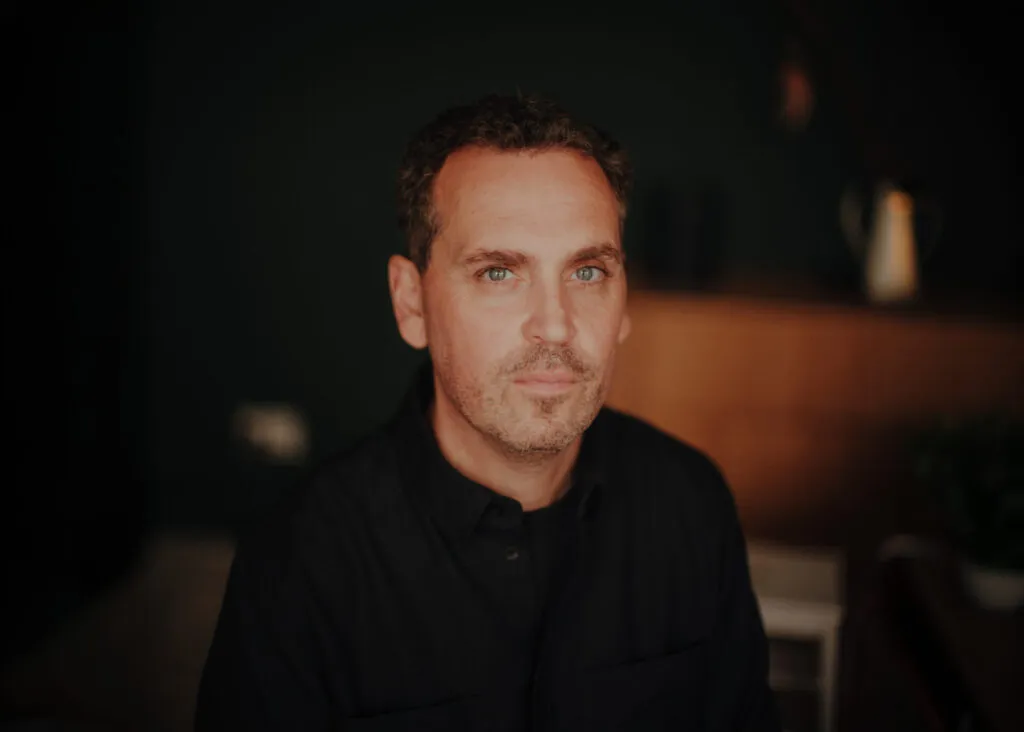
James Ellis Ford’s sophomore solo album, Lost In Another World, stands as a rare and poignant testament to music created amidst profound personal adversity. Recorded over a nine-month period at Saint Barts in London, the album emerged during intensive chemotherapy sessions. This body of work joins an exclusive roster of albums created in hospital settings, including J Dilla’s Donuts and Warren Zevon’s The Wind. Ford’s project is characterized by a heart-wrenching honesty, yet it steadfastly avoids sentimentality, imbued instead with a profound sense of dignity that often accompanies a stark awareness of mortality. Having been given a less than 30% chance of survival, Ford’s continued presence and apparent recovery are heartening.
A Starkly Honest Account of Illness
What distinguishes Lost In Another World is its unvarnished sincerity. The songs strip away artifice, leaving no space for the indulgence of a constructed persona. The central figure is unequivocally Ford himself, laying bare his experiences with an instinctive, lyrical candor that reads like a personal diary. Many tracks were conceived and recorded in his hospital bed, with vocals captured using a laptop microphone or, later, a PC provided by his wife to combat the crushing boredom of his ward. He emerges as a compelling protagonist: stoic, philosophical, and resilient, notably without a trace of self-pity. The narrative gains further weight when considering the severe secondary illnesses Ford endured, including sepsis, E. coli, and MRSA. Despite this biographical context, Lost In Another World functions as a compelling and reflective electropop album on its own merits.
From Studio Ambitions to Life-Altering Diagnosis
The follow-up to 2023’s The Hum was initially envisioned to explore more esoteric influences than Ford’s established sound, which often draws from artists like Arctic Monkeys, Depeche Mode, and Pet Shop Boys. With figures such as Sun Ra Arkestra and Harold Budd in mind, Ford began the creative process in his Hackney studio loft. However, these plans were irrevocably altered by the diagnosis of acute myeloid leukemia, a devastating blow received during the Christmas of 2024.
Chronicling the Unseen Realities of Illness
While death is a frequently explored theme in popular music, the specific details of the journey toward it are often vague or omitted. Songs typically focus on themes of love and loss, with death sometimes romanticized or embraced as a final act. Chronic illness, however, remains a largely uncharted territory in musical documentation. A brief search reveals a few albums touching on palliative care, such as those by Eels and The Antlers, but such granular detail is notably absent from the final works of iconic artists like David Bowie, Leonard Cohen, or Freddie Mercury’s Queen, whose lyrics often alluded to the afterlife with deliberate ambiguity.
Reflecting on reviewing David Bowie’s Blackstar in 2016, an experience concurrent with the reviewer’s own chemotherapy, the profound impact of Bowie’s passing was compounded by the realization of how much of his impending mortality was present in the music, a message now clear in hindsight. Ongoing sickness is often difficult to confront in both art and life because its narrative is rarely neat or easily resolved. The cessation of life can be more palatable than the protracted, uncertain process of prolonged illness, especially when recovery is achieved. The common narrative of “kicking cancer’s arse,” while well-intentioned, can inadvertently imply that any other outcome signifies weakness or personal failure.
An Intimate Glimpse into Hospital Life
Lost In Another World offers an impressively produced, DIY electronic exploration of the hospital experience. It draws the listener into the quiet monotony of a hospital bed, where thoughts are the primary companions, punctuated by vital sign readings, the subtle intrusion of injections, and the predictable arrival of unappetizing meals. The album masterfully captures the ennui of prolonged confinement, the feeling of being adrift with an opioid-induced haze, staring into an undefined void. Strange, disorienting sensations and unfamiliar surroundings contribute to a profound sense of displacement.
On the Ryuichi Sakamoto-inspired opener ‘Overtones,’ Ford sings of unsettling experiences: “I’ve had the strangest feeling / I felt the earth revolving at high speed / and it haunted me / Then was gone.” The track ‘Homesick For Another World’ positions him as a figure akin to Thomas Jerome Newton from The Man Who Fell To Earth, with lyrics like “I’ve got to get back home / Why can’t they leave me alone” set against an upbeat synth-pop backdrop. ‘Parallel Dimension’ offers a more direct and raw sentiment: “I’m trusting in the process / But it really fucking hurts.”
The Arc of Grief and Acceptance
While the chronological order of the songs’ creation is uncertain, Lost In Another World appears to trace a narrative arc broadly mirroring the five stages of grief. It begins with confusion and dislocation, moving towards songs that confront the prospect of death. The final tracks, including ‘The Ever After,’ ‘Did You Ever Want To Go To Your Own Funeral,’ and ‘This Will All Be A Memory Soon,’ depict Ford facing the ultimate quietus, even as the present outlook has improved. The emotional core of the album, however, resides in its midpoint. ‘Here Today’ evokes the bargaining phase of grief, filled with ‘what ifs’ and ‘if onlys.’ Ford reflects, “I’ll never again take these moments for granted,” recalling simple domestic moments with his son. Equally poignant is ‘I Believe In You,’ a dedication to a steadfast partner navigating this new, uncertain reality, left to wait and wonder with their own feelings of hopelessness.
Ultimately, Lost In Another World reframes the concept of the “difficult” second album, demonstrating that profound artistic statements can emerge from the most challenging circumstances. It is a vital document of chronic illness, offering a rare and unflinching look at an experience often left unspoken.
