

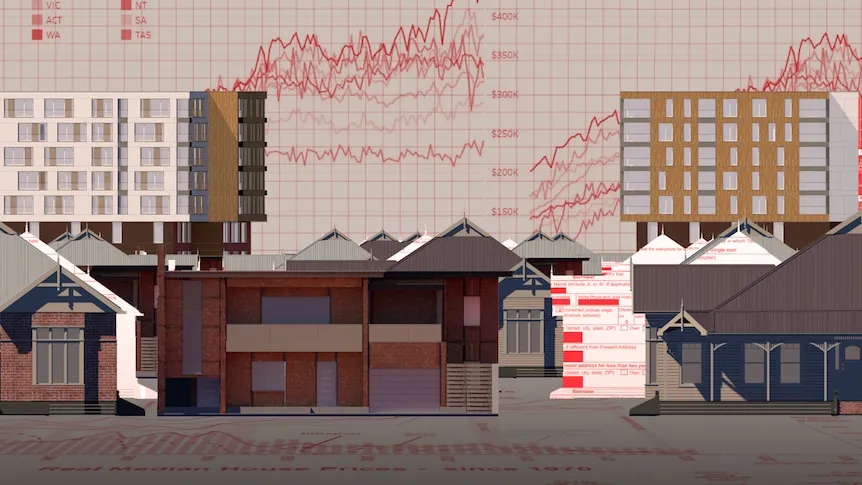
The dream of homeownership and secure rental housing is becoming increasingly elusive for many Australians, as a persistent housing affordability crisis continues to shape lives across the nation. From young adults unable to leave their parents’ homes to retirees struggling to downsize, the challenges are widespread and deeply felt. This report delves into the experiences of Australians navigating this complex and often stressful landscape, featuring insights from housing experts.
The Widespread Impact of Housing Insecurity
Australians from all walks of life are confronting significant hurdles in the current housing market. The struggle is not confined to one demographic; it spans individuals seeking affordable rentals, homeowners facing mounting mortgage repayments, and those looking to transition to smaller properties. The financial strain and emotional toll of housing insecurity are reshaping personal circumstances and life choices.
Many individuals find themselves in situations they never anticipated. This includes young professionals remaining in their childhood homes well into their thirties, a direct consequence of being unable to secure independent or affordable housing. Others are making considerable financial sacrifices, such as cutting back on essential expenses or resorting to a diet of basic, inexpensive food, simply to meet their monthly mortgage obligations. These are not isolated incidents but rather common themes emerging from the experiences of those directly affected by the housing affordability crisis.
Expert Perspectives on the Housing Market
To provide context and potential solutions, housing experts have been engaged to offer their insights. Tom Alves from the Australian Housing and Urban Research Institute and Gerard Burg, head of research at Cotality, have been central figures in discussions aimed at understanding and addressing the crisis. Their expertise is crucial in dissecting the multifaceted nature of the problem and exploring pathways forward.
Challenges in the Rental Market
The rental market, in particular, presents a formidable barrier for many. Finding a suitable and affordable place to live is a significant challenge, leading some to accept less desirable or cheaper accommodations out of necessity. This can involve compromises on location, size, or quality, impacting daily life and long-term stability. The scarcity of affordable rental properties forces many into a constant state of uncertainty, with the fear of rent increases or the need to relocate looming.
The Homeownership Ladder
For those aspiring to own a home, the journey is equally arduous. The goalposts for entering the property market seem to shift constantly, with rising prices and interest rates making it harder to save for a deposit and secure a mortgage. Many who have managed to purchase a property are now feeling the pressure of increased interest rates, making it difficult to manage their regular repayments. This has led to a reassessment of financial priorities, with housing costs dominating household budgets.
Downsizing Dilemmas
Even those who have successfully navigated the property market face new challenges when considering downsizing. Retirees, for instance, often find that the financial benefits of moving to a smaller, more manageable home are not as significant as anticipated. Transaction costs, stamp duties, and the price of smaller properties can negate the expected savings, leaving them in a difficult position where their current home may be too large or costly to maintain, but downsizing is not a financially viable option.
Sharing Your Experiences
The human element of the housing crisis is paramount. Personal stories highlight the real-world consequences of these market dynamics. Whether it’s the anxiety of making a mortgage payment, the frustration of an unsuccessful rental search, or the difficult decision to delay life milestones due to housing costs, these narratives underscore the urgency of the situation.
Individuals have shared accounts of:
- Struggling to find rental properties in competitive markets.
- Being forced to accept substandard or overcrowded housing.
- Making significant lifestyle changes to afford mortgage repayments.
- Delaying starting families or pursuing career changes due to housing instability.
- Experiencing stress and mental health challenges related to housing insecurity.
- Finding that downsizing is financially prohibitive despite owning a larger home.
Looking Ahead: Solutions and Support
Addressing Australia’s housing affordability crisis requires a multi-pronged approach. Experts emphasize the need for increased housing supply, particularly in affordable and social housing sectors. Policy interventions aimed at stabilizing the market, supporting first-home buyers, and providing greater security for renters are also critical.
Furthermore, fostering a deeper public understanding of the complexities involved is essential. By sharing diverse experiences and expert analysis, the aim is to contribute to a more informed national conversation about housing. The goal is to move towards solutions that ensure secure and affordable housing is accessible to all Australians, allowing individuals and families to build stable futures.
The ongoing dialogue, informed by both personal testimonies and expert knowledge, is vital in shaping policies and community initiatives designed to alleviate the pressures of the housing market. The collective experiences shared serve as a powerful reminder of the profound impact housing has on individual well-being and the broader social fabric.
