

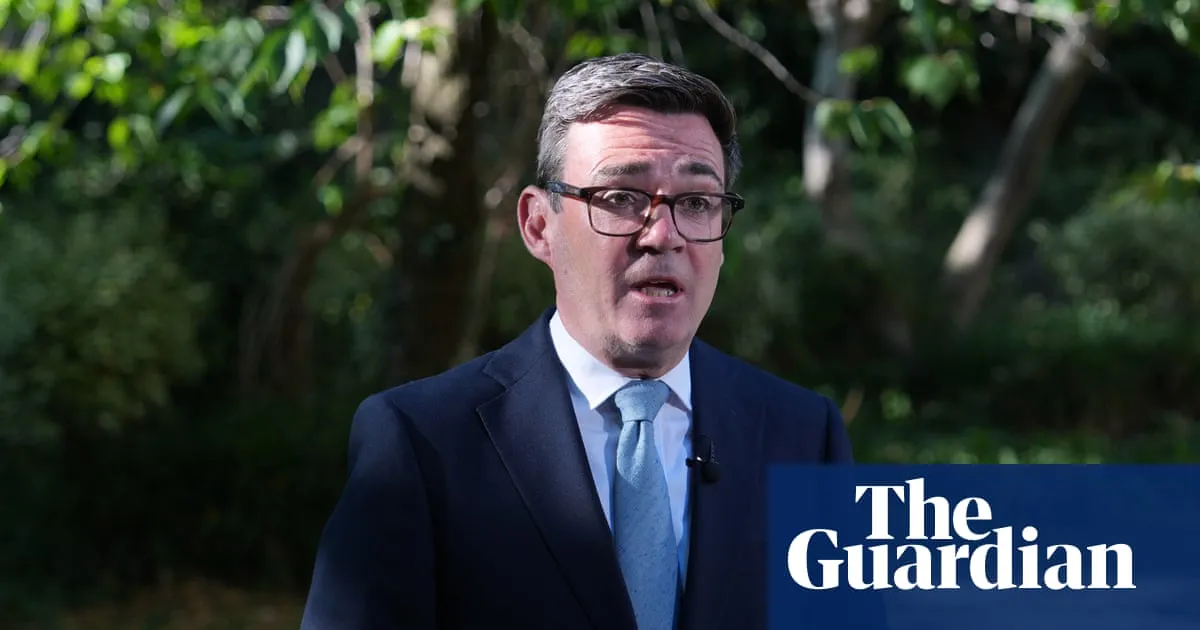
As the UK grapples with an unprecedented summer of extreme weather, questions are mounting regarding the perceived silence from Andy Burnham on the escalating climate crisis. Despite facing intense heatwaves, wildfires, and drought, many observers and environmental advocates are questioning the lack of prominent public discourse from Burnham on the issue since taking office.
Growing Calls for Climate Action
The summer’s extreme conditions, including wildfires that ravaged areas like the New Forest and widespread drought affecting farmland, have amplified concerns. Environmental experts and campaigners have urged Burnham’s administration to address the climate emergency with a greater sense of urgency. Emma Howard Boyd, former head of the Environment Agency and now a professor at the Grantham Research Institute on Climate Change and the Environment, emphasized the need for immediate action. She called for the government to “act with urgency” to prepare the nation for a warmer climate by both reducing emissions and bolstering the resilience of the country’s infrastructure, homes, and agricultural sectors.
Similarly, Mike Childs, head of policy at Friends of the Earth, stated that it was time for Burnham to “end his silence on the climate emergency” and actively work to mitigate the causes and effects of global heating. This would better protect communities from the increasingly frequent and severe weather events they are experiencing.
Perceived Lack of Urgency
Despite these calls, there has been no major speech or public address from Burnham specifically detailing his strategy or commitment to tackling the climate emergency. While he did convene a COBRA meeting following a period of intense heat, the outcomes reported, such as a potential ban on disposable barbecues, have been seen by some as insufficient responses to the broader climate crisis. Critics point out that this meeting did not directly address the underlying climate change driving the extreme heat.
Some commentators suggest that the current political climate, with Burnham reportedly enjoying a surge in popularity, presents an opportune moment to address global warming without triggering divisive cultural debates. They argue that now is the ideal time to proactively discuss the impacts of human-induced climate change on ordinary citizens, the environment, and the cost of living, and to outline concrete plans for action.
Past Stance vs. Current Approach
During his tenure as Mayor of Greater Manchester, Burnham was notably vocal about climate issues. He set ambitious targets for the city to achieve carbon neutrality by 2038 and frequently highlighted the limitations faced by local government in driving the necessary pace of change to combat climate challenges. This contrasts with his current perceived reticence on the national stage.
In his initial weeks in office, Burnham has spoken out about intergenerational responsibility concerning the social care crisis. However, critics observe that he has not extended this critical examination to the parallel failure of successive political generations to adequately prepare national infrastructure—including hospitals, schools, and public buildings—for extreme heat events.
Consequences of Inaction
The consequences of this long-term neglect are becoming increasingly apparent. Key government departments responsible for environmental protection and food security reportedly have limited staff dedicated to climate adaptation. Healthcare professionals are facing immense pressure, with nurses reportedly fainting in overcrowded A&E departments during heatwaves. Educators are teaching in classrooms that exceed 40°C (104°F), and farmers are warning of reduced crop yields, potential livestock feed shortages, and subsequent increases in food prices.
These impacts directly affect the very communities and ordinary people that Andy Burnham has consistently championed throughout his political career. Their ability to thrive depends on a healthy environment, safe and temperate working conditions, and the assurance of affordable food—all of which are increasingly threatened by the escalating climate emergency. The current situation underscores the urgent need for robust climate adaptation and mitigation strategies to safeguard public well-being and national stability.
