

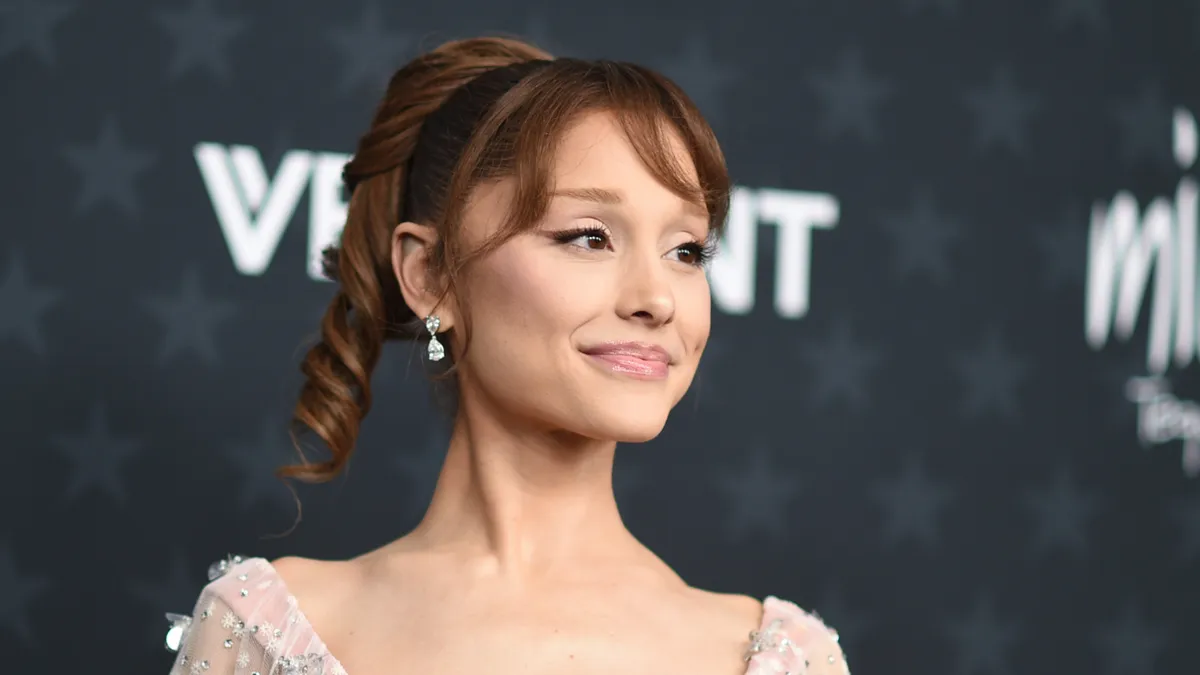
Singer Ariana Grande has announced she will be taking a hiatus from the public eye following her current ‘Eternal Sunshine’ tour, which concludes in London on September 1. The 33-year-old artist cited “ongoing public scrutiny” as a reason for the much-needed break. This announcement comes after a period where fans and commentators expressed increased concern over Grande’s health and physical appearance, particularly after the release of her latest single’s music video, “Petal.” The public discussion surrounding her well-being has ignited a broader cultural conversation about the ethics of scrutinizing public figures’ bodies versus expressing genuine concern.
Navigating Public Concern and Private Health
Principal clinical psychologist Mary Bonich of The Feel Good Clinic explained that concern for a celebrity’s well-being often stems from a place of genuine care, especially when noticeable changes are observed. However, she stressed the crucial distinction between observing a change in appearance and understanding someone’s actual health status.
“It is possible for two things to be true at once: people may feel genuinely concerned when someone they admire appears different,” Bonich stated. “And public speculation about that person’s health may still cause them harm. Expressing concern, without drawing conclusions.”
Bonich emphasized that assessing an individual’s physical or mental health based on photographs, videos, or public appearances is unreliable. “There can be many reasons why someone looks different, and that information remains private unless the person chooses to share it,” she noted. “A more respectful response is to express care without reaching a conclusion.”
She advised focusing on well-wishes rather than making assumptions: “We can hope that Ariana has appropriate support around her while avoiding claims that she has a particular illness or speculating she has an eating disorder.” Bonich also cautioned against dissecting specific body parts, comparing images, or circulating photos to highlight perceived changes. “Even when framed as concern, this can become intrusive and reinforce the idea that women’s bodies are open to public opinion and inspection,” she added.
The Influence of Celebrity Appearance on Young People
Bonich highlighted that Grande possesses many admirable qualities for young people, including immense talent, creativity, and a strong work ethic, evidenced by her sustained career in a demanding industry. Furthermore, Grande’s willingness to discuss difficult experiences and mental health can offer solace to young fans, demonstrating that success doesn’t shield individuals from vulnerability.
However, Bonich pointed out that highly visible celebrities significantly influence young people’s perceptions of beauty, femininity, and social acceptance. This influence is amplified by social media, advertising, and the broader media landscape.
“The response to her appearance may be particularly influential,” Bonich observed. “When a successful woman’s body becomes the subject of constant commentary, girls learn that how a woman looks remains open to public judgement, regardless of everything else she has achieved.”
She concluded, “It would be unfair to hold Ariana responsible for that culture. We should also pay attention to what young people learn from the way adults, media outlets and online audiences respond to her.”
Guiding Conversations About Appearance and Health
Bonich suggested that when children notice a celebrity’s appearance or encounter related online commentary, it presents an opportunity for age-appropriate discussions. Parents can initiate these conversations by asking what their child has seen, what others are saying, and how it makes them feel.
“This can help you understand whether the discussion is also affecting how they view their own body,” Bonich advised. “This is a great opportunity to explain that bodies can change for many reasons and that we cannot tell whether someone is healthy just by looking at them. You could also reinforce that everyone’s health is private — including public celebrities such as Ariana — so it would not be fair to guess what might be happening. This is an important boundary distinction.”
Parents are also encouraged to be mindful of how bodies are discussed within the home. “Children notice when we criticise our own appearance, celebrate weight loss without context, or comment frequently on other people’s size,” Bonich noted. The goal, she explained, is not to avoid the topic but to steer conversations toward curiosity, compassion, and respect for others’ privacy.
Understanding Eating Disorders and Body Image
Bonich stressed that young people are already inundated with discussions about weight, food, and appearance, making it impractical to shield them entirely. Instead, she advocates for conversations about how celebrity culture, social media, and narrow beauty standards can foster body dissatisfaction and comparison.
“For young people who are already vulnerable, this environment may contribute to an unhealthy relationship with food, exercise, or their body,” she warned.
It is vital to remember that eating disorders are complex mental health conditions. “They are not caused by one celebrity or one image, cannot be diagnosed from appearance, and do not have a single visible body type,” Bonich stated. “The discussion therefore should not depend on deciding whether Ariana personally has an eating disorder.”
Instead, Bonich suggests shifting the focus to broader societal issues: “Instead, we should examine why certain bodies are treated as ideals, why women’s appearances attract so much scrutiny, and who benefits when girls and women feel dissatisfied with themselves.”
Ultimately, Bonich aims to foster conversations grounded in empathy, critical thinking, and the understanding that a person’s appearance never tells the complete story.
