

A London theatre has issued what some are calling an unprecedented level of detail in its audience advisories, sparking a conversation about the evolving nature of pre-show warnings. The Old Vic, a prominent South London venue, has provided specific guidance for its current production of Alan Ayckbourn’s 1969 play, ‘How the Other Half Loves,’ detailing the presence of various food items on stage, including toast, meatballs, avocado, eggs, and soup.
Detailed Food Advisories Raise Eyebrows
While theatres commonly provide allergy warnings for specific ingredients like peanuts, which can pose significant risks to audience members and performers, The Old Vic’s advisories go further. The venue’s website lists ‘real food’ as part of the production’s content and even specifies the ingredients of a pea and vegetable soup featured in the play. This level of granular detail, listing percentages of ingredients like peas, carrots, and celery, has drawn particular attention.
The Food Standards Agency in Britain mandates that food businesses identify 14 key allergens to consumers. Items like eggs and celery are included in this list. While allergy information is standard practice for safety, the inclusion of common food items like toast and avocado in a general content advisory is a departure from typical theatre warnings.
The Evolution of Theatre Warnings
Traditionally, ‘trigger warnings’ have been used to alert audiences to potentially sensitive or distressing content. These typically include issues such as strong language, depictions of violence, sexual assault, mental illness, or themes of suicide. The aim is to allow individuals who may be particularly affected by such material to make an informed decision about attending a performance.
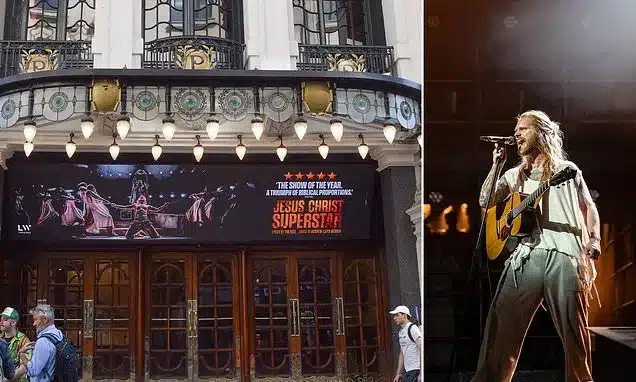
However, the scope of these warnings has broadened, and in some instances, been met with criticism for being overly cautious or even stating the obvious. For example, the Young Vic previously issued a warning about the ‘handling of a cooked egg’ for a production, and the London Palladium faced ridicule for warning audiences about the crucifixion in a production of ‘Jesus Christ Superstar.’ These instances have led some prominent figures in the arts to question the utility and impact of such detailed pre-show alerts.
Expert and Actor Perspectives
Veteran actor Sir Ian McKellen has publicly described some trigger warnings as ‘ludicrous.’ Similarly, acclaimed actress Dame Judi Dench has expressed concerns that knowing too much in advance might diminish the theatrical experience and the element of surprise that can be crucial to storytelling.
The Old Vic itself categorizes its advisories as ‘content guidance’ rather than ‘trigger warnings,’ suggesting a distinction in their intent. This terminology might indicate an effort to frame the information as helpful context rather than a warning of potential psychological distress. The production, starring Roger Allam, is scheduled to run until September 19.
Balancing Information and Artistic Integrity
The debate surrounding detailed content advisories touches upon a broader discussion about how theatres can best inform their audiences while preserving the integrity of artistic expression. On one hand, there is a clear need to provide essential safety information, particularly regarding allergens, to ensure the well-being of all patrons and staff. The presence of real food on stage, even common items, can introduce unexpected risks, such as accidental ingestion or allergic reactions, especially if ingredients are not fully disclosed.
On the other hand, an overabundance of warnings, especially for commonplace elements, could be seen as infantilizing the audience or detracting from the immersive nature of theatre. Critics argue that such detailed guidance might inadvertently create anxiety around ordinary objects or situations, potentially overshadowing the play’s intended themes and artistic merit. The challenge lies in finding a balance – providing necessary information without undermining the creative vision or the audience’s capacity to engage with a performance on its own terms.
The Role of Context in ‘How the Other Half Loves’
Alan Ayckbourn’s comedies often explore the intricacies of middle-class life, relationships, and social dynamics. The inclusion of everyday elements like food in ‘How the Other Half Loves’ is likely integral to the play’s realism and its satirical commentary on domesticity and social rituals. The detailed advisories, while unusual, might stem from a desire to be exceptionally transparent about all aspects of the production, including those that contribute to its setting and atmosphere. Whether this approach enhances or detracts from the audience’s experience remains a subject of ongoing discussion within the theatre community and among patrons.
As theatre continues to adapt to evolving audience expectations and safety considerations, the approach taken by The Old Vic highlights the complexities of communication in the performing arts. The venue’s commitment to transparency, even in minute details, reflects a modern sensibility, yet it also prompts reflection on where the line should be drawn between informative guidance and potentially excessive caution.
