

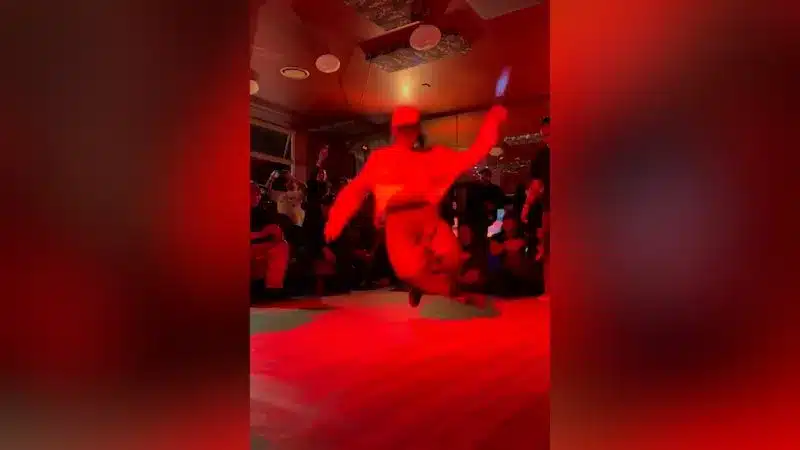
The intense energy of competitive breakdancing filled the venue as dozens of B-boys and B-girls showcased their skills at the recent Concrete Waves event. This highly anticipated competition saw breakers from various backgrounds go head-to-head across nine demanding rounds, each vying for the ultimate title.
The Art of Breakdancing: A Test of Skill and Creativity
Breakdancing, also known as breaking or B-boying/B-girling, is a dynamic street dance style that originated in the Bronx, New York, during the 1970s. It is characterized by its athletic and improvisational nature, incorporating elements such as toprock (upright dancing), downrock (footwork close to the floor), power moves (acrobatic feats like windmills and flares), and freezes (poses that halt motion). Competitions like Concrete Waves are crucial platforms for these artists to demonstrate their mastery of these elements, alongside their unique style, musicality, and ability to interact with their opponent’s performance.
Concrete Waves: A Gruelling Competition Format
The Concrete Waves event adopted a rigorous format designed to push participants to their limits. The competition unfolded over nine distinct rounds, a structure that demands exceptional stamina, consistency, and adaptability from every breaker. Each round typically involves a series of one-on-one battles, where dancers take turns performing routines in response to the music and the preceding performance of their opponent. Judges evaluate various criteria, including technical execution, originality, power, flow, and overall presentation. The progressive nature of the nine rounds ensures that only the most resilient and skilled dancers advance, culminating in a final showdown that crowns the champion.
Key Elements Judged in Breakdancing Battles
In a high-stakes event like Concrete Waves, judges meticulously assess several key components to determine the winner:
- Execution: The precision and cleanliness of movements, including footwork, power moves, and freezes.
- Originality: The uniqueness of an individual’s style, choreography, and approach to the dance.
- Power Moves: The execution of dynamic, acrobatic elements that require significant strength and control.
- Flow and Musicality: The dancer’s ability to connect movements seamlessly with the rhythm and beat of the music, creating a cohesive performance.
- Stage Presence: The dancer’s confidence, charisma, and ability to engage the audience and judges.
- Battle Dynamics: How well a dancer responds to their opponent, adapting their performance to counter or complement the other’s moves.
The Significance of Breakdancing Events
Events like Concrete Waves play a vital role in the global breakdancing community. They provide:
- A Platform for Talent: Offering aspiring and established breakers a stage to compete, gain recognition, and potentially launch professional careers.
- Cultural Preservation: Helping to maintain and evolve the art form, ensuring its traditions are passed down while encouraging innovation.
- Community Building: Bringing together dancers, fans, and artists from diverse backgrounds to share their passion and foster a sense of camaraderie.
- Inspiration: Showcasing the dedication, discipline, and creativity involved in breakdancing, inspiring new generations to take up the art form.
Looking Ahead: The Future of Breakdancing
With breakdancing’s recent inclusion in the Olympic Games, events like Concrete Waves are gaining even more prominence. The competition not only serves as a thrilling display of athletic prowess and artistic expression but also contributes to the growing legitimacy and global reach of breakdancing as a recognized sport and art form. The dedication and passion evident in each battle at Concrete Waves underscore the vibrant future of this captivating dance style.
