

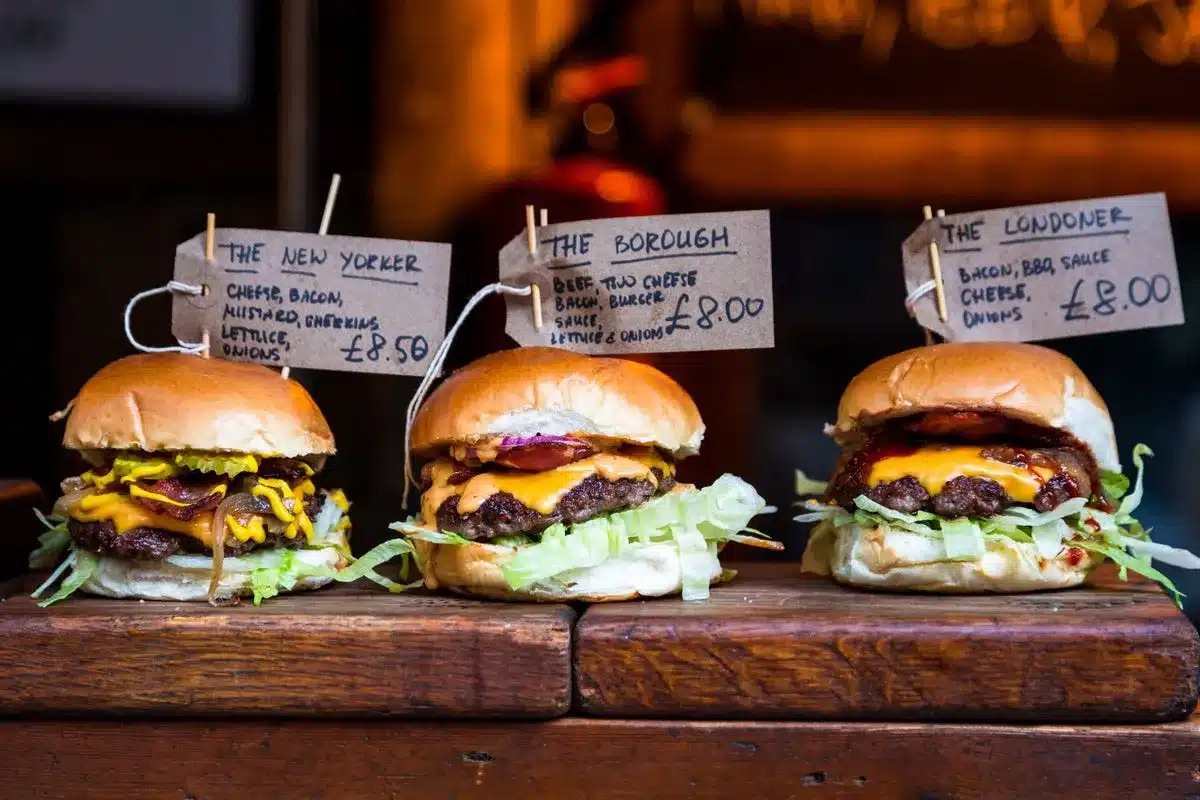
Mastering the barbecue can feel like a culinary tightrope walk, balancing the heat of the coals with the delicate cooking of your food. From coals that refuse to cooperate to fish that stubbornly adheres to the grill, many home cooks face a moment of mild panic. Fortunately, seasoned professionals who cook over fire for a living offer valuable insights to elevate your grilling game. These experts share their secrets for achieving perfect results, whether you’re cooking fish, vegetables, or meat.
Unlock Flavor: Treating Flame as an Ingredient
Dom McCourt, a butcher at Northfield Farm, emphasizes that flame itself is a crucial ingredient in barbecue cooking. “Everything is enhanced when cooked on fire,” he states. While any cut of meat can benefit, those with a good amount of fat are ideal, as the rendering fat creates a dynamic interaction with the flame, imparting that signature barbecue flavor. McCourt advocates for charcoal over gas, describing charcoal grilling as an intuitive process that, while potentially intimidating initially, offers superior flavor payoff once mastered. He advises investing in good quality charcoal for a better taste and longer burn time. Crucially, he stresses the importance of hot coals, recommending a chimney starter to achieve the necessary heat quickly. “Hot coals give you a proper sear, while also helping to prevent the black smoke that gives food an ashy, bitter flavour,” McCourt explains. He notes that while UK food culture has evolved, barbecuing still lags behind global traditions where cooking over fire is deeply ingrained.
Mastering Heat Zones for Versatile Cooking
Matt Tarantini, executive chef at Elliot’s, highlights the art of controlling heat zones on the grill. “Learning to control the fire and use the elements to your advantage is an art, but one that you can master with some practice,” he says. Tarantini discusses charcoal choices, noting that while restaurants might use long-burning, eco-friendly briquettes, lumpwood is often practical for home use. His key strategy involves creating distinct heat zones: a direct heat area over the charcoal and a cooler zone, perhaps with smoldering logs, for slower cooking. This allows for versatility, such as cooking smoky harissa lamb ribs low and slow. Vegetables, he notes, are transformed by fire. He suggests charring courgettes directly over coals before finishing them in a cooler zone, or grilling halved leeks until tender. Even potatoes can be wrapped in foil with aromatics and cooked directly in the coals for a crisp finish. “Barbecue cooking is so versatile, so go wild,” he encourages.
The Nuances of Grilling Fish
Chef Tom Cenci of Applebee’s stresses the importance of heat management when grilling fish. Unlike meat, which often benefits from an aggressive sear, fish requires a more delicate approach, typically medium-high heat. “If your coals are too intense, the outside will char before the delicate centre is cooked, leading to a dry, uneven result,” he warns. Cenci identifies overcooking as the most common mistake, as fish cooks rapidly. He advises watching it closely until it’s just opaque and flakes easily, remembering that it will continue to cook slightly after removal from the heat. He is also a proponent of indirect heat, using a cooler zone on the grill to slowly cook larger or thicker fish, akin to roasting with a smoky essence.
Low and Slow for Deeper Flavor, Southeast Asian Style
Andy Oliver, chef and co-founder of Kolae, advocates for medium, steady heat for grilling, particularly for Thai and Southeast Asian cuisines. This approach allows grill flavors to develop and fats to render without overcooking delicate proteins. He points out that Southeast Asian marinades, featuring ingredients like fish sauce, coconut cream, and palm sugar, pair exceptionally well with open-fire cooking. Oliver describes his restaurant’s signature kolae dishes—skewers basted in rich coconut sauce—as examples of multi-stage marination and slow grilling that yield smoky, juicy results. A unique tip he shares is using spent coconut grounds in the fire, which imparts a subtle, sweet smoke distinct from traditional wood smoke.
Embracing Vegetables and Fire-T Cooking
Cynthia Shanmugalingam, chef-proprietor of Rambutan, champions the inclusion of more vegetables on the barbecue. She describes the exciting process of cooking over fire, which differs significantly from using an oven. While Sri Lankan cuisine doesn’t have a strong grilling tradition, fire cooking is fundamental, often involving clay pots over flames. Shanmugalingam adapts traditional curry flavors using marinades and dry rubs for grilled meats, suggesting a pork marinade with Sri Lankan black pepper, cumin, ginger, garlic, and a touch of sweetener. She strongly encourages grilling vegetables, noting how their sugars caramelize beautifully over the fire, creating delicious results with ingredients like aubergine, corn, and broccoli. “Often, if you go to someone’s house for a barbecue it’ll be the meat that gets the focus, but vegetables can be just as delicious,” she asserts.
Recipes to Put Lessons into Practice
To illustrate these expert techniques, two recipes are provided. The first, Charred Courgettes with Burnt Lemon and Za’atar by Ed Smith, showcases how to grill courgettes briefly for a tender-crisp texture. The recipe involves tossing courgette wedges in oil, skewering them, and grilling over high heat until blistered and browned. Simultaneously, lemon halves are placed cut-side down on the barbecue to soften and caramelize. The cooked courgettes are then tossed with burnt lemon juice, olive oil, chili, herbs, and za’atar. This dish can be enhanced with cheese and is adaptable to summer squash or even prepared in a griddle pan.
The second recipe is Spiced Lamb Burgers by Jenny Chandler. This simple yet flavorful burger combines minced lamb with finely diced banana shallots and baharat spice mix. The mixture is seasoned to taste after frying a small test patty. For best results, the burgers are divided into six patties and chilled for at least an hour to help them hold their shape during cooking. They are then grilled for approximately 4-5 minutes per side until firm and cooked through. Variations include seasoning with thyme and smoked paprika for a Spanish twist, or lemon zest and oregano for a Greek flavor profile.
Conclusion: Elevate Your Barbecue Experience
By incorporating the advice from these culinary experts, home cooks can move beyond the common barbecue pitfalls and achieve consistently delicious results. Understanding heat management, utilizing different heat zones, treating flame as an ingredient, and giving vegetables the attention they deserve are key takeaways. Whether you’re searing a steak, grilling delicate fish, or caramelizing vegetables, these techniques offer a pathway to a more flavorful and enjoyable outdoor cooking experience.
