

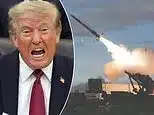
The United States has conducted a significant series of ballistic missile strikes targeting Iranian radar systems and military assets, marking a major escalation in the ongoing regional conflict. The strikes, numbering around a dozen, were concentrated along the coast of the Strait of Hormuz, a critical maritime chokepoint. This action follows recent Iranian strikes on American bases located in Jordan.
US Central Command Confirms Retaliatory Action
US Central Command (CENTCOM) confirmed the retaliatory strikes, stating that the military is “hitting back hard” against the Iranian regime. The operation is framed as a direct response to the attacks on American facilities in Jordan over the weekend. The precise timing and scope of the strikes underscore the rapidly evolving and volatile security situation in the Middle East.
Heightened Security Warnings Issued to US Citizens
In parallel with the military actions, U.S. embassies in several Middle Eastern nations issued urgent security warnings to American citizens residing in or traveling through the region. Embassies in Qatar, Israel, and Jordan alerted their citizens to a complex and potentially dangerous security environment. These warnings highlighted the possibility of sudden and significant escalations in tensions.
The advisories urged U.S. nationals to maintain a high level of vigilance. They were also advised to prepare for a range of potential travel disruptions, including:
- Possible flight cancellations.
- Airspace closures.
- Other unforeseen travel impediments.
These warnings reflect the heightened state of alert and the unpredictable nature of the current geopolitical climate. The U.S. government is prioritizing the safety of its citizens abroad by providing advance notice of potential risks and advising preparedness.
Strategic Importance of the Strait of Hormuz
The targeting of assets along the Strait of Hormuz carries significant strategic implications. This narrow waterway is vital for global oil transportation, with a substantial percentage of the world’s crude oil passing through it daily. Any disruption or threat to navigation in this region can have immediate and far-reaching economic consequences, impacting global energy markets and international trade.
The U.S. military’s focus on radar systems and military infrastructure in this area suggests an effort to degrade Iran’s ability to monitor and potentially interfere with maritime traffic. This move could be interpreted as a defensive measure aimed at securing freedom of navigation while also signaling a readiness to counter perceived threats to regional stability.
Background of Escalating Tensions
The recent exchange of strikes represents a dangerous escalation in a conflict that has been simmering for some time. The attacks on U.S. bases in Jordan, which resulted in casualties and damage, provided the immediate justification for the latest U.S. military response. However, these events are part of a broader pattern of increasing hostility and proxy conflicts involving Iran and its regional adversaries, often with broader geopolitical implications.
Analysts suggest that the current situation is exceptionally precarious, with a risk of miscalculation leading to wider conflict. The involvement of multiple regional and international actors adds layers of complexity, making de-escalation efforts challenging. The U.S. administration has emphasized its commitment to protecting its interests and allies in the region, while also seeking to avoid a full-scale war.
International Reactions and Diplomatic Efforts
While specific international reactions are still emerging, the escalation is likely to draw significant attention from global powers and international bodies. The United Nations and key diplomatic players are expected to call for restraint and renewed efforts to mediate the conflict. The potential for a wider regional war remains a grave concern for the international community, given the interconnectedness of the Middle East’s political and economic landscape.
Diplomatic channels are likely to be intensely active in the coming days, with efforts focused on preventing further military engagements and finding pathways toward de-escalation. The effectiveness of these diplomatic initiatives will be crucial in determining whether the current cycle of violence can be broken.
Looking Ahead: Preparedness and Uncertainty
The immediate future remains uncertain, with both sides potentially assessing their next moves. The U.S. military’s stated intent to continue responding forcefully to attacks on its interests suggests that further actions are possible if provocations continue. Simultaneously, the warnings issued to U.S. citizens underscore the tangible risks faced by individuals in the region.
The strategic strikes on Iranian assets, particularly those near the Strait of Hormuz, signal a firm U.S. resolve. However, the broader implications for regional stability and the potential for retaliatory actions by Iran or its proxies remain significant concerns. The situation demands careful monitoring and a continued focus on diplomatic solutions to avert a larger conflagration.
