

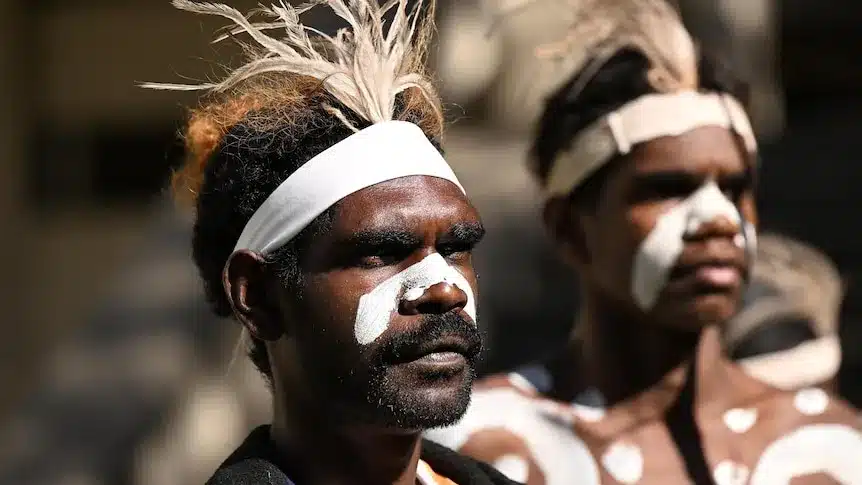
After a protracted struggle spanning decades, the Waanyi people have officially reclaimed ownership of Boodjamulla National Park, a significant return of ancestral lands in outback Queensland. The park, renowned for its stunning natural beauty and rich paleontological history, will now be managed under a co-management agreement, allowing the Waanyi people to reconnect with their heritage and country. This landmark handback signifies a profound moment for the Waanyi community, who have maintained a deep spiritual and cultural connection to the land for over 30,000 years.
A Long-Awaited Homecoming for Boodjamulla
Boodjamulla National Park, situated approximately four hours northwest of Mount Isa, is a jewel of Queensland’s outback, attracting over 20,000 visitors annually. Its attractions include the iconic Lawn Hill Gorge and the World Heritage-listed Riversleigh fossil deposits, which offer invaluable insights into ancient life. The formal return of more than 247,000 hectares of this significant landscape to the Waanyi people marks the culmination of a long and arduous journey for recognition and custodianship.
Hayley Iles, chair of the Waanyi Prescribed Body Corporate (PBC), described the handback as a “long-awaited homecoming.” She articulated the deep emotional significance of the event, stating, “The land breathes again.” Ms. Iles emphasized the enduring efforts of past generations, noting, “Our elders fought very long to let everyone know that this is our country. This is our land. This is where we do our practices.” The validation of their ownership by the broader community, she added, is profoundly important, anticipating that the ceremony would be an emotional experience, likely involving “a little bit of crying.”
The Meaning and Significance of Boodjamulla
The name Boodjamulla itself holds deep cultural meaning, translating to “rainbow serpent country.” This ancient landscape is characterized by dramatic gorges and life-giving waterways that carve through the vast surrounding plains. For generations, the Waanyi people experienced dispossession, leading to protracted and often challenging battles to assert their rights and connection to their ancestral territories.
A pivotal moment in their advocacy occurred in 1994 when Waanyi people, alongside other native title groups, occupied Boodjamulla for three weeks. This protest aimed to secure greater involvement in the management of both the national park and the adjacent Century Mine. The visibility of Lawn Hill Gorge, famously featured in Tourism Australia’s “Crocodile Dundee” advertising campaign, brought national attention to the region.
Building Momentum for Land Rights
Ms. Iles highlighted that the 1994 protest, followed by another in 2002, played a crucial role in building momentum for their cause. “Our elders negotiated with people from Carpentaria Land Council, lawyers, anthropologists to get royalty payments out of Century Mine,” she explained. “That was the start of it.” These efforts laid the groundwork for formal negotiations, which commenced in 2020 between the Waanyi Native Title Aboriginal Corporation and the Queensland government, ultimately leading to the park’s return.
The land transfer occurred in three stages, with the final portion being completed in January of the current year. Boodjamulla’s history includes its transformation from a cattle station into a national park in 1984, with subsequent expansions in 1992.
A Unique Co-Management Model
Under the agreement, Boodjamulla National Park will be leased back to the Queensland government. Karrell Ross, executive director at the Department of Tourism, Science and Innovation, described this arrangement as “very unique.” A key component of the agreement includes “funding in perpetuity,” ensuring ongoing resources for the park’s management. This model establishes a shared responsibility between the department and the Waanyi PBC.
A board of management, featuring equal representation from both parties, will oversee the park’s operations, fostering a collaborative approach. “It’s about working together,” Ms. Ross stated. Visitors to Boodjamulla National Park are unlikely to notice significant immediate changes in terms of access or services. The fundamental shift lies in the official recognition of the land as Aboriginal land.
Shared Expertise in Park Management
Ms. Ross elaborated on the practical implications of the co-management, explaining that visitors will see both Queensland Parks and Wildlife Service (QPWS) rangers and Waanyi rangers working in tandem. This collaboration involves the sharing of diverse knowledge, with Waanyi people contributing their deep cultural understanding of the area and QPWS offering their expertise in land management practices. This synergistic approach aims to enhance the conservation and cultural preservation of Boodjamulla.
A Testament to Resilience and Enduring Spirit
For Hayley Iles, the formal handback ceremony represents a profound triumph, acknowledging the immense effort and time invested by the Waanyi people. She noted the significant attendance of family members traveling from across New South Wales and the Northern Territory, underscoring the widespread importance of this event. “I have family travelling from New South Wales and the Northern Territory… families are coming from all over, so I am jumping out of my skin,” she expressed.
However, the joy is tempered with a sense of loss for those elders who fought tirelessly for this day but are no longer present to witness it. “There is a bit of sadness, because there was a lot of our elders that fought for us to be doing what we’re going to be doing [today], who are now gone,” Ms. Iles shared. She concluded by viewing the achievement as a powerful testament to “the resilience, patience and enduring spirit of our elders and our ancestors.” The return of Boodjamulla National Park is not merely a transfer of land but a powerful affirmation of cultural continuity and the enduring strength of the Waanyi people.
