

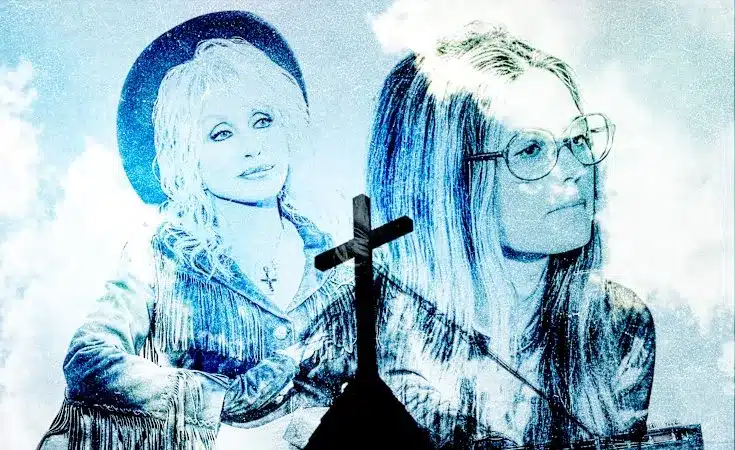
A recent gathering of Anglican women at St Peter’s Cathedral in Adelaide highlighted a persistent struggle for equality within religious institutions. The conference, attended by approximately 100 women, focused on workshops and discussions rather than public spectacle. Attendees, many in comfortable shoes, engaged in conversations that touched upon faith, influence, and the ongoing challenges women face in asserting their authority within the church.
Dolly Parton: An Unlikely Faith Leader
The spirit of the gathering was notably uplifted, partly due to a toast made to the recently deceased Dolly Parton. Parton, a global icon, often spoke of her faith and saw herself as a preacher, albeit outside traditional pulpits. Her mission, she stated, was to make people happy, lift them up, and glorify God, emphasizing love, tolerance, and inclusion. This aspect of her message, however, was frequently overlooked by media reports that focused more on her glamour and persona.
The article draws a parallel between Parton’s broad appeal and the often-unacknowledged influence women have had in faith, even when denied formal church authority. It points out the irony of conservative men who enjoy Parton’s music while holding views on female submission and voting rights that contradict her inclusive message. This highlights a broader theme: women have long held divine authority, even if the church has been slow to recognize it.
The Enduring Struggle for Ordination and Recognition
Despite some progress, the fight for women’s full participation in religious life continues. Many denominations, notably Sydney’s Anglican Diocese, still do not ordain women as priests. A recent report on the Canberra-Goulburn Diocese also revealed the difficulties women clergy face in establishing and maintaining their positions. This struggle often goes unnoticed by mainstream feminist movements, which may view the church as resistant to change, worry about religion being used to oppress women, or simply lack patience with faith-based institutions.
Gloria Steinem, a prominent feminist figure, once described religion as “politics in the sky,” reflecting a common secular perspective on religious institutions. However, the women at the Adelaide conference, facing significant opposition and questioning of their authority and ministry, represent a quiet but determined movement for emancipation and basic equality. Their fight, the author suggests, is one of the longest in Western feminism.
Historical Roots of the Fight for Women’s Rights
The quest for women’s equality in religious spheres echoes historical movements for broader civil rights. The Seneca Falls Convention in 1848, the first national women’s rights conference in America, produced a Declaration of Sentiments demanding equal social, civil, and religious rights. Key demands included the right to vote, legal equality (especially for married women), family and divorce rights, equal access to education and professions, and crucially, an equal voice and participation in religious institutions.
In the 1890s, Elizabeth Cady Stanton co-edited The Woman’s Bible, challenging interpretations that supported female subservience. This work, though controversial even among suffragists, argued against the church’s claims of immutable truths regarding women’s roles. The need for such arguments persists today, particularly when considering the rise of online misogyny and the “manosphere.”
Connecting Contemporary Issues to Historical Struggles
The article critiques contemporary political discourse, such as comments by Nationals leader Matt Canavan blaming a “feminised curriculum” for online toxicity. It argues that a more relevant examination involves looking at the historical and ongoing exclusion of women from positions of authority, particularly within religious contexts. The simultaneous campaigns for suffrage and religious equality in the past are linked to the present-day resistance encountered by women in faith communities.
Stanton’s observation that the difference lies in whether degrading ideas about women originate from men or from God remains pertinent. The pervasive influence of individuals with limited exposure to female authority in their upbringing underscores why pushback from religious men can be so intense. This resistance stems from a fundamental belief that women do not possess authority in the same way men do, a belief that permeates cultural attitudes beyond religious circles.
A Call for Reformation and Inclusion
Bishop Sophie Relf-Christopher, an organizer of the Adelaide conference, described the mood as “jubilant,” emphasizing perseverance. She stated that attendees are unwilling to cede the church to those who do not support the full and equal worth of women, especially when Jesus’s teachings championed inclusion. The goal is to prevent the church from being a place where girls and women are coerced or controlled.
Relf-Christopher extended an invitation for women who have left the church to return and participate in a “new reformation.” She posited that any theology requiring women to be permanently grateful, un-ordained, quiet, or endlessly available is incompatible with the message of Jesus Christ. Patriarchy, she asserted, is not synonymous with Christ’s ideas but rather with oppressive systems like the Roman Empire.
In conclusion, the article draws a contrast between the divisive rhetoric sometimes found in public discourse and the inclusive, compassionate faith exemplified by figures like Dolly Parton. Her approach, rooted in embracing everyone, stands in stark opposition to ideologies that promote division or devalue empathy. The ongoing efforts of women within religious communities are framed not just as a fight for gender equality, but as a vital struggle to uphold the core tenets of compassion and universal worth.
