

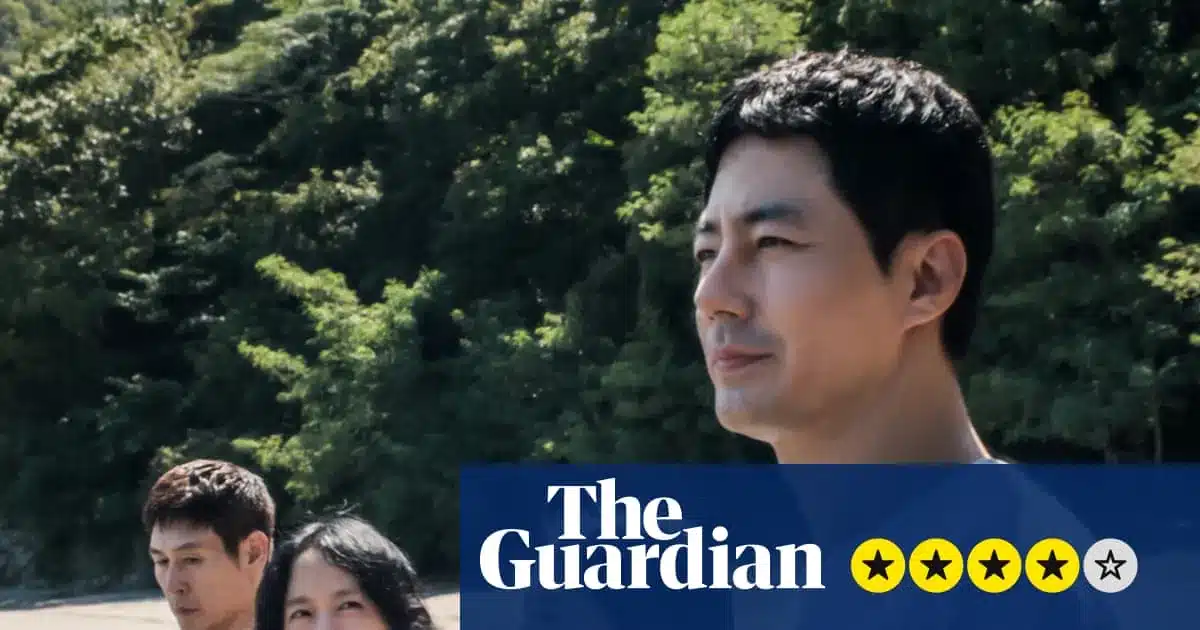
Acclaimed Korean filmmaker Lee Chang-dong returns to the cinematic landscape with Possible Love, his first feature in eight years. This meticulously crafted film offers a profound and novelistic exploration of exploitation, friendship, and the complex dynamics between two couples from vastly different socioeconomic backgrounds. The narrative unfolds with an expansive scope and intellectual depth, treating its audience with respect by presenting intricate themes without oversimplification.
A Tale of Two Couples
At the heart of Possible Love are Mi-ok (Jeon Do-yeon) and Ho-seok (Sul Kyung-gu), a married couple grappling with profound unhappiness and financial hardship. Ho-seok, embittered and struggling with a drinking problem, is haunted by the devastating aftermath of a factory strike that cost him his job. His despair is palpable, particularly following the suicide of a former colleague.
Their lives intersect with Ye-ji (Cho Yeo-jeong) and Sang-woo (Zo In-sung), a wealthy and fashionable couple. Ye-ji is an independent documentary filmmaker focused on social injustices, while Sang-woo, a hedge fund manager, is hinted to have played a role in the factory’s closure, the very event that precipitated Ho-seok’s downfall. The film subtly contrasts their lives, noting that Ye-ji and Sang-woo opt for a dog rather than children, a stark difference from Mi-ok and Ho-seok’s young son.
The Art of Exploitative Friendship
Ye-ji, ever the shrewd documentarian, identifies Mi-ok and Ho-seok’s story as a compelling narrative for her film. With an almost predatory charm, she initiates a relationship with the struggling couple, inviting them on lavish outings and even a vacation to Sang-woo’s opulent family estate, complete with a private beach. This calculated approach is what Sang-woo terms her “method acting” in befriending interview subjects, a description Ye-ji vehemently rejects, insisting, “I’m trying to love these people.”
Her documentary work involves intrusively filming the couple’s lives, capturing their struggles and vulnerabilities. Mi-ok finds a sense of catharsis in sharing their experiences, feeling a degree of ownership over their narrative. Ho-seok, however, remains more reserved, perhaps due to the sheer pain of their past or an acute awareness of the painful disparity between their lives and those of their affluent benefactors.
Subtlety and Ambiguity
Director Lee Chang-dong navigates the relationship between the two couples with remarkable neutrality and judiciousness. He refrains from immediately delving into the full satirical potential of Ye-ji and Sang-woo’s seemingly benevolent yet fundamentally exploitative friendship. The film deliberately avoids the conventional trajectory where the documentary is completed, and the subjects become unwilling public figures.
Instead, Possible Love opts for a far more nuanced and subtle conclusion. The title itself signals this hesitancy and conditional nature. The film suggests the possibility of rekindling love between Mi-ok and Ho-seok, and questions whether Ye-ji’s professed affection for them might evolve into genuine empathy. The overarching theme is one of potential and the uncertain future of love, both romantic and altruistic. It is a somber, bittersweet, and elegantly rendered cinematic experience.
Artistic Merit and Performances
The film is distinguished by its superb acting, particularly from Jeon Do-yeon and Sul Kyung-gu, who embody their characters’ despair and resilience with profound authenticity. The flashback sequences, offering glimpses into the characters’ earlier lives, are moments of pure cinematic brilliance. While these scenes are phased out relatively early, their impact resonates throughout the film, highlighting the lost potential and the enduring connection between the past and the present.
Possible Love is characterized by its fluency and verve, even as it grapples with moments of contrivance and self-awareness. The film’s exploration of irony and comedy is handled with a delicate touch, never overpowering the central themes of social inequality and the complexities of human connection. Lee Chang-dong’s direction is masterful, weaving together disparate elements into a cohesive and thought-provoking whole.
Conclusion
Possible Love stands as a testament to Lee Chang-dong’s directorial prowess, offering a sophisticated and emotionally resonant narrative. It challenges viewers to consider the ethics of representation, the nature of empathy, and the enduring possibility of love in the face of adversity. The film’s quiet power lies in its refusal to offer easy answers, instead inviting contemplation on the intricate tapestry of human relationships and societal divides.
