

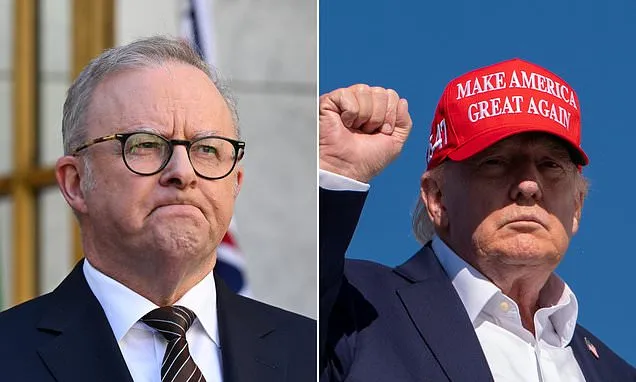
Australia is introducing significant new digital safety legislation that could compel major social media platforms to offer users greater control over their feeds and implement stricter measures against harmful content. The proposed laws, spearheaded by the Albanese government, have drawn both domestic criticism and international attention, including remarks from former US President Donald Trump.
Australia’s Proposed Digital Duty of Care
At the heart of the proposed legislation is a ‘digital duty of care’ aimed at enhancing online safety for all Australians. Under these new regulations, social media companies would be mandated to adhere to minimum safety standards. A key provision, referred to as the ‘My Feed, My Way’ initiative, would require platforms to provide users with a choice regarding their content feeds. Users could opt to receive content curated by algorithms or select a chronological feed consisting solely of posts from accounts they follow.
Furthermore, the laws would oblige digital service providers to actively protect users from a range of harmful content. This includes material that promotes eating disorders, misogynistic viewpoints, pornography, and the glorification of criminal activities. The legislation also addresses more severe issues such as child sexual exploitation, grooming, incitement of sexual violence, terrorism support, drug use, and violent conduct. Special attention is also being paid to protecting younger users from addictive design features and harmful content.
Companies failing to comply with these new safety standards could face substantial penalties, with potential fines reaching up to $100 million. These proposed changes build upon existing Australian regulations, such as the ban on social media use for individuals under 16.
Risk Assessments and Enforcement
The draft bill mandates that digital service providers conduct regular risk assessments to identify potential harms arising from their content and design features. These assessments must be made available to the eSafety Commissioner upon request, within a 30-day timeframe. The legislation also empowers the eSafety Commissioner with enhanced enforcement capabilities, including the authority to issue removal notices for certain applications and websites, and to streamline processes for addressing child cyberbullying and adult cyber abuse.
Domestic Opposition and Concerns
The proposed laws have not been without their critics within Australia. Members of the opposition and the One Nation party have voiced concerns, labelling the proposal an overreach of government power. A central point of contention is the provision that grants the communications minister the authority to define what constitutes ‘harmful content’ online. Nationals leader Matt Canavan argued that governments should not possess the power to control social media content, emphasizing the importance of free expression in a democratic society. Opposition leader Angus Taylor echoed these sentiments, suggesting the laws could lead to censorship of the internet.
Government’s Response and Rationale
Prime Minister Anthony Albanese has refuted claims of censorship, asserting that the legislation is designed to empower individuals by giving them more control over the content they consume online. He stated, “It’s about giving people control themselves over what they see.” The government maintains that the primary objective is to foster a safer online environment and to hold tech companies accountable for the content hosted on their platforms.
International Reaction
The proposed Australian regulations have also garnered attention internationally. A spokesperson for the former Trump administration indicated that the US government had previously cautioned other nations against implementing measures that target American technology firms. The statement highlighted a commitment to addressing such issues with trading partners, suggesting that former President Trump had warned against digital services taxes, fines, and other forms of ‘extortion’ directed at the US tech sector.
Balancing Safety and Freedom
The debate surrounding Australia’s new social media laws highlights a growing global challenge: how to balance the need for online safety and the protection of vulnerable users with the principles of free speech and open access to information. The legislation seeks to place greater responsibility on platforms to mitigate harm, while critics worry about potential government overreach and the impact on digital expression. The outcome of these proposed laws could set a precedent for how other nations approach the complex landscape of digital regulation.
The core of the ‘My Feed, My Way’ initiative is to present users with a clear choice upon their initial engagement with social media platforms. This choice would involve selecting between an algorithmically curated feed, designed to personalize content based on user behavior and preferences, or a chronological feed that displays posts strictly from followed accounts. This aims to provide users with a more transparent and potentially less manipulative online experience.
The government’s stance is that the current algorithmic systems can inadvertently amplify harmful content and create echo chambers, negatively impacting mental health and societal discourse. By offering an alternative, users can regain a degree of agency over their digital consumption. The requirement for platforms to actively protect users from seriously harmful material, including illegal content and material that encourages dangerous behaviors, underscores the government’s commitment to creating a safer digital public square.
The success of these laws will likely depend on their effective implementation and enforcement, as well as the ongoing dialogue between the government, technology companies, and the public. The potential fines serve as a significant incentive for platforms to invest in robust safety mechanisms and user-centric design choices. As Australia navigates these changes, the global community will be watching closely to see how these ambitious regulations shape the future of social media interaction.
