

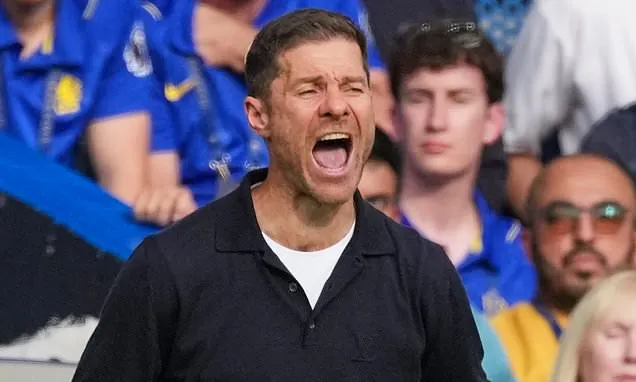
Chelsea’s attacking prowess, while often spectacular, was ultimately undermined by persistent defensive frailties in a dramatic 2-2 draw against Hull City. Despite showcasing moments of brilliance that have characterized their recent matches, the Blues conceded twice, highlighting a vulnerability that has been a recurring concern. This result serves as a stark reminder that consistently relying on outscoring opponents is an unsustainable strategy in the Premier League.
Defensive Lapses Prove Costly
The match saw Hull City take a significant lead, only for Chelsea to mount a comeback. The opening goal for Hull came in the 28th minute, stemming from a defensive misjudgment. A long ball launched from the left flank by Ryan Giles, which Malo Gusto failed to intercept, bounced in front of Chelsea defender Jorrel Hato. Hato’s inability to deal with the bounce allowed the ball to loop over him, setting up Mohamed Belloumi to score past goalkeeper Emiliano Martinez. This marked the 20th consecutive Premier League fixture where Chelsea had failed to keep a clean sheet, their last coming in a January victory against Brentford.
The equalizer seemed to galvanize Hull City. Their second goal arrived just six minutes later, in the 34th minute, following a corner. After Semi Ajayi’s header struck the crossbar, the rebound fell to Belloumi. A chaotic scramble in the Chelsea six-yard box, involving two deflections, saw the ball find the net again, giving the visitors a 2-1 advantage. The Hull supporters celebrated enthusiastically, their chants reflecting a buoyant start to the season.
Attacking Brilliance Not Enough
Chelsea had shown flashes of their attacking potential early on. Morgan Rogers opened the scoring for the Blues in the sixth minute, continuing a trend of quick goals in their opening fixtures. However, Hull’s resilience and Chelsea’s defensive shortcomings meant the lead was short-lived. The team’s attacking strength, often spearheaded by their dynamic forwards, has been a key feature of their play, but it could not compensate for the defensive lapses on this occasion.
The equalizer for Chelsea came while trailing 2-1. Cole Palmer played a crucial role, carrying the ball down the left flank before setting up Joao Pedro. The Brazilian forward delivered a clinical finish, demonstrating the form that earned him Premier League Player of the Month honors. This goal, typical of his quality, salvaged a point for Chelsea and prevented a home defeat.
Tactical Adjustments and Late Pressure
Following the first-half defensive issues, Jorrel Hato was substituted at halftime. Manager Xabi Alonso sought to address the team’s defensive structure and introduce fresh impetus. In the latter stages of the match, Chelsea pushed for a winning goal, with Alonso introducing further attacking options, including Danny Welbeck and Estevao. Despite their efforts and sustained pressure, Hull City maintained a solid defensive shape, employing a low block that proved difficult to penetrate.
The visitors held firm, successfully weathering Chelsea’s late surge. This outcome suggests that while Chelsea possesses significant attacking talent, their defensive vulnerabilities remain a critical area needing improvement. The draw leaves questions about the team’s long-term consistency and ability to secure results when their attack doesn’t completely dominate.
Hull’s Resilient Performance
Hull City’s performance underscored their strong start to the season. The team demonstrated organization, discipline, and an ability to exploit opportunities. Their ability to take a lead against a top Premier League side and defend it resolutely speaks to their tactical approach and team cohesion. The fans’ passionate support, including chants referencing winger Sorba Thomas’s unusual journey to the ground, highlighted the positive atmosphere surrounding the club.
Despite the challenge of maintaining a lead against Chelsea’s potent attack, Hull City’s structure and determination were evident. Their ability to absorb pressure and limit Chelsea’s clear-cut chances in the final minutes was commendable. The result, a hard-earned draw, further solidifies Hull’s position and signals their intent in the top flight.
Conclusion: A Point Gained, But Lessons Learned
Ultimately, the 2-2 draw between Chelsea and Hull City was a game of contrasting strengths. Chelsea’s attacking flair secured them a point, but their defensive shortcomings were once again exposed. For Hull City, the draw represents a significant achievement, showcasing their capabilities as a competitive Premier League side. The match serves as a critical juncture for Chelsea, emphasizing the urgent need to address their defensive vulnerabilities to build upon their attacking successes and achieve greater consistency.
