

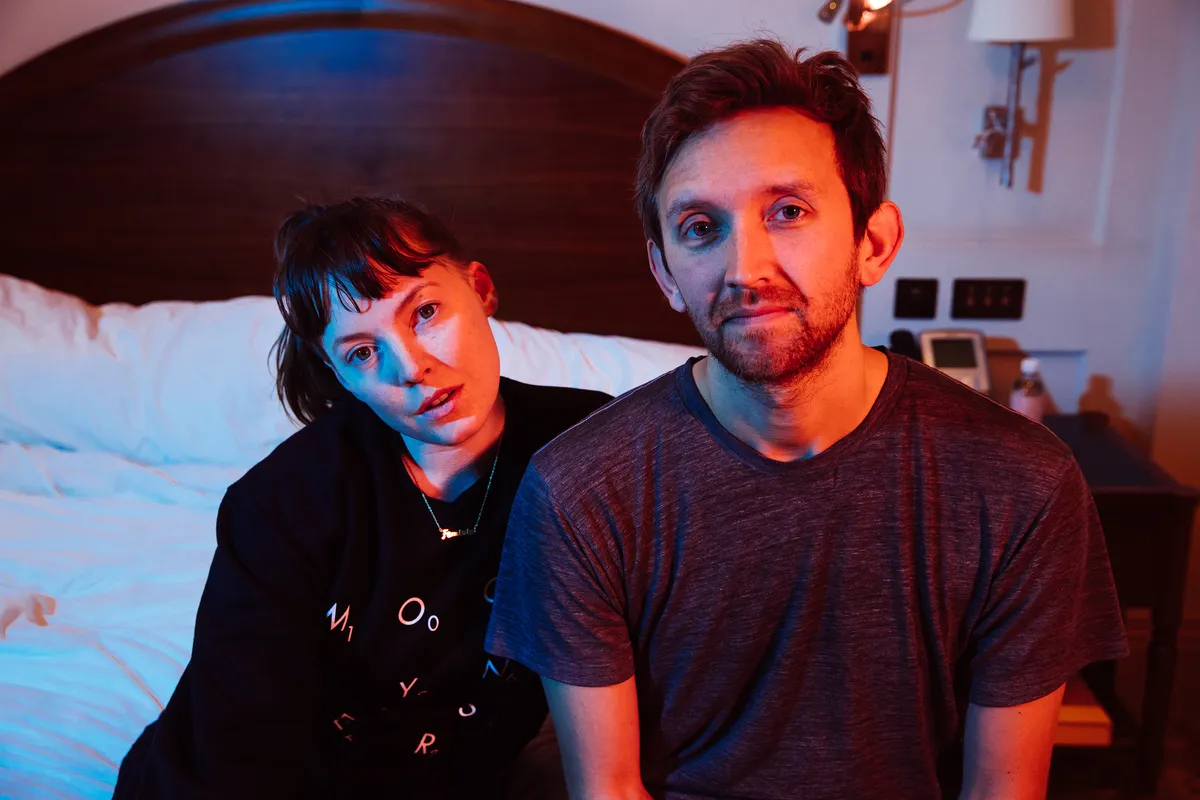
Electropop duo Sylvan Esso has announced their return to Spotify after a year-long boycott, citing financial pressures that make it unsustainable to remain off the platform. The decision, revealed in a direct-to-camera Instagram post, stems from the need to continue employing their team.
Financial Realities of Remaining Off Spotify
Amelia Meath, one half of the North Carolina-based band, explained that while removing their music from Spotify for the past year felt personally fulfilling, it presented unforeseen financial challenges. “It’s become more and more apparent that if we are going to continue to employ everyone that we employ it is unsustainable for us not to be on that platform, so we are going to put it [our music] back up on there,” Meath stated. The band’s decision highlights the complex economic landscape faced by independent artists and their support staff in the digital music era.
Meath emphasized that the band’s core political and ethical stances have not wavered. “I don’t fucking like it and I’m really frustrated by this reality,” she expressed, conveying a sense of reluctance and disappointment with the situation. The sentiment underscores a broader debate within the music industry regarding fair compensation and the dominance of major streaming services.
The Dominance of Spotify and Artist Support
The band’s return acknowledges the significant market share held by Spotify, which accounts for a substantial portion of music streaming. Meath noted that 82% of streaming occurs through the platform, a statistic that underscores its crucial role in an artist’s reach and potential revenue. This reality forces many artists, even those with strong convictions, to re-evaluate their participation on the platform.
Sylvan Esso expressed gratitude to their fans who supported them during the boycott. In the caption accompanying the Instagram post, the band encouraged continued support for independent music platforms and physical retailers. “You can still listen and support independent places like @bandcamp, @qobuz, @subvertworld, and of course your favorite local record stores,” the post read, offering alternatives for fans wishing to support the duo and the broader independent music ecosystem.
Sylvan Esso’s Recent Work and Industry Context
Sylvan Esso, comprised of Amelia Meath and Nick Sanborn, recently released their fifth studio album, Ow ∞, last week. The album was released via their own label, Psychic Hotline. Their debut album arrived in 2014 under the Partisan Records label. The band’s journey reflects the ongoing tension between artistic integrity, financial viability, and the pervasive influence of major streaming platforms in the contemporary music industry.
The Broader Debate on Streaming Economics
The decision by Sylvan Esso to return to Spotify is emblematic of a larger conversation about the economics of music streaming. Many artists and industry professionals have voiced concerns about the low per-stream royalty rates offered by major platforms, arguing that they disproportionately benefit major labels and superstar artists while making it difficult for independent musicians and their teams to earn a sustainable living. The boycott by Sylvan Esso, while financially challenging, was a statement against these perceived inequities.
Platforms like Bandcamp have been lauded for their more artist-friendly revenue models, often taking a smaller percentage of sales and offering direct-to-fan purchasing options. Similarly, services like Qobuz focus on high-fidelity audio and a curated experience, appealing to a dedicated segment of music listeners. However, the sheer volume of users on Spotify means that opting out entirely can significantly limit an artist’s exposure and potential income, even when considering alternative revenue streams like touring, merchandise, and direct fan support.
The dilemma faced by Sylvan Esso is one that resonates across the independent music community. It forces a difficult choice between adhering to personal principles and ensuring the financial health of their operation, including the livelihoods of the people they employ. The band’s candid explanation serves as a testament to the complex realities artists navigate in an industry increasingly shaped by digital distribution and algorithmic influence. Their return, though perhaps reluctant, underscores the immense power and reach of Spotify, and the ongoing struggle for fair compensation models in the streaming age.
