

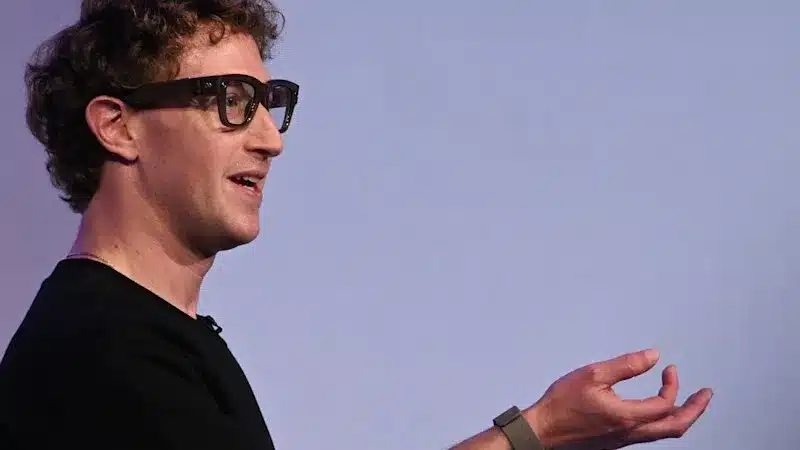
Western Australia is set to implement a ban on smart glasses in all public school classrooms, a move aimed at bolstering the privacy and safety of both students and educators. The prohibition, announced by Education Minister Sabine Winton, will take effect at the commencement of Term 4. This decision addresses growing concerns over the potential for these devices to be used for surreptitious recording and live-streaming of activities within educational settings.
Understanding Smart Glasses and Their Capabilities
Smart glasses, a category of wearable technology that integrates computing capabilities with a visual display, have become increasingly sophisticated. Unlike traditional eyewear, these devices can capture video, audio, and still images, often with minimal outward indication. Some models possess the ability to transmit this captured data in real-time, effectively allowing for live-streaming of events without the explicit consent of those being recorded. This functionality has raised significant privacy alarms within the education sector.
Rationale Behind the Classroom Ban
The primary driver for the ban is the protection of individuals from unauthorized recording. Education Minister Sabine Winton highlighted that the increasing affordability and accessibility of smart glasses necessitate proactive measures to prevent their misuse. “The ability of these devices to record and live-stream without the knowledge or consent of students and staff is a serious concern,” Winton stated. “We need to ensure our classrooms remain safe and respectful environments where privacy is paramount.”
The potential for misuse extends beyond simple recording. Concerns include the possibility of students or visitors using the technology to bully, harass, or intimidate others, or to capture sensitive information about school operations or individuals that could be shared inappropriately. The live-streaming capability, in particular, presents a risk of immediate and widespread dissemination of private moments.
Scope and Implementation of the Ban
The ban will apply to all public schools across Western Australia and is scheduled to begin at the start of Term 4. This means that from the beginning of the next academic term, students and staff will be prohibited from using smart glasses within classroom environments. The specific details regarding enforcement and any potential exemptions are expected to be communicated to schools in the lead-up to the implementation date.
While the announcement focuses on public schools, it is anticipated that independent and Catholic schools within the state may also consider adopting similar policies to address the same privacy concerns. The broader implications for wearable technology in educational settings are likely to be a topic of ongoing discussion.
Broader Implications and Future Considerations
The decision by Western Australia to ban smart glasses in classrooms reflects a growing global conversation about the ethical and practical challenges posed by rapidly advancing technology. As wearable devices become more integrated into daily life, educational institutions, workplaces, and public spaces are grappling with how to balance innovation with the fundamental right to privacy.
This ban is not necessarily a permanent prohibition on all forms of technology in schools, but rather a targeted response to a specific device capability that poses a clear and present risk to privacy. The education department will likely continue to monitor technological advancements and may revisit policies as new devices emerge or existing ones evolve.
Educators and policymakers face the ongoing challenge of staying abreast of technological developments and their potential impact on learning environments. The goal is to foster an environment that embraces beneficial technologies while mitigating those that could compromise safety, privacy, or the integrity of the educational process. The implementation of this ban is a significant step in ensuring that technological integration in schools prioritizes the well-being and privacy of all members of the school community.
Protecting Privacy in the Digital Age
The move by Western Australia underscores a critical issue: the need for robust privacy protections in an increasingly connected world. The ease with which personal information and images can be captured and shared digitally demands careful consideration by lawmakers and institutions. By proactively addressing the potential for misuse of smart glasses, the state is taking a stand for the privacy rights of its students and teachers.
As technology continues to evolve, such policy decisions serve as important precedents. They highlight the necessity for ongoing dialogue between technology developers, educators, parents, and government bodies to ensure that technological advancements serve societal benefit without undermining fundamental rights and safety.
