

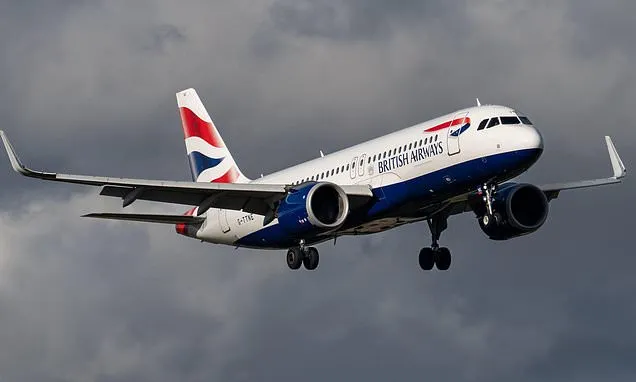
The question of passenger compensation for flight disruptions caused by air traffic control system failures has come to the forefront following a recent spate of technical issues. On a Monday, numerous flights in and out of the UK faced cancellations and significant delays due to an unspecified technical problem at a National Air Traffic Services (NATS) control center. Data from aviation analytics firm Cirium indicated that by the close of that day, at least 227 flights had been canceled, impacting thousands of travelers.
Understanding the Impact of Air Traffic Control Failures
Air traffic control systems are the linchpin of modern aviation, ensuring the safe and efficient movement of aircraft. When these systems experience technical issues, the ripple effect can be profound. Beyond the immediate cancellations and delays, passengers often face a cascade of problems, including missed connections, lost luggage, unexpected accommodation costs, and significant personal inconvenience. The recent incident highlighted the vulnerability of these critical infrastructures and the substantial disruption they can cause to holiday plans and business travel.
The sheer volume of canceled flights—227 in a single day—underscores the scale of the problem. This figure represents not just the flights that never took off, but also the complex web of logistical challenges that follow. Airlines must rebook passengers, manage crew schedules, and deal with aircraft positioning, all while facing increased operational costs. Passengers, meanwhile, are left stranded, often with little immediate recourse or clear information about when their travel can resume.
Current Passenger Rights and Compensation Frameworks
In many jurisdictions, including the UK and the European Union, passengers have established rights when flights are canceled or significantly delayed. These regulations, such as the UK’s Civil Aviation Authority (CAA) rules and the EU’s Regulation (EC) No 261/2004, typically mandate compensation for delays or cancellations caused by factors within the airline’s control. This can include technical faults with the aircraft itself, staffing issues, or operational decisions made by the carrier.
However, the situation becomes more complex when the disruption stems from third-party infrastructure failures, such as those affecting air traffic control. Regulations often distinguish between ‘extraordinary circumstances’—events outside the airline’s control—and issues that airlines are expected to manage. While airlines are generally required to provide care and assistance (like meals, accommodation, and re-routing) during significant delays, cash compensation for the disruption itself may not always be applicable if the cause is deemed extraordinary.
The Role of Air Traffic Control Providers
NATS, the UK’s leading air traffic service provider, is responsible for managing air traffic across the UK’s airspace. Its operations are critical for the safety and efficiency of aviation. When technical issues arise within its systems, it directly impacts the capacity of airports and the ability of airlines to operate their scheduled flights. The question then becomes whether the entity responsible for the failure, even if unintentional, should bear some responsibility for the passenger’s resulting losses and inconvenience.
The argument for compensation from air traffic control providers centers on the idea that they are essential service providers whose failures have direct and significant financial and personal consequences for a vast number of people. Unlike airlines, which can sometimes absorb costs or pass them on, passengers often bear the brunt of these disruptions through lost holiday time, non-refundable expenses, and additional costs incurred while stranded.
Arguments for and Against Compensation
Proponents of passenger compensation argue that it is a matter of fairness and accountability. They contend that when a critical service provider experiences a failure that cripples air travel, passengers who have paid for a service that is subsequently unavailable due to that failure should be compensated for their losses. This could include:
- Reimbursement for additional expenses incurred (e.g., hotel stays, meals, alternative transport).
- Compensation for the loss of holiday time or missed events.
- A recognition of the significant inconvenience and stress caused by the disruption.
Furthermore, some argue that financial penalties would incentivize air traffic control providers to invest more heavily in robust, resilient systems and contingency planning, thereby reducing the likelihood of future failures. It could also encourage greater transparency and proactive communication with both airlines and the public during such events.
Conversely, opponents or those cautious about mandating compensation raise several points. One primary concern is the potential financial strain on air traffic control organizations, which are often publicly funded or operate under strict regulatory and financial frameworks. Mandating compensation could lead to:
- Significant financial liabilities that could impact operational budgets and future investments in infrastructure.
- Potential increases in the cost of air traffic services, which could ultimately be passed on to airlines and then to passengers through higher ticket prices.
- The challenge of defining the scope of ‘chaos’ and ‘outages’ that warrant compensation, potentially leading to complex legal disputes.
- The difficulty in attributing fault and quantifying damages, especially when multiple factors might contribute to a delay or cancellation.
It is also argued that airlines already have obligations to passengers under existing regulations, and that the primary responsibility for managing passenger welfare during disruptions, regardless of the cause, often falls to them. The complexity of the aviation ecosystem means that pinpointing ultimate financial responsibility can be challenging.
The Path Forward: Policy and Public Opinion
The recent disruptions have reignited the debate about who should be responsible when air traffic control systems fail. Public opinion, as reflected in polls and passenger feedback, often leans towards greater accountability for service providers whose failures cause widespread disruption. The desire for compensation stems from a fundamental expectation that the services paid for should be delivered, and when they are not, due to systemic issues, there should be a mechanism for redress.
Policymakers and aviation authorities face the challenge of balancing passenger rights with the operational and financial realities of air traffic management. Potential solutions could involve:
- Reviewing and potentially updating existing regulations to clarify responsibilities in cases of air traffic control system failures.
- Exploring insurance or compensation funds specifically designed to cover disruptions caused by critical infrastructure outages.
- Encouraging greater collaboration and information sharing between air traffic control providers, airlines, and regulatory bodies to improve resilience and communication.
- Implementing stricter performance standards and oversight for air traffic control services.
Ultimately, the goal is to ensure a more resilient aviation system that minimizes disruptions and provides fair treatment to passengers when unforeseen events do occur. The conversation around compensation for air traffic control outages is not just about financial reimbursement; it’s about ensuring accountability, fostering trust, and improving the overall travel experience for millions of people.
Conclusion: A Call for Clarity and Fairness
The recurring technical issues plaguing air traffic control systems necessitate a clear and robust framework for passenger compensation. While airlines bear certain responsibilities, the direct impact of NATS failures on flight operations demands a closer examination of accountability for the service provider. The debate highlights the need for a system that is both resilient and fair, ensuring that passengers are not left to bear the full burden of disruptions caused by failures in critical national infrastructure. As the aviation industry evolves, so too must the regulations and expectations surrounding passenger rights in the face of systemic failures.
