

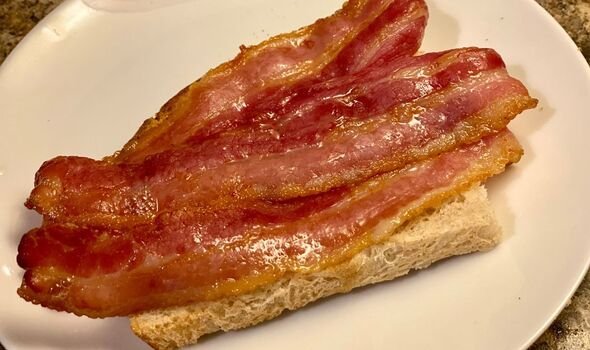
Bacon adds flavor to countless dishes, from creamy scrambled eggs and burger toppings to quiches, baked potatoes, or even pancakes for a sweet-savory twist. Preferences vary between evenly crispy, well-rendered strips and chewier versions. For consistent crispy results, testing different cooking methods reveals clear winners and trade-offs.
Cooking Bacon in a Frying Pan
This traditional approach involves heating a pan over medium heat and laying bacon strips in a single layer, typically fitting about four slices. Cook for eight to 10 minutes, flipping frequently and adjusting heat to prevent burning. The result offers a slight crisp but leans chewier overall, ideal for those who avoid overly crunchy textures. However, adding oil prevents sticking, leading to greasy outcomes and splatters on the stovetop that require cleanup.
Air Fryer Bacon Preparation
Air fryers provide hands-off cooking at 180°C. Arrange up to three slices vertically in the basket and cook for about seven minutes, flipping midway. This yields varied textures—some chewy sections alongside crispy, rendered parts—making it suitable for texture enthusiasts. While convenient, it limits batch size, though it excels for smaller portions without constant monitoring.
Oven-Baked Bacon Technique
Preheat the oven to 180°C fan and line a baking tray with parchment. Place bacon strips flat and bake for around 20 minutes, turning halfway. This method delivers uniform crispiness across multiple slices, allowing large batches with minimal effort and no mess on surfaces. It stands out for reliability and ease, though it requires more time than quicker alternatives.
Overall Comparison and Recommendation
Among the options, oven baking produces the crispiest, most consistent bacon with hands-free operation and easy cleanup. Despite the longer cook time, it balances quality and convenience best for everyday use.
