

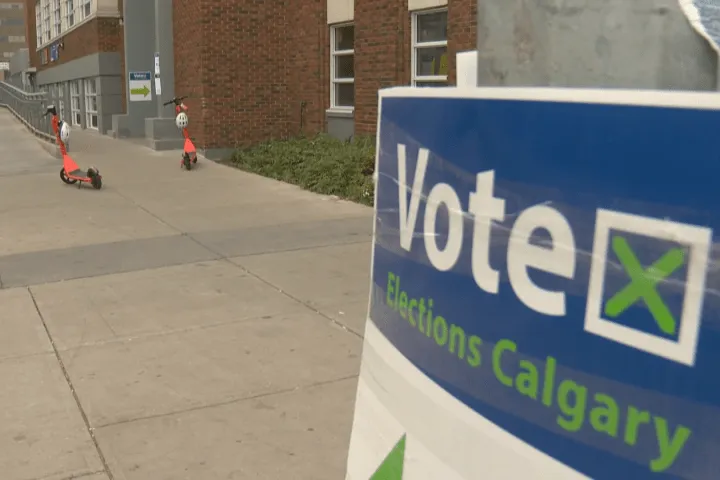
Calgary Mayor Jeromy Farkas proposes a city-wide plebiscite to question the portion of property taxes directed to the provincial government. City council discussed responses to the latest provincial budget during a special meeting.
Provincial Budget Impacts Calgary Residents
The Alberta government unveiled its 2026 budget last week, featuring a $9.4 billion deficit and a $200 million rise in property taxes allocated for education. This year, the province anticipates collecting $3.6 billion in education property taxes, with $1.2 billion from Calgary and $639 million from Edmonton.
Combined with the city’s approved 1.6 percent property tax increase from last year, typical Calgary homeowners face an extra $388 annually, while average commercial properties see a $2,945 hike in 2026.
Council Members Voice Frustrations
“Asking any question of Calgarians is very serious, but we want to continue to fight for our fair share,” Farkas stated after the meeting.
Ward 6 Coun. John Pantazopoulos highlighted disparities: “The fact that Calgarians are paying double what the City of Edmonton pays, there’s something wrong there.” He added, “I think it’s a bit disappointing.”
Data shows the provincial requisition from Calgary surged 58.6 percent over four years. Farkas noted, “We’ve seen nowhere near a 60 per cent boost in the services or the infrastructure that the City of Calgary receives from the province.”
City officials reported unaddressed funding requests, including cost-sharing for Prairie Economic Gateway utilities and transportation, expanded low-income transit passes, and matching funds for mental health and addictions strategies.
Provincial Investments and Rebuttals
However, the province increased funding for the Affordable Housing Partnership Program and approved 14 new schools in Calgary. Garrett Koehler, spokesperson for Alberta’s education minister, stated that Calgary’s major school boards receive $2.24 billion in operating funds this year, with 45 school projects underway and $144 million for charter schools.
“So clearly the province is investing far more than it receives from Calgarians, back into the city’s school system,” Koehler said. The province also acknowledges the mayor’s push for tax transparency.
Ward 13 Coun. Dan McLean remarked, “I’m not here to defend the province. But everybody asked for more teachers, more schools, more supports, and that comes at a cost.”
Plebiscite and Response Options
Farkas suggested separate bills to distinguish municipal and provincial taxes, with the provincial portion bolded on statements. Officials confirmed legislation blocks multiple bills.
Some councillors criticized the meeting as unproductive. Ward 14 Coun. Landon Johnston called it “just performative, we didn’t really accomplish anything today.”
Lori Williams, associate professor of policy studies at Mount Royal University, explained municipalities’ limited jurisdiction: “There’s a lot of latitude for the province, and not much… jurisdictionally.” She added that political pressure remains viable.
Farkas referenced a 2021 provincial referendum on equalization payments. City chief returning officer Kate Martin estimated six months and over $12 million for a plebiscite. “At this point, we’re just asking questions,” Farkas concluded. No formal motion emerged.
