

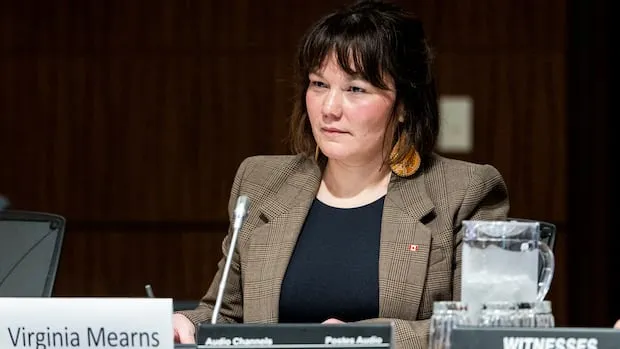
Virginia Mearns, Canada’s Arctic ambassador appointed last July, found herself at the forefront of a significant geopolitical development shortly after taking office. She played a key role in the opening of Canada’s new consulate in Nuuk, Greenland, following U.S. President Donald Trump’s threats to annex the territory. With growing global interest in the Arctic, Mearns anticipates an increasingly demanding agenda focused on enhancing military and diplomatic presence in the region.
Experiences in the Role
Mearns describes her appointment as a humbling experience. She aims to draw positive attention to the Canadian Arctic, foster stronger ties between northern communities and the rest of Canada, and build international relationships.
Key Priorities
Strengthening the voices of northern Arctic communities ranks high among her goals, particularly on the international stage. Mearns seeks to provide real-time insights into community realities and highlight the achievements of Indigenous and Inuit groups. “One focal point that I’m hoping to be able to achieve is strengthening the voice of our northern Arctic community members, especially at the international level,” she stated.
Nuuk Consulate Opening
The recent opening of the consulate in Nuuk drew strong support from Canadian Inuit organizations, demonstrating solidarity with Greenland’s Inuit population. Mearns noted the close ties between the two regions, with many Canadian Inuit reconnecting with friends and family in Nuuk. “It was an incredibly special gesture on the part of Inuit leadership from Canada to demonstrate solidarity with Inuit in Greenland,” she said. This event underscored the message of mutual support and enhanced the official launch.
Inuit-Government Relations
Decades of efforts by Inuit leaders have bolstered ties with the federal government, evident in structures like the Inuit-Crown partnership committee. This framework addresses shared priorities, including Arctic foreign policy, which paved the way for the Nuuk consulate. Mearns views the consulate’s establishment as a testament to Inuit dedication and improving relations between the government and Arctic communities.
Response to Sovereignty Threats
As an Inuk woman, Mearns finds the U.S. rhetoric concerning, resurfacing colonial impacts for Inuit in Canada and Greenland. It generates anxiety in northern communities, particularly Nunavut, disrupting the region’s tradition of peace and collaboration. “The Arctic region has predominantly been an area of peace and collaboration,” she emphasized, while acknowledging ongoing reconciliation progress.
Future Initiatives
Mearns outlined commitments under the Arctic foreign policy, including sustained focus on security, sovereignty, science, research, and Indigenous knowledge. Her office prioritizes these areas, with a mandate finalization expected in spring, shaped by recent engagements with northern partners.
