

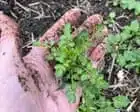
By March, many gardeners clear vegetable plots of weeds to ready them for spring planting. Yet, my own plot tells a different story, alive with a patchwork of colorful wild greens covering the soil. These plants offer a practical advantage: numerous weeds prove edible, turning from garden foes into valuable crops that bridge the hungry gap—the stretch between fading winter harvests and emerging spring yields.
Shifting Views on Common Weeds
Everyday names often undermine these plants’ appeal. Take hairy bittercress: despite its uninviting moniker, this fast-growing green thrives in disturbed soil and appears nearly everywhere. Harvest young for a zesty, refreshing boost to salads or sandwiches with egg mayo.
Stinging nettles carry a tougher reputation, thanks to childhood encounters with their prickly touch. Adults can turn the tables by harvesting generously. Grip firmly to minimize stings, or opt for gloves and scissors to snip tender tips and leaves. Cooked or steamed, nettles surpass spinach in taste, texture, and nutrients.
Easier-to-Love Options
Chickweed wins fans quickly with its crisp, pea-shoot texture. Fat hen delivers robust flavor as another welcome intruder. Dandelions, often dismissed for their diuretic effects and French nickname “pissenlit,” shine as prized salad greens across Europe.
Today, I prepare soil for radish seeds, scattering deep purple-brown pinches into shallow rows. Sun warms my bare neck for the first time, sparking eager anticipation common among dedicated growers. Nearby, a full basket of fresh weeds provides comforting abundance.
