

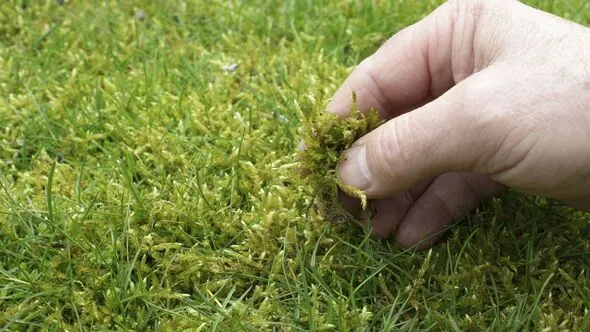
Short days, persistent rain, and cool temperatures provide perfect conditions for moss to dominate lawns. Vigorous grass normally outpaces moss by filling available space quickly. However, winter slows grass growth while moss continues to thrive. Factors like shade from low sunlight, waterlogged soil, compacted paths, and nutrient-deficient turf create an ideal environment for moss invasion.
Why Moss Thrives in Winter
Moss excels in shaded, damp areas where grass struggles. Compacted soil prevents root growth, and poor drainage keeps surfaces soggy. Lawns lacking nutrients become vulnerable, allowing moss to spread rapidly.
Natural Remedies for Light Moss
Baking soda and dish soap mixtures work well for minor moss patches. These options suit lawns with isolated issues but fall short against heavy infestations.
The Top Solution for Serious Moss Problems
Gardening specialist Josh from Lawn Care Pro recommends ferrous sulphate-based moss killers for severe cases. Apply the product directly to affected areas. Moss turns black or brown within two weeks, making it easy to identify remaining spots.
Remove dead moss using a spring-tine rake or lawn scarifier. The iron in ferrous sulphate dehydrates moss cells, even in wet soil, leading to its death.
Josh explained: “This kills the moss, but it can also harm grass if not applied carefully. Target moss-heavy areas precisely and use with caution.”
Alternative Products for Moss Control
Lawn sand, rich in iron, effectively suppresses moss. All-in-one blends combine moss killer, weed control, and fertilizer to boost lawn health while eliminating moss and weeds. Spread these using a spring-tine rake, then wait two weeks before raking out dead material.
Regular maintenance, including aeration and fertilization, prevents future moss growth and promotes thick, healthy grass.
