

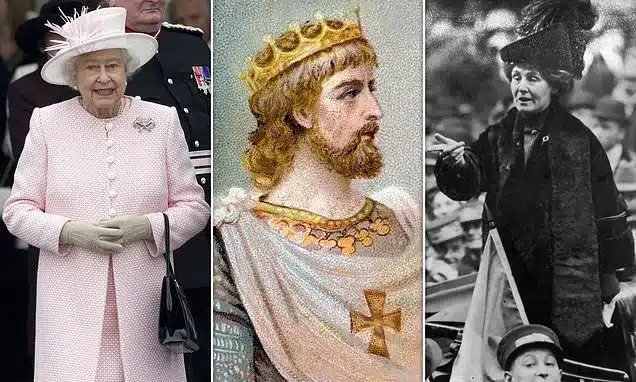
Queen Elizabeth II, suffragette leader Emmeline Pankhurst, and England’s first king Athelstan emerge as leading inspirations for names of Labour’s upcoming new towns. Elizabethtown ranks highest among proposals for these developments, designed to support the government’s target of 1.5 million new homes by 2029.
Key Name Suggestions
Other strong contenders include Pankhurst, honoring Emmeline Pankhurst’s pivotal role in securing women’s suffrage in the early 1900s, and Athelstan, who unified England as its first king from 925 to 939 AD. Officials have proposed additional options like Attleeton, named after former Prime Minister Clement Attlee, a champion of postwar town-building, and Seacole, recognizing Jamaican-British nurse Mary Seacole’s service in the Crimean War.
Three settlements lack clear names, prompting these creative submissions. Historically, UK new towns draw names from nearby villages or landmarks, such as Telford in Shropshire, honoring engineer Thomas Telford. Past efforts for bolder names, like Alseopolis for Letchworth, failed to gain traction.
Project Timeline and Scope
Next week, authorities announce sites for up to 12 new towns, selected by the New Towns Taskforce from 100 submissions across England. Regions like London, the South East, South West, and East England dominate the proposals, each site capable of hosting at least 10,000 homes.
The initiative carries an estimated cost exceeding £48 billion, with initial residents expected by the mid-2030s. Elizabethtown could mark the first fully new town since Milton Keynes in the 1970s. Most developments expand existing urban areas, though standalone settlements feature in some plans.
Design Commitments and Public Views
Government pledges emphasize distinctive designs, avoiding ‘cookie-cutter’ layouts criticized by then-Prince Charles, who developed Poundbury in Dorset. Guidelines mandate ample green spaces, walkable access to shops and jobs, reduced car commuting, and resident stakes in utilities like water through mutual societies.
Public skepticism persists. A YouGov survey conducted by the Royal Town Planning Institute reveals only 16% believe these towns will succeed in 50 years. Common descriptions include ’roundabouts,’ ‘boring,’ ‘bland,’ ‘concrete,’ ‘depressing,’ ‘ugly,’ and ‘soulless.’ Local consultations will shape final names and plans.
