

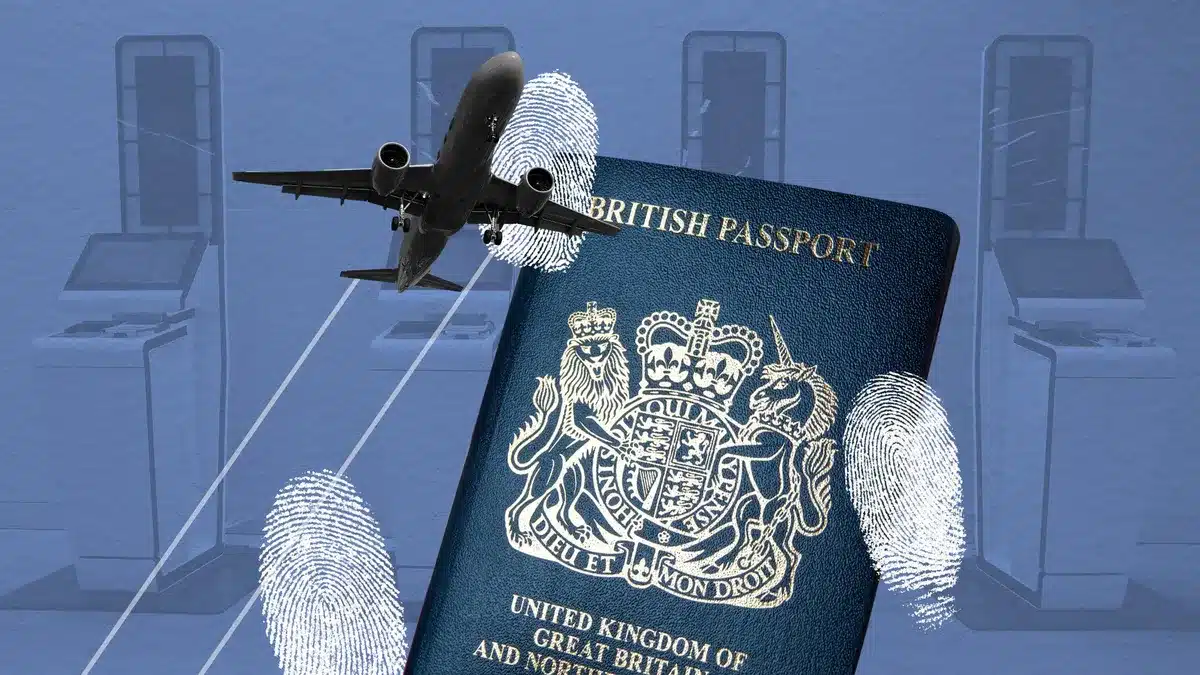
Holidaymakers heading to Europe face potential delays of up to four hours at airports this Easter due to the EU’s new biometric entry and exit system (EES). The system requires travelers from the UK and other non-EU countries to provide photographs and fingerprints at EU borders starting April 10.
Officials and travel experts recommend arriving earlier on both legs of the trip to account for queues at busy airports. Luke Petherbridge, director of public affairs at Abta, advises customers to prepare for delays by packing extra water and snacks.
Queues of up to two hours have already emerged at passport controls in some European countries since the phased rollout began late last year. Airline groups predict these waits could double during peak Easter and summer travel periods, exacerbated by possible IT issues, strikes, and staffing shortages.
What is the EES?
The EES replaces physical passport stamps with a digital system that records entry and exit data for non-EU visitors staying up to 90 days in a 180-day period. It aims to enhance border security and track overstays across the Schengen area.
How Does the System Work?
First-time visitors from non-EU countries must register passport details, fingerprints, and facial images at self-service kiosks. Subsequent trips involve biometric verification to streamline processing. Border agents also verify accommodation details, sufficient funds, insurance, and return tickets.
Children under 12 skip fingerprints but still require facial scans.
Where Do Checks Occur?
Checks typically happen at destination airports or ports. Exceptions apply at UK sites with shared borders: Port of Dover, St Pancras International, and Folkestone. Travelers complete EES there before ferries or trains to avoid repeat processing on the mainland.
The EES operates separately from the upcoming ETIAS, a travel authorization launching late 2026 for short stays in 30 European countries.
Launch Timeline and Impact
The system rolls out fully on April 10, coinciding with UK school half-term breaks and high family travel volumes.
Affected Countries
The EES covers 25 EU nations plus Schengen associates:
- Austria
- Belgium
- Bulgaria
- Croatia
- Czechia
- Denmark
- Estonia
- Finland
- France
- Germany
- Greece
- Hungary
- Iceland
- Italy
- Latvia
- Liechtenstein
- Lithuania
- Luxembourg
- Malta
- Netherlands
- Norway
- Poland
- Portugal
- Romania
- Slovakia
- Slovenia
- Spain
- Sweden
- Switzerland
Non-Schengen EU countries like Ireland and Cyprus continue manual stamping.
Exemptions
EU citizens, residents with EU permits or long-stay visas, and nationals of Andorra, Monaco, San Marino, or Vatican City avoid EES checks.
Launch Delay Reasons
EU authorities postponed the October 2025 debut amid fears of disruptions to travel and logistics from the untested technology.
Global Comparisons
Nations like the United States, Australia, Canada, New Zealand, China, and Saudi Arabia already use similar biometric border controls.
