

French officials convened in Paris with representatives from a U.S.-based organization advocating for the relocation of France’s remaining captive orcas, Wikie and her son Keijo, to a planned seaside refuge along Nova Scotia’s coastline. No final choice emerged from the discussions, as authorities continue to evaluate an alternative transfer to Spain’s Loro Parque zoo on the Canary Islands, a plan previously declined by Spanish regulators.
Decision Timeline Set for March
Mathieu Lefevre, France’s minister for ecological transition, announced that a definitive decision will arrive by the end of March. “The state is acting responsibly and methodically,” Lefevre stated. “No decision will be made without solid guarantees regarding animal welfare, respect for the law, and consideration of social issues and local communities.”
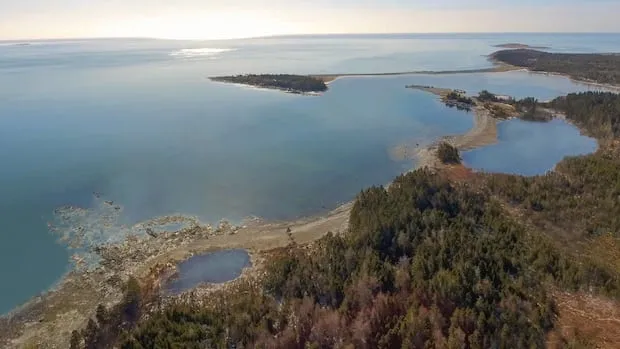
The Paris session enabled a detailed review of the Whale Sanctuary Project (WSP) initiative, which proposes constructing a 40-hectare enclosure—comparable in size to 50 football fields—featuring floating nets extending from the shoreline on Nova Scotia’s rugged eastern coast.
Sanctuary Details and Requirements
Experts emphasize that captive-raised orcas lack the skills for wild release. The WSP unveiled its concept in 2020 and secured provincial approval last October. Construction remains pending, alongside a required federal transfer permit from Canada’s Fisheries Department. The project must also secure approximately $15 million in private donations to renovate an existing wharf and erect the bay-anchored pens near Wine Harbour, Nova Scotia—a three-hour drive east of Halifax.
Timing proves critical, as the orcas, adapted to a temperate Mediterranean environment, require several months of adjustment before facing winter conditions.
Shifts in French Stance and Opposition
This engagement with WSP reverses a January 2025 rejection, when concerns over readiness and chilly ocean waters prompted dismissal. However, in December 2025, Lefevre designated the Nova Scotia option as the “only ethical, credible, and legally compliant solution,” though no formal pact existed then.
Marineland Antibes, the whales’ current facility in southern France, resists the transfer. The park shuttered in January 2025 to adhere to a 2021 national ban on holding cetaceans for entertainment—mirroring Canada’s 2019 prohibition. Operators report deteriorating pools, with images revealing algae-choked green water.
Spain halted the Loro Parque move in April 2025 after experts deemed the Tenerife facility inadequate in size. Lefevre noted, “This committee marks an important step in addressing this particularly sensitive issue. Given the lack of consensus among stakeholders, the ministry also wished to keep the solution proposed by Loro Parque in Spain in the discussion.”
The meeting gathered scientists, government delegates, regional leaders, and Marineland staff.
WSP’s Commitment to Transition
The Whale Sanctuary Project acknowledged Marineland’s preference for Loro Parque last week. On Monday, WSP affirmed its dedication, stating it remains “committed to supporting a responsible transition process.” Health evaluations precede any relocation, with the group adding, “We look forward to collaborating with the government of France and Marineland Antibes for the welfare of Wikie and Keijo.”
