

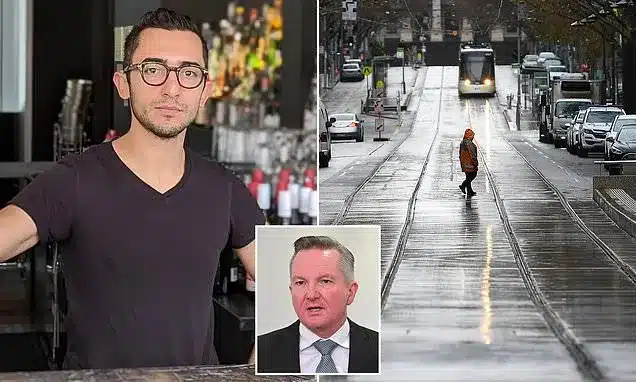
Melbourne business owners express alarm over proposals to mandate work-from-home arrangements amid Australia’s intensifying fuel crisis, fearing a repeat of COVID-era economic devastation.
Fuel Shortages Hit Hard Across States
Global supply disruptions from Middle East tensions have led to widespread shortages, with 187 petrol stations in New South Wales lacking diesel and 83 in Victoria facing similar issues. Petrol prices exceed $3 per litre in many areas, exacerbating pressures on consumers and businesses alike.
The International Energy Agency recommends fuel-saving measures, including working from home, to mitigate the strain. Energy Minister Chris Bowen endorses this approach, stating on a recent broadcast, “It’s a sensible thing to do… work from home has become an important part of Australian working life.” He notes that not everyone can work remotely but urges exploring options to reduce fuel consumption.
Business Owners Highlight Ongoing Struggles
Slate Bar Restaurant manager Ily Yildrim warns that such measures could cripple city businesses still recovering from Melbourne’s record 262-day COVID lockdowns. “We’re still seeing the effects of COVID because business has only gotten back to about 60 percent since pre-COVID levels,” Yildrim states.
Many central business district workers already skip Mondays and Fridays, prompting venues like Slate to close on Mondays and struggle on Fridays. “The proposed work-from-home idea to save petrol definitely won’t help,” Yildrim adds. “Rents aren’t going down but we have lost a lot of customers. It’s literally killing the business.”
To survive, Slate relies heavily on special events, as foot traffic remains nearly nonexistent. Rising supplier costs due to fuel prices compound the challenges. Yildrim calls for permanent government support, suggesting free public transport like Myki cards for several days weekly instead of stay-at-home orders. “Victoria is the hardest state to do business in; we need permanent help,” he emphasizes.
Expert Warns of Deeper Crisis Ahead
Macquarie University senior lecturer Dr. Lurion De Mello predicts fuel supplies could dwindle by April 13 if the Strait of Hormuz remains effectively closed due to insurance risks and tanker fears. “The Iranians are giving mixed messages… but it’s mostly the insurers who are not providing coverage,” De Mello explains.
Diesel prices, already nearing or exceeding $3 per litre in cities like Perth, pose the greatest threat to infrastructure, trucking, farming, mining, and renewables. “Seafood prices will go up, freight costs will rise—everything gets passed on,” he cautions. Panic buying and distributor prioritization of major networks are drying up independent stations first.
Bowen reassures that overall supplies hold steady, with petrol stocks at 38 days and diesel at 30 days. Refineries operate at full capacity for domestic needs, though regional deliveries remain challenging. The government attributes shortages to demand spikes from hoarding rather than supply failures.
