

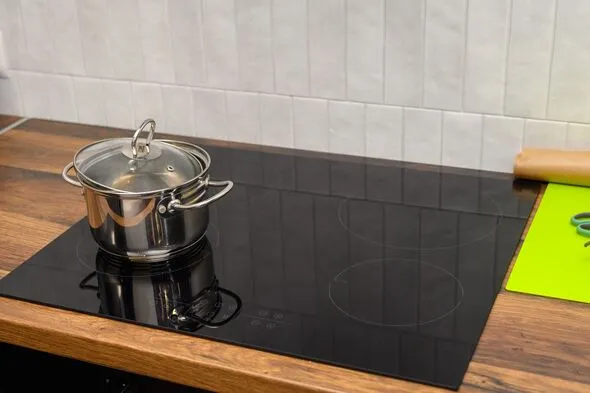
UK households equipped with induction hobs should invest 50p in a fridge magnet to perform a vital compatibility check on their cookware. The kitchen remains the home’s central hub, where daily meal preparation keeps these appliances in constant use.
How Induction Hobs Function
Induction hobs generate a magnetic field beneath the glass surface, inducing an electrical current in pots and pans to heat them directly. Compatibility requires a magnetic base, typically found in cast iron, carbon steel, or specific stainless steel varieties. Incompatible pans fail to heat efficiently, leading to energy waste, higher costs, and reduced cookware longevity.
Easy Fridge Magnet Test
A simple test uses a fridge magnet costing as little as 50p, available from online retailers. Place the magnet on the pan’s base: firm adhesion signals induction compatibility, while slippage indicates inefficiency.
Ryan Adams, director at Ati Harrogate and Miele kitchen expert, states: “To test if your cookware is suitable, use a refrigerator magnet. If it sticks firmly to the bottom of the pan, it’s likely induction-compatible. However, if the magnet slides off easily, the pan may not have strong enough magnetic properties for efficient heating.”
He adds: “Pans made from cast iron, steel, or some types of stainless steel are usually compatible, but materials like aluminium, glass, or ceramic will not work. When shopping for new cookware, bring a magnet to double-check the compatibility before buying.”
Avoid Common Pitfalls
Incompatible pans prevent proper heating, causing frustration. High heat on suitable pans like cast iron or stainless steel risks surface damage, non-stick wear, or discoloration. Undersized pans may evade detection by the hob, wasting energy. Budget options often warp, resulting in uneven cooking and premature replacement.
As the UK shifts toward electric hobs, including induction models, to support net-zero goals, compatible cookware ensures optimal efficiency. This quick test saves energy, money, and time while enhancing cooking performance.
Adams concludes: “If you use pans that are too small for the cooking zone, the cooktop may not detect them at all, wasting energy and time. Cheaper cookware can warp under high heat, leading to uneven cooking, and may even need replacement sooner, increasing your long-term costs. Investing in durable, induction-compatible cookware allows better performance and saves you money over time.”
