

Jury Begins Deliberations in Long-Awaited Murder Case
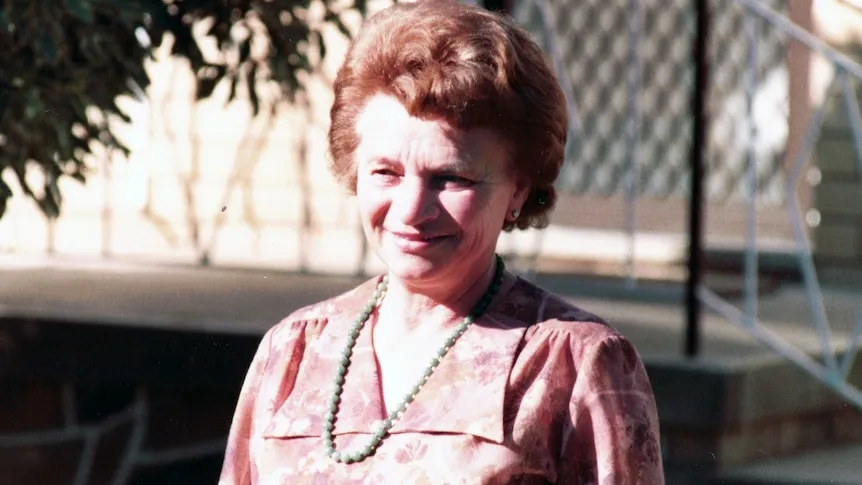
A jury in the ACT Supreme Court retires to deliberate on the fate of two Melbourne men charged with the 1999 murder of Canberra grandmother Irma Palasics during a brutal home invasion. Steve Fabriczy and Joseph Vekony face charges of murder, assault, and robbery after weeks of testimony from 53 witnesses, 14 statements or recordings, and 97 exhibits.
Justice David Mossop describes the task as “complex” and “substantial,” noting the challenges posed by the decades-long delay, lost evidence, and deceased key witnesses.
The 1999 Home Invasion
Irma Palasics, aged 73, and her husband Gregor suffered severe beatings, binding, and gagging during the invasion at their Canberra home. Attackers ransacked the property and stole $30,000 in cash from a hidden compartment under the oven. Gregor Palasics, who later passed away, reported two intruders—one assaulting him, the other his wife.
Irma Palasics died from injuries consistent with punches, kicks, impacts, and possible weapon strikes. A post-mortem could not pinpoint an exact cause of death. She lay face down when her husband freed himself to aid her.
Breakthrough After Decades
Investigators linked the crime to Fabriczy in 2023 via a DNA match on a milk bottle from the victims’ fridge. An undercover operation identified Vekony, leading to arrests. Vekony’s DNA appeared on a water container.
Prosecutors argue the men drove from Melbourne to Canberra for the robbery, consumed drinks observed by Gregor Palasics, took the cash, and returned. They arrived prepared for violence with duct tape, cable ties, and possibly a “jimmy” bar.
Defense Challenges Evidence
Fabriczy pleads guilty to burglary but claims he acted only as lookout, entering briefly to aid Vekony’s escape. His barrister, Skye Jerome, calls the prosecution “a weak, vague, tenuous circumstantial case” and questions DNA thoroughness.
Jerome accuses lead detective Craig Marriott of a “closed mind,” ignoring a 2000 confession from another man claiming presence but departure before violence. She suggests possible third-party involvement and DNA transfer via shared car travel.
Vekony denies visiting Canberra. His barrister, Travis Jackson, states police fixated on DNA: “DNA or bust.” Both defenses criticize forensic officer Clifton Frost for contamination risks at the scene and labs.
Prosecution Counters Defenses
Prosecutor Trent Hickey lists 40 key facts, detailing the couple’s injuries—broken noses and extensive bruising. He dismisses the third-person theory as a ploy for Fabriczy: “We suggest the third person theory is just that.” Fabriczy received $12,000, implying no split with others.
Hickey defends DNA strength: the milk bottle sample is “312 quintillion times more likely” from Fabriczy—a three followed by 20 zeros. The water jug sample is 61 sextillion times more likely from Vekony.
He highlights Fabriczy’s lies—17 times about Canberra visits—during an undercover meeting, admitting burglary only under pressure.
Jury’s Path Forward
The 12 jurors must sift through scientific and testimonial evidence. Complications include Fabriczy’s burglary plea and Vekony’s separate 1998 robbery charge at the same home. Deliberations promise intensity given the case’s age and intricacies.
