

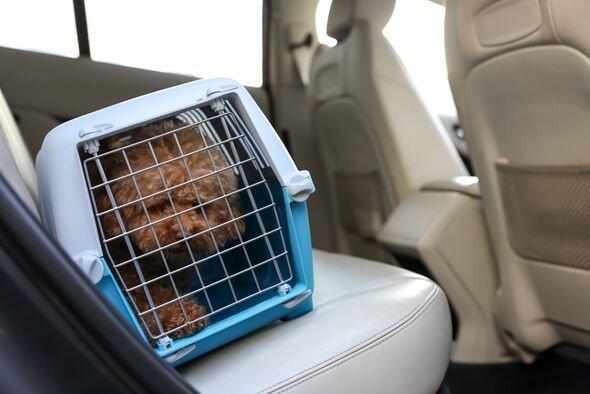
Abandoned Papillon Finds New Home After Microchip Disappointment
A delivery driver discovered a lost papillon dog during their route last month, sparking an emotional chain of events that highlights both animal welfare challenges and legal protections. After attempts to locate the owner through community outreach proved unsuccessful, local resident Shelly Straub offered to provide temporary shelter for the small canine.
A Bittersweet Rescue
Straub revealed the timing held personal significance: “My Marshmellow passed away in December 2022, and I hadn’t considered adopting another dog until now.” She named the rescue dog Benjamin and arranged for veterinary checks. “This felt like a meaningful coincidence during my grieving process,” she added.
Veterinary staff scanned Benjamin’s microchip expecting a routine reunion. However, they received a shocking four-word response when contacting the registered owner: “It’s not our dog.”
Questioning Responsibility
“I can sympathize with accidental escapes,” Straub commented, “but denying ownership when presented with microchip evidence raises serious concerns.” Veterinary analysis suggested the dog was approximately one year old based on dental examination.
Benjamin has now been formally adopted by Straub, who describes herself as “fully committed to providing lifelong care and protection.” After sharing Benjamin’s story online, hundreds responded with support. One viewer wrote: “He’s found true kindness with you – those eyes show how special he is.” Another added: “Thank you for ensuring this sweet soul gets the loving family he deserves.”
Understanding Microchipping Laws
Current UK regulations mandate microchipping for all dogs in England, Wales, and Scotland, with cat microchipping becoming compulsory in England this year. Northern Ireland requires microchips before issuing compulsory dog licenses.
Legal Requirements and Enforcement
Pet owners face potential fines of £500 for non-compliance with microchipping laws. The implantation procedure, typically costing £15-£25, must be performed by licensed veterinary professionals. The rice-sized electronic devices contain unique identification codes linked to owner registries.
Animal welfare organizations explain these chips enable swift reunification when scanned by authorized parties. “Microchips serve as permanent identification when collars fail,” stated one veterinary representative. “They’re crucial for holding owners accountable and protecting animal welfare.”
