

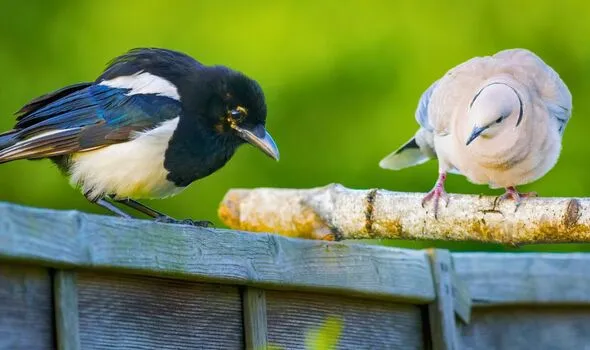
Magpies and pigeons often dominate bird feeders, intimidating smaller species like robins and sparrows in gardens. These larger birds forage in groups and grow territorial during winter when natural food sources dwindle. Small birds burn energy quickly to stay warm and risk starvation without reliable access to feeders.
Why Larger Birds Bully Smaller Ones
Bigger birds easily scare off robins, sparrows, and others due to their size advantage. In cold weather, berries and insects become scarce, heightening competition around feeders. Small birds need frequent meals to survive, pushing them toward dangerous foraging spots if excluded.
Simple Morning Solution
Fill bird feeders first thing in the morning to deter magpies and pigeons effectively. Gardening expert Rachel the Gardener, author of gardening books, recommends this approach. She states: “I always fill my feeders first thing in the morning. Every year, a few weeks into the cold weather, I come downstairs to find a row of blackbirds sitting on the fence, waiting for me. They fly away as soon as I open the door, and they take quite a few minutes to return, so they’re not exactly tame: but they certainly know when to expect the food.”
Small birds like robins have high metabolisms and seek food at dawn after chilly nights. Larger species activate later, foraging in groups. Early mornings offer quieter times, reducing intimidation for smaller visitors.
Enhance with Whistling
Whistle softly while refilling feeders to attract robins, mimicking their calls. Robins respond to defend territories and associate humans with food. Rachel the Gardener adds: “This is even more useful if you are lucky enough to have a regular robin or two in your garden: if you whistle a simple phrase every time you go out with the food, they will learn to expect you, and will appear when you whistle – which is just lovely!” Use a high-pitched, short, clear whistle consistently each morning.
Consistent early feeding boosts small bird visits without new equipment costs, keeping gardens welcoming for delicate species through winter.
