

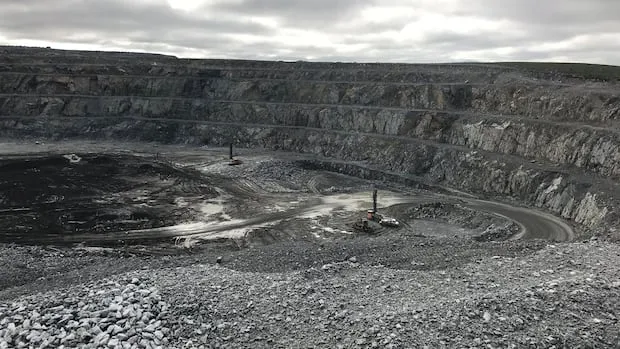
The Northwest Territories has prepared for the eventual closure of its diamond mines, but recent decisions by two of the three operating sites suggest operations could end ahead of schedule. Partners Mountain Province Diamonds and De Beers at Gahcho Kué have paused a planned expansion due to unfavorable diamond market conditions, with Mountain Province owing its partner $49 million. Meanwhile, the Ekati mine secured a federal relief loan in December, yet Burgundy Diamond Mines CEO Jeremy King warned that without a price rebound in the next six to 12 months, further funding would be essential to stave off bankruptcy.
Ekati currently targets closure in 2029, while Gahcho Kué aims for 2031, with no updated timelines released.
Labour Force Strain
“For years, we viewed early mine closures as a worst-case scenario and overlooked it somewhat,” stated Graeme Clinton, an economist at Impact Economics in Yellowknife. Sudden shutdowns would strain the territory’s workforce and underscore the urgency to diversify the economy, industry experts note.
Clinton explained that if Ekati and Gahcho Kué closed within a year of each other over the next two years, job losses could surge from hundreds to over 1,000 simultaneously. “Our economy’s capacity to absorb that labour volume grows tenuous,” he added. This scenario heightens the risk of population outflows, impacting housing, infrastructure, and government revenues.
Economic Diversification Push
Industry Minister Caitlin Cleveland highlighted that early closures would primarily affect payroll taxes, as displaced workers shift to lower-paying roles. “This poses a huge concern for meaningful employment,” she said, noting government efforts to lure new mining projects.
Cleveland emphasized diversifying across regions, resources, and commodities, alongside strategic infrastructure like roads and energy. “That’s the top feedback at investment conferences,” she observed.
Karen Costello, executive director of the N.W.T. and Nunavut Chamber of Mines, agreed that enhanced infrastructure would enable future projects but forms part of a broader strategy. She cited high operational costs as a competitiveness hurdle, offset by mineral exploration tax credits and new mining legislation.
Federal Investments and Opportunities
Cleveland pointed to promising federal defence investments as a key driver for the territory’s next economic phase. Clinton acknowledged potential benefits from increased military spending but urged vigilance in nurturing the private sector.
“We must grow a strong private sector,” he said. Ongoing projects like Giant Mine remediation, military initiatives, and Norman Wells cleanup post-Imperial Oil offer job prospects. “These create opportunities; the challenge lies in transitioning from our current robust economy to the landscape in five to ten years.”
