

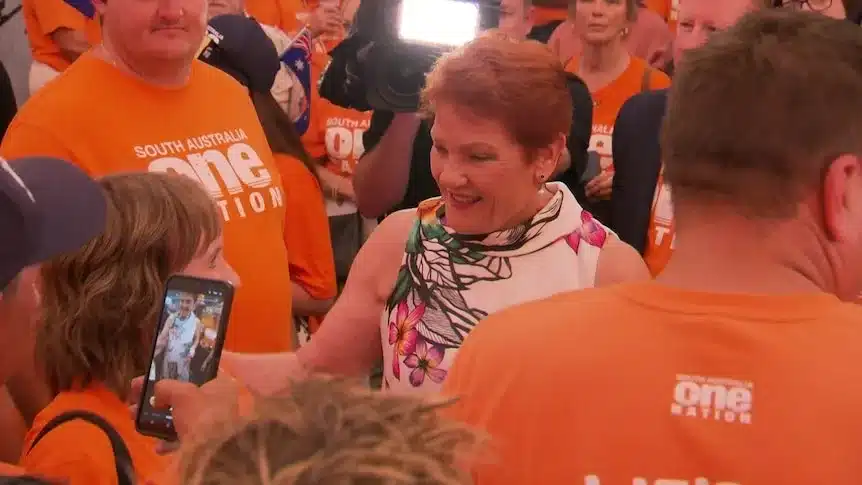
South Australia Election Delivers Shock One Nation Boom
Pauline Hanson’s One Nation party secures over 21 percent of the statewide primary vote in South Australia’s recent election, surpassing the Liberal Party and claiming second place overall. Labor achieves a resounding landslide victory, propelling Premier Peter Malinauskas into a second term with an expanded majority.
While Labor dominates headlines with its triumph, the real political shift emerges from One Nation’s dramatic resurgence, marking its strongest performance since Queensland’s 1998 state election where it garnered 22.7 percent and secured 11 seats.
Key Seat Battles and Potential Breakthroughs
Further vote counting will clarify final outcomes, but One Nation leads in crucial lower house seats like Hammond, centered on Murray Bridge, and MacKillop in the southeast. The party remains competitive in Narungga, spanning the Yorke Peninsula, and Ngadjuri, extending from Adelaide’s outer northern edges to the Clare Valley.
Victories here would represent One Nation’s first lower house wins outside Queensland. Additionally, the party positions itself to claim two or three seats in the Upper House.
Redrawing Adelaide’s Electoral Landscape
Even without lower house breakthroughs, One Nation reshapes the map profoundly. Labor sweeps nearly all Adelaide seats, yet One Nation emerges as the primary challenger to Labor across most northern and southern suburbs, eclipsing the Liberals.
In numerous electorates, Liberal primary votes plummet to single digits. Liberals hold an edge over One Nation only in inner Adelaide suburbs, while Greens trail Labor in select areas but face preference challenges.
Current tallies show One Nation poised to reach the final two in over 30 seats statewide.
National Implications and Party Stability Concerns
Once sidelined as a fringe force, One Nation now mainstreams its appeal, validating pre-election polls. This success heightens federal Coalition anxieties ahead of the Farrer by-election—sparked by Sussan Ley’s resignation—and state polls in Victoria and New South Wales.
Sustained momentum remains uncertain. Historical patterns reveal quick rises followed by internal strife, as seen in Queensland post-1998 when all 11 MPs departed by 1999. Nationally, many One Nation MPs defect before term ends, including South Australia’s MLC Sarah Game in 2025.
A potential party room of up to seven, featuring ex-senator and minor party leader Cory Bernardi, tests unity moving forward.
Major Parties Respond to Shift
Premier Malinauskas adopts a conciliatory stance on election night, praising patriotism while promoting inclusivity. Labor faces close calls in outer northern working-class areas, prompting caution against One Nation’s inroads.
The Liberal Party confronts an existential threat, with its voters defecting en masse—particularly in metro seats critical to power. Past strategies vary: Queensland’s 1998 Coalition preferred One Nation over Labor, losing the election; federally, John Howard reversed this, securing victory.
Recent Liberal tolerance toward One Nation sparks internal debate on future tactics.
